
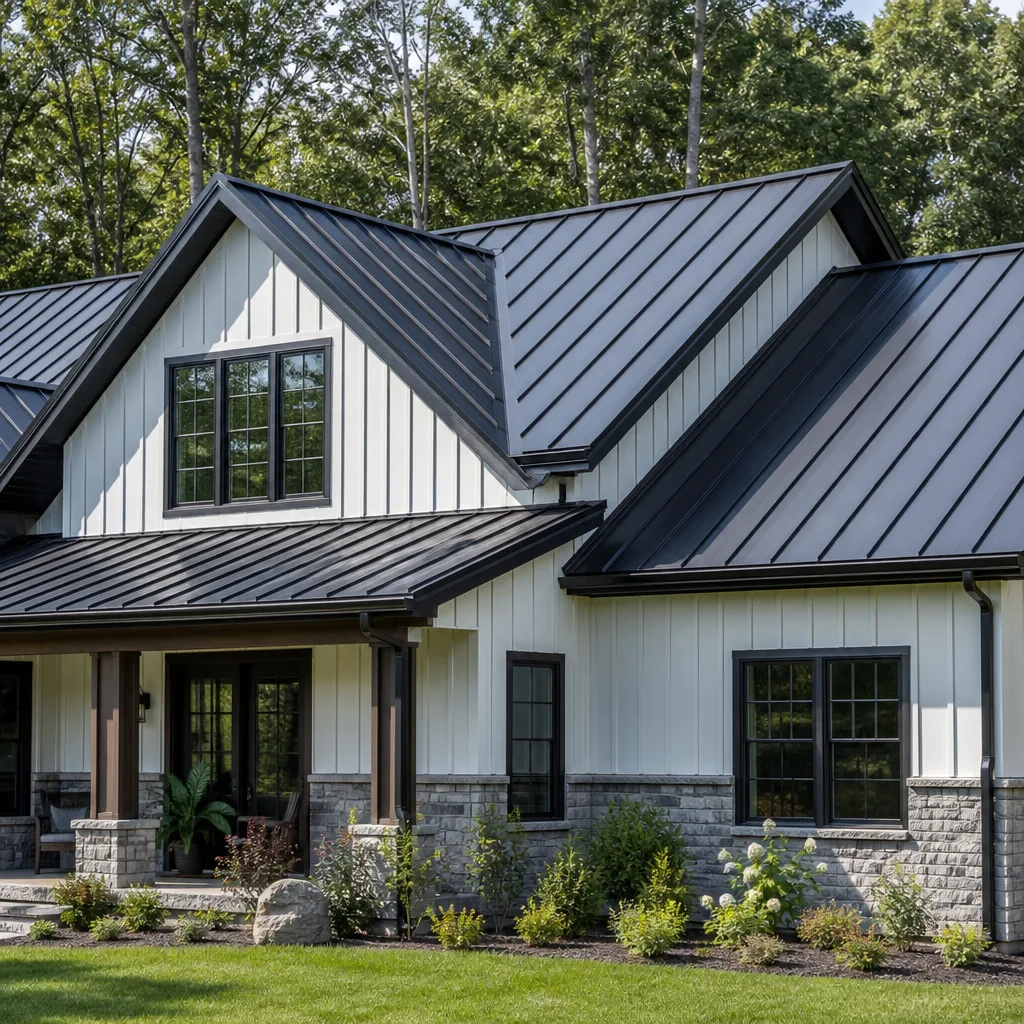
 Metal roofing
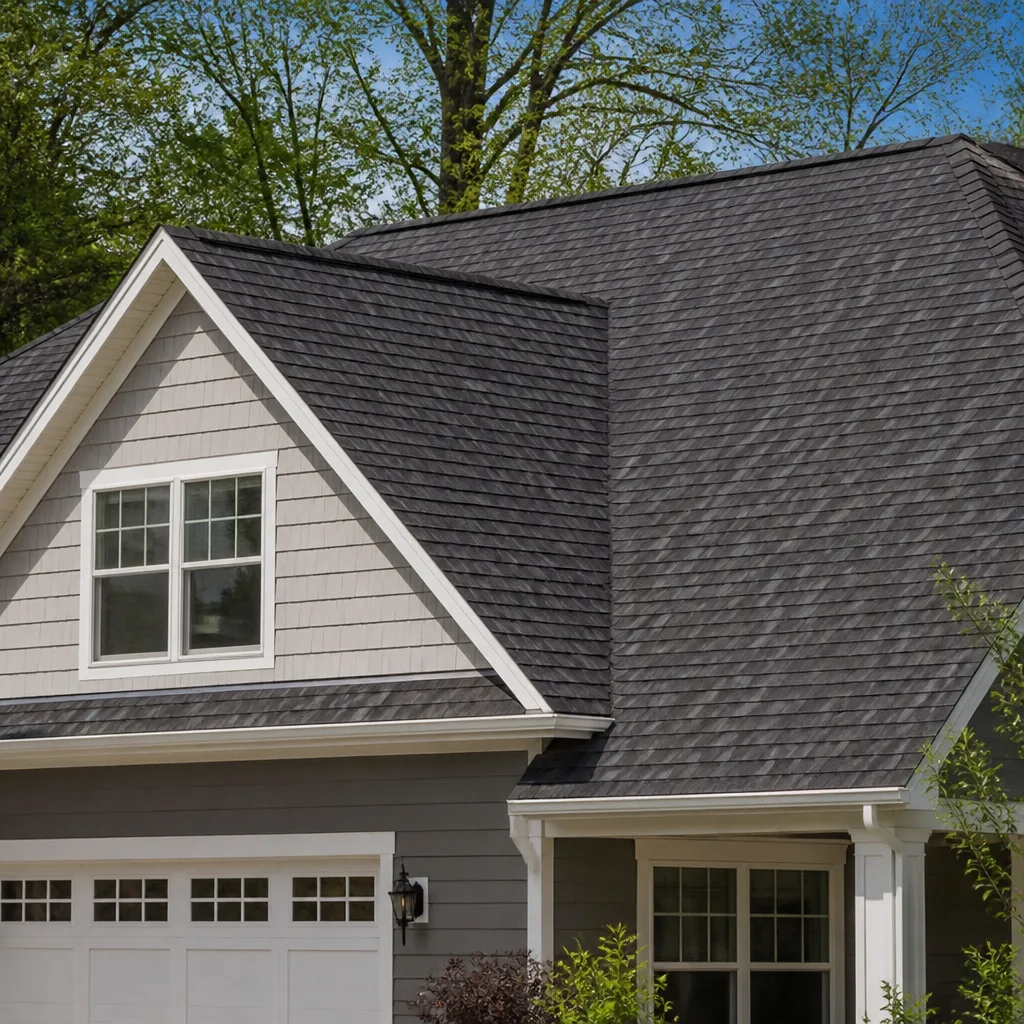 Architectural shingles
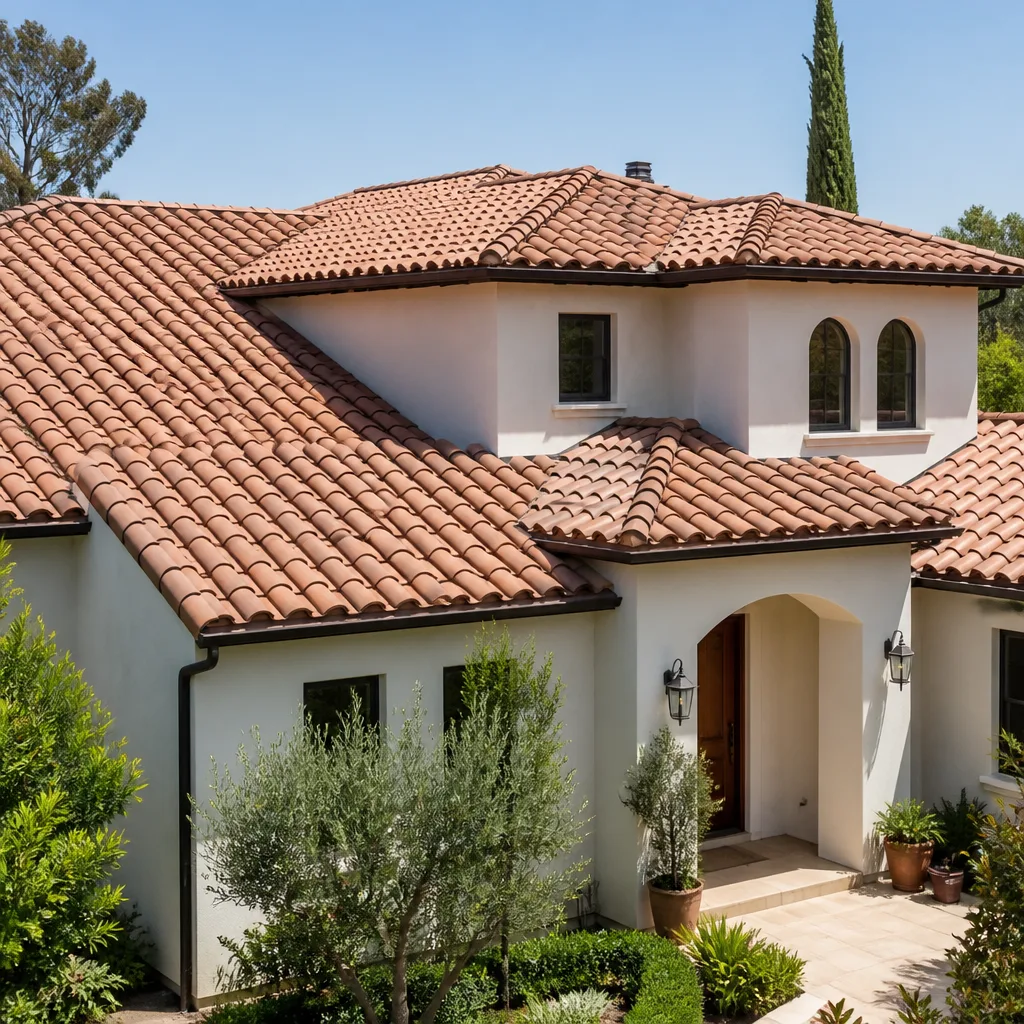 Tile roofing
 GAF
GAF Owens Corning
 Flat & low-slope
Free roof inspection with deck photos before we talk money - GAF and Owens Corning certified installation
Boral Flashing Replacement: The Miami Owner’s Guide
Boral flashing replacement in Miami typically runs $380 – $740 installed for a standard chimney, wall, or valley flashing job, and our truck usually has common Boral-compatible flashing profiles and sealants on board so we can handle most replacements the same day we diagnose the problem. Owners in Miami usually discover a failed flashing after one of our afternoon downpours, when a water stain shows up on the ceiling below a chimney, a wall intersection, or a skylight. The stain spreads fast because Miami rain doesn’t just fall; it drives sideways off the Atlantic with enough force to push water through a pinhole gap that would never leak in a drier climate.
What we see most often in Miami neighborhoods like Kendall, Coconut Grove, and Pinecrest is flashing that looked fine from the ground but had been slowly separating at the sealant line for two or three seasons of salt air and intense UV. By the time the ceiling shows it, the flashing has been failing for months.
If you’ve got a Boral tile roof and a leak near any penetration, you’re in the right place. Keep reading and we’ll show you exactly what fails, what it costs to fix, and how we make the price stick before we ever touch your roof.
Which Boral Models This Applies To
Boral flashing replacement applies to the full range of Boral roofing products installed across South Florida, including Boral tile profiles (flat, barrel, and slate-look tiles), Boral Stone coated steel panels, and the older Boral concrete tile systems that are common on Miami homes built from the late 1990s through today. The flashing itself is the metal transition piece that seals the gaps where roof planes meet vertical surfaces like chimneys, parapet walls, dormers, and vent stacks. On a Boral tile roof, the flashing doesn’t wear out because of the tile; it wears out because Miami’s sun breaks down the sealant beads and the salt air corrodes the metal over time.
The compatibility gotcha with Boral systems is this: the flashing profile has to match the tile’s rise, not just the roof’s pitch. Boral’s barrel tile has a taller profile than most flat concrete tiles, so a universal flashing skirt that works on a flat tile will leave a gap at the bottom edge of a barrel tile. If a roofer tries to bend a generic flashing to compensate, you get a hump in the metal that traps water instead of shedding it. We carry Boral-profile flashing in stepped and continuous configurations for both standard and high-profile tiles so the metal actually nests against the tile instead of fighting it.
On the OEM versus aftermarket question: Boral doesn’t sell flashing as an OEM part the way a car manufacturer sells a fender. The flashing is fabricated to match the tile profile, and reputable roofing suppliers in Miami cut and form it to spec. What matters is the metal thickness and the finish. We use 24-gauge aluminum or 26-gauge galvanized steel for most Miami replacements, with a factory-applied finish rated for coastal exposure. We’re an independent service provider, not affiliated with Boral, so we’re free to pick the best-matching flashing for the job rather than whatever a single catalog happens to stock.
Styles & brands we work with
Signs Your Boral Flashing Replacement Is Failing
- Water stains on the ceiling below a chimney or wall junction. This is the classic symptom, and it means the flashing has already separated enough for water to travel behind it. In Miami, a single strong thunderstorm can produce this stain overnight if the flashing joint has been quietly opening for a while.
- Lifted or curling sealant at the flashing edges. Miami’s combination of extreme UV and salt air breaks down standard sealants in roughly five to seven years. You’ll see the bead pulling away from the tile or the metal, with a hairline gap that catches and holds water after every rain.
- Rust staining or white corrosion powder on the metal flashing. Galvanized flashing in coastal Miami air can start showing rust bloom in as little as eight years if it wasn’t properly primed at the cut edges. Once the zinc coating is gone, the steel underneath goes fast.
- Granules or small tile fragments collecting in the gutter below a flashing point. When wind-driven rain gets behind flashing on a Miami tile roof, it loosens the tile’s surface over time. Granule loss is an early warning that water is moving where it shouldn’t be.
- Daylight visible through the flashing joint when you look up from the attic. On homes with exposed rafter attics, get up there with a flashlight during the day. If you can see light through any point where the roof meets a wall or chimney, water is getting through that same opening.
See the difference
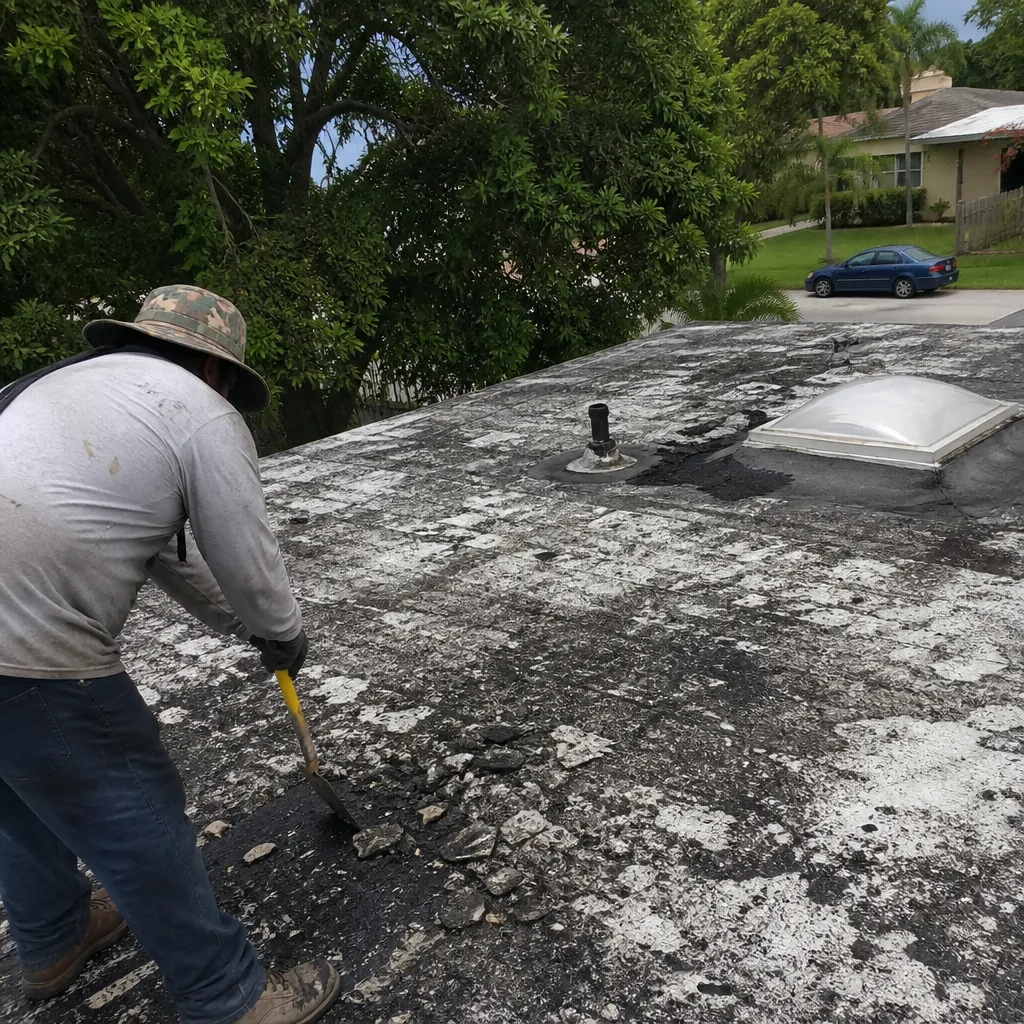 Before
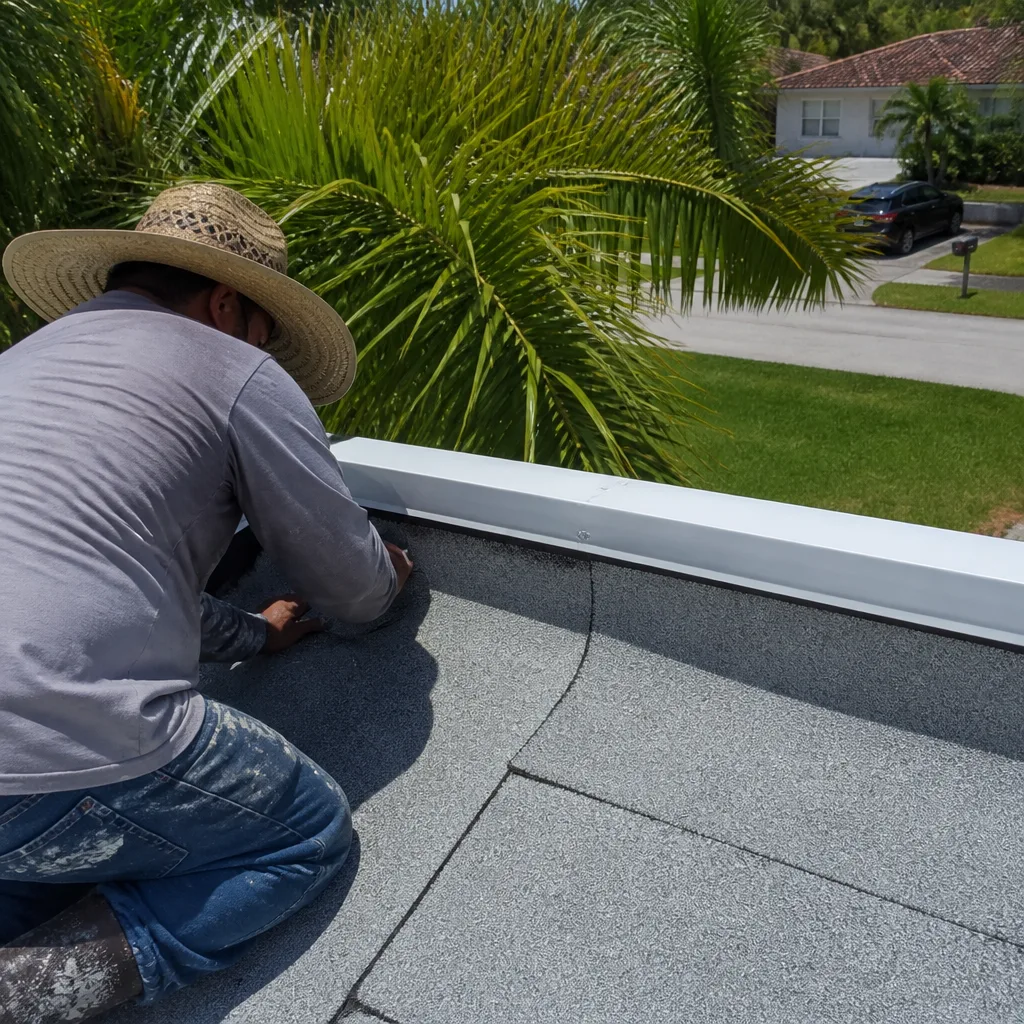 After
After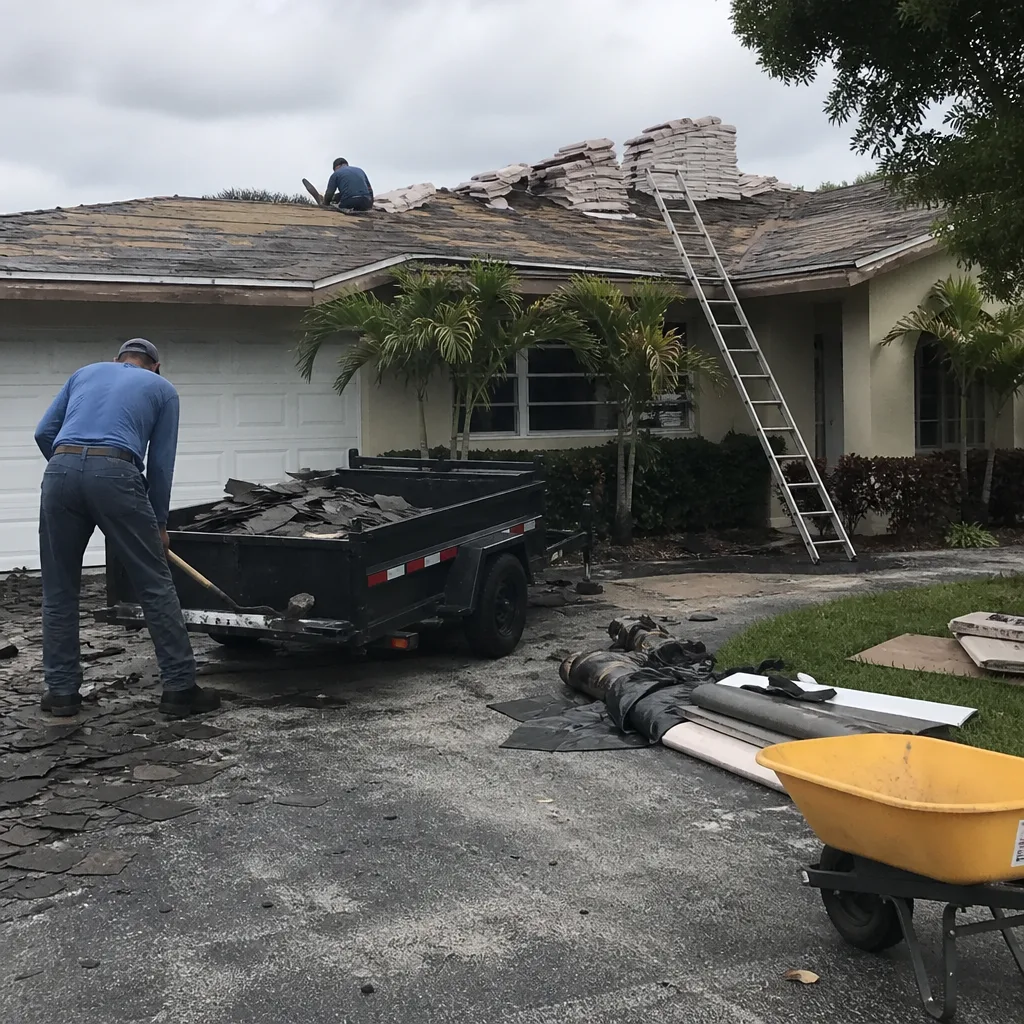 Before
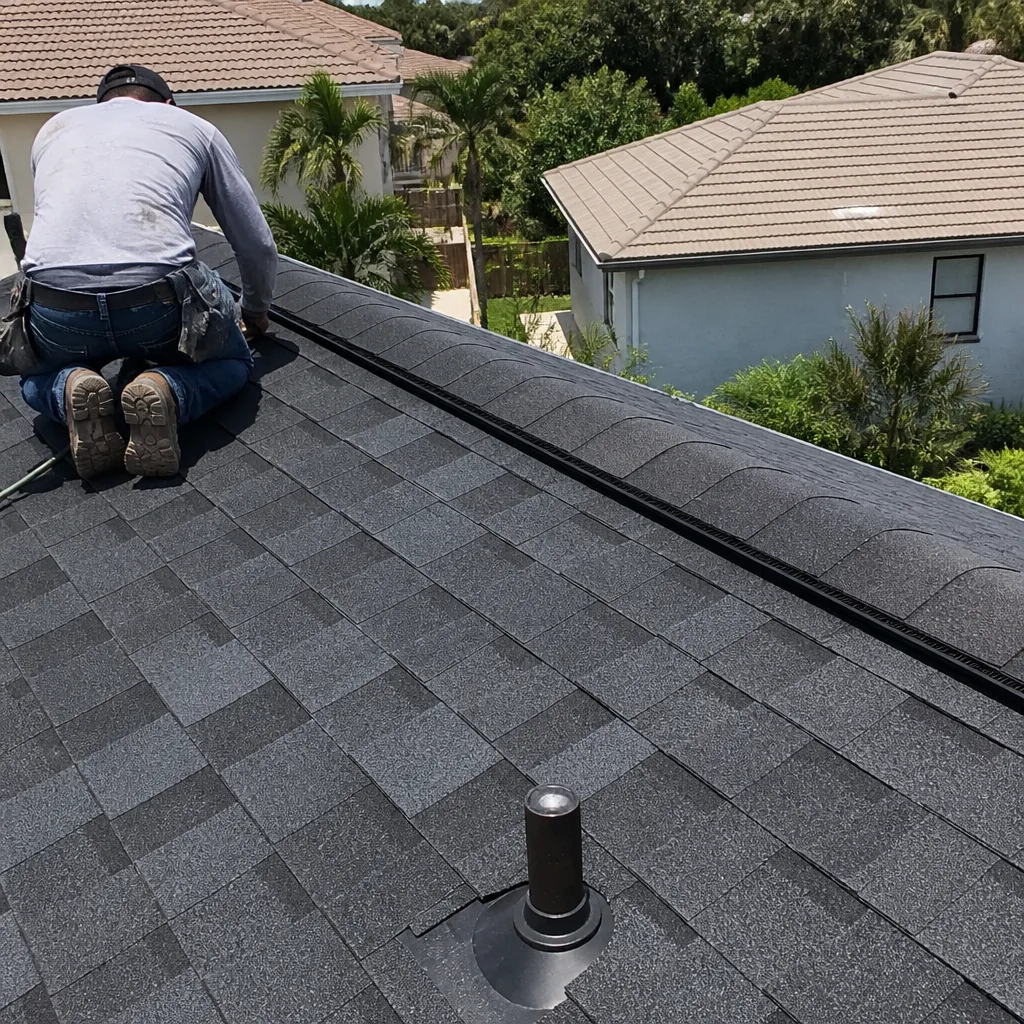 After
After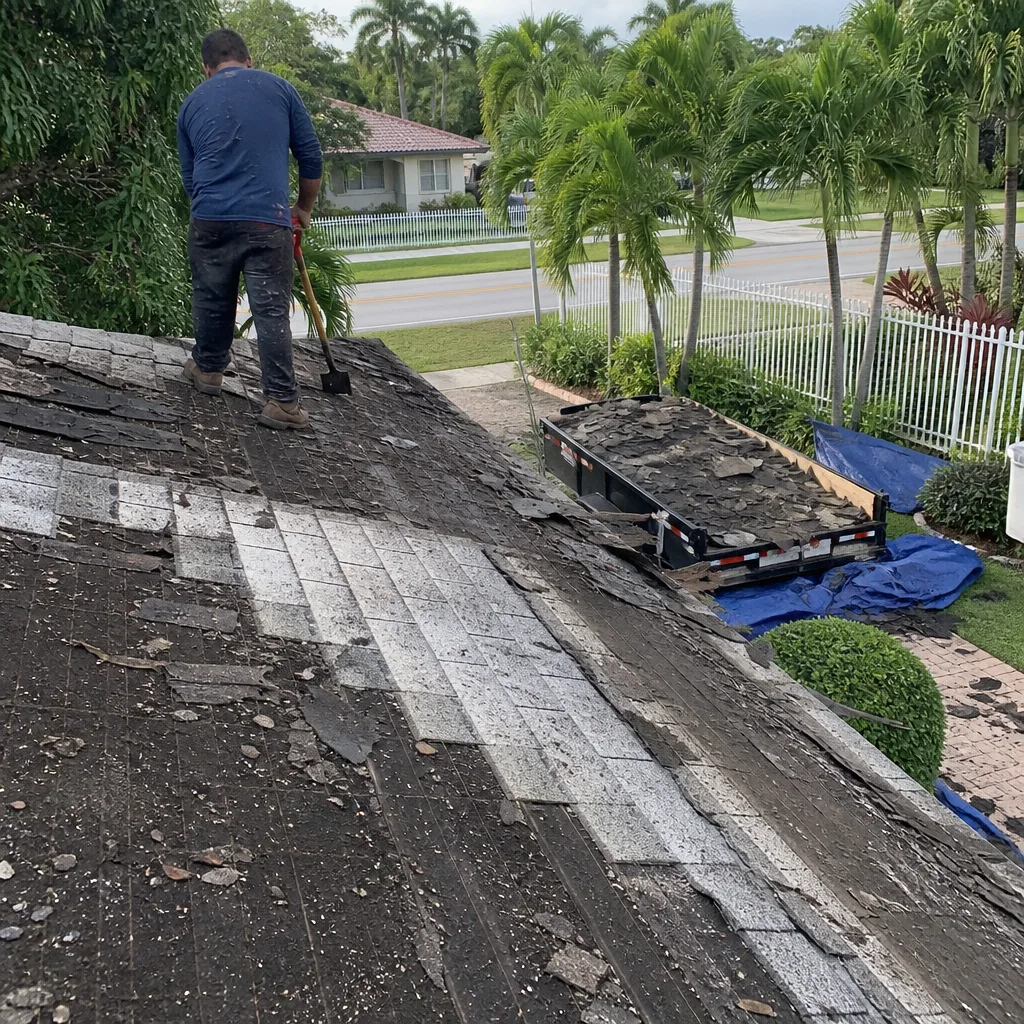 Before
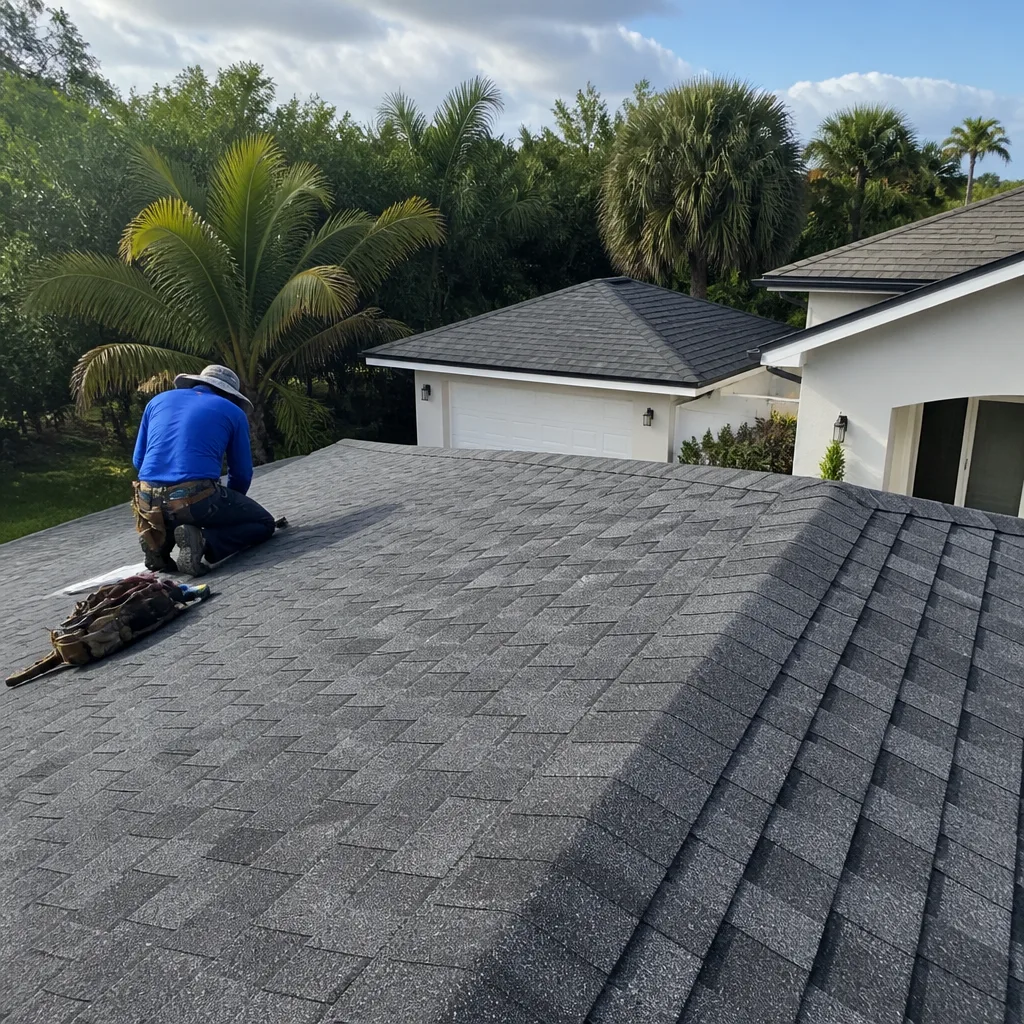 After
AfterReplacement Cost & What’s Included
Boral flashing replacement in Miami typically runs $380 – $740 installed for a single penetration like a chimney or vent stack. A full wall-to-roof flashing run along a dormer or an upper story step wall runs $900 – $1,600 depending on the linear footage and how much tile has to be lifted and reset to reach the flashing beneath. The main cost drivers are access (two-story homes and steep pitches cost more), the condition of the existing underlayment at the joint, and how many tiles need to be removed and reset.
Here’s how the math breaks down on a typical Miami single-chimney replacement:
- Flashing material (Boral-profile, 24-gauge aluminum or 26-gauge galvanized): $60 – $140
- Labor (remove, cut/fit, seal, reset tiles, cleanup): $220 – $450
- Sealant, fasteners, and minor wood repair at the joint: $40 – $90
- Disposal and job site protection: $30 – $60
Every quote we give is a written line-item price before any work starts, and the number on the page is the number on the invoice. No change orders, no “we found more once we opened it up” phone calls. If we do find hidden damage when we lift the tile, we send you photos and a written addendum price before we touch anything else. The flashing work itself is covered by our 365-Day Done Right Promise: if the replacement fails within a year, we come back and fix it at no charge.
DIY or Call Us?
We’ll be straight with you: flashing replacement on a Boral tile roof is not a Saturday DIY job. It’s not just that the tile is heavy and the roof is steep. The risk is that a small mistake at the flashing joint, a missed sealant bead, a tile set back slightly out of plane, will look perfect from the ground and leak within a month. On a Miami roof that gets eighty inches of rain a year, a flashing error doesn’t get caught in testing; it gets caught when your ceiling is dripping at 4:00 PM on a July afternoon.
What you can safely do is the detective work: check the attic for daylight, note exactly where the ceiling stain lines up with the roof above, and take photos of any visible flashing from a safe position on the ground or from a window. That speeds up our diagnosis and keeps the labor cost down. Beyond that, flashing repair means working at height on a tile roof, and that’s a job for a roofer with the right training and equipment. Call (850) 318-3769 and we’ll get someone out to look, quote a firm written price, and tell you honestly whether it’s a simple replacement or something more involved.
FAQs
In Miami’s coastal climate, standard galvanized flashing typically lasts 8 to 12 years before the salt air and UV start winning, while 24-gauge aluminum flashing and higher-grade coated steel can last 20 years or more. The sealant beads at the flashing edges fail faster, usually within five to seven years, which is why regular roof checkups catch problems before leaks reach the ceiling. Call (850) 318-3769 to have your flashing inspected and get a straight answer on what needs replacing now versus what can wait.
Sometimes, yes, when the metal is still sound and only the sealant has pulled away, a full remove-and-reseal can buy you several more years from the existing flashing. If the metal has rusted through, cracked at a bend point, or separated along a lap joint, replacement is the only repair that will hold. We’ll tell you which one you need after we see it, and the written quote will say exactly what we’re doing and why.
A standard chimney or vent flashing replacement on a Boral roof usually takes one crew visit of three to five hours, depending on how many tiles need to be lifted and access to the roof. Wall flashing runs and more complex penetrations may take a full day. We’ll give you a straight time window on the written quote, and you’ll get a live trackable arrival time so you’re not waiting around on a four-hour guess.
We stock common Boral-profile flashing profiles, sealants, and fasteners on our trucks, so most Miami replacements happen same-day or next-day. If your specific profile or finish needs to be cut to order from a local Miami supplier, we’ll tell you that before you approve anything and include the exact lead time in your written quote. Call (850) 318-3769 to confirm what’s on the truck for your Boral tile profile.
Every promise in writing – because a roof shouldn’t come with fine print.
Written by Dylan Pace, Owner, Crestview Roofing Co Miami at Crestview Roofing Co Miami, serving Miami and nearby areas.