
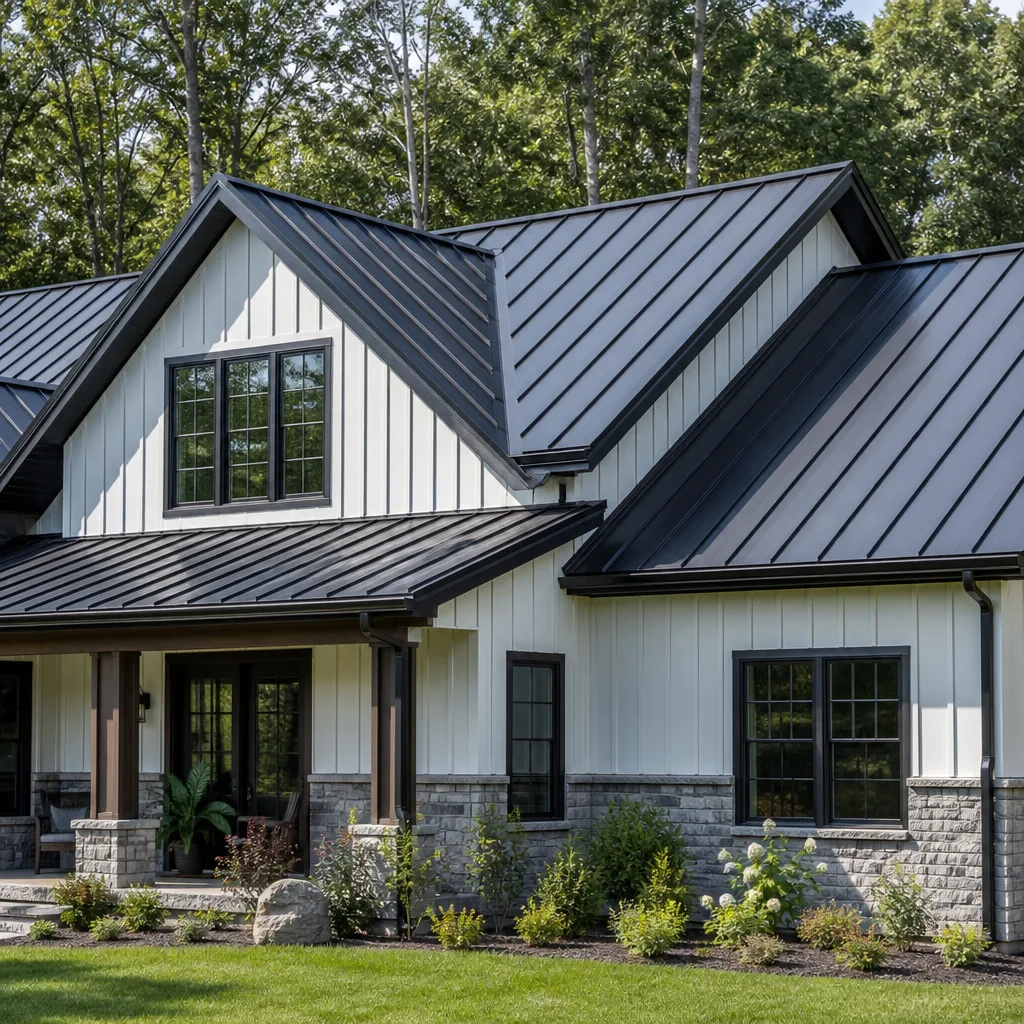
 Metal roofing
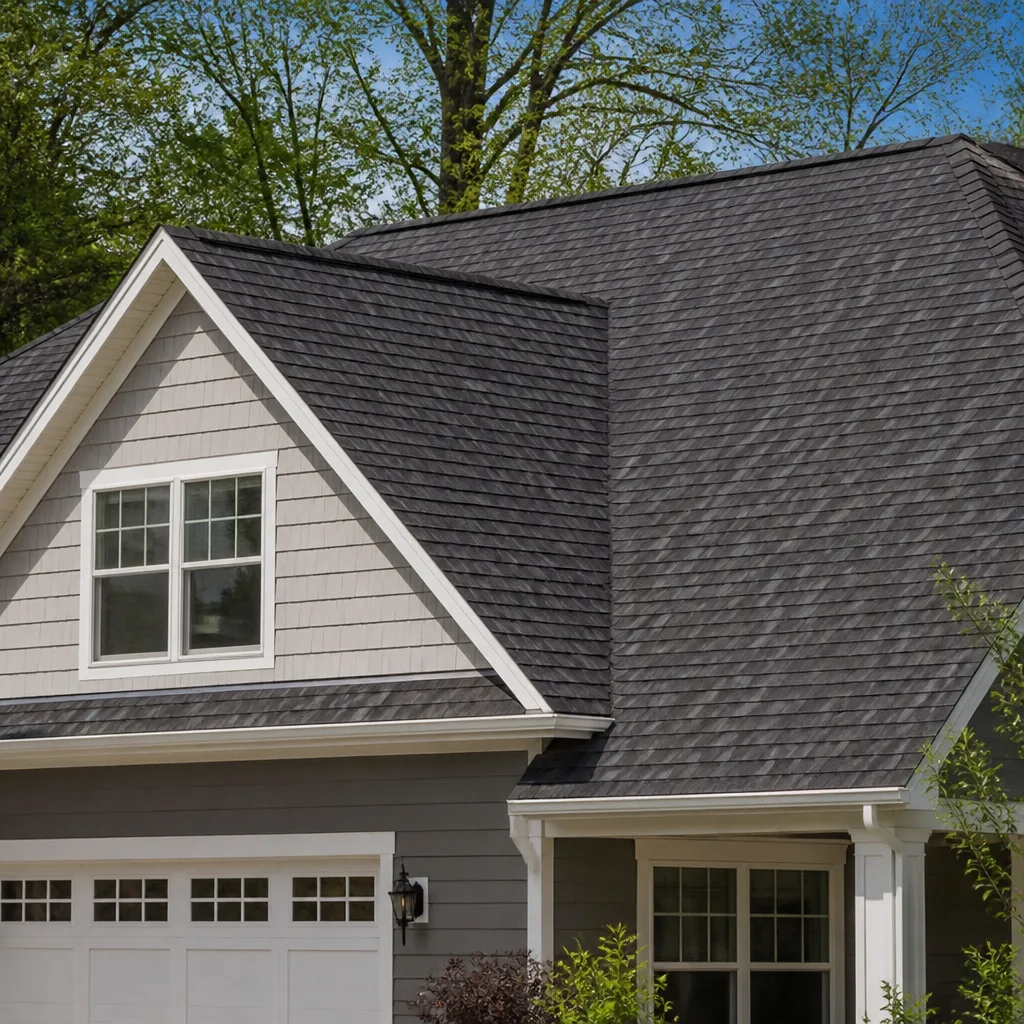 Architectural shingles
 Tile roofing
 GAF
GAF Owens Corning
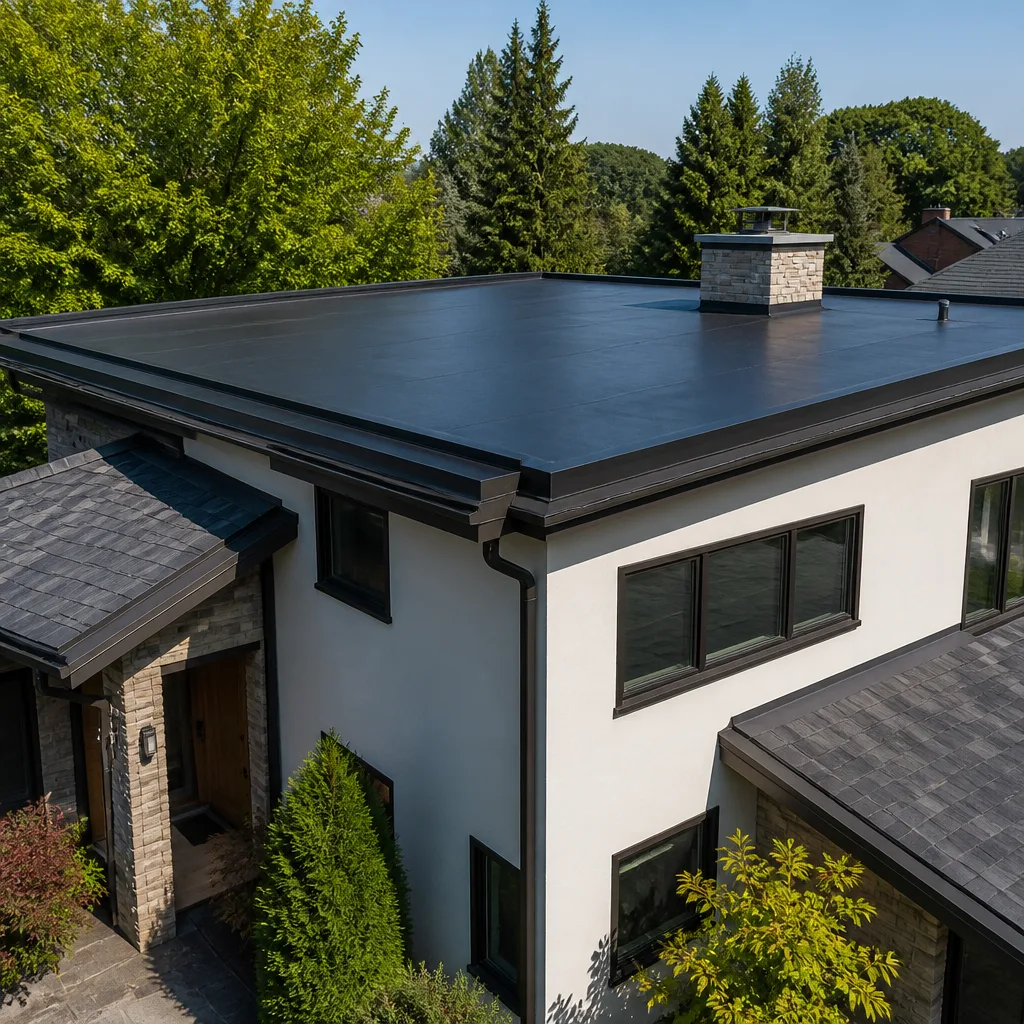 Flat & low-slope
Free roof inspection with deck photos before we talk money - GAF and Owens Corning certified installation
Tamko Flashing Replacement: The Miami Owner’s Guide
We stock and install Tamko-compatible flashing replacement across Miami, with most standard flashing jobs running between $350 and $900 installed depending on location, accessibility, and how many pieces need replacing. The flashing itself is a relatively small line item. What you’re really paying for is safe access to the roof, proper removal of the old material, correct installation with the right sealants, and someone who knows what a South Florida wind-driven rain event actually does to a seam. Most flashing failures show up as a brown ceiling stain or peeling paint around a chimney, skylight, or wall intersection. You notice it weeks or months after the flashing actually gave up. Water works slow until it doesn’t.
Flashing is the metal transition material that seals the joints where your roof meets something vertical: chimneys, vent pipes, dormers, sidewalls, skylights. On a Tamko roof it’s doing the same job as any other brand, but the specifics matter when you’re matching materials and warranties. Miami’s afternoon thunderstorms and hurricane-season wind-driven rain turn a pinhole in flashing into a ceiling stain faster than almost anywhere else in the country. Water here doesn’t just drip. It gets pushed sideways at 60 miles an hour during a summer storm front.
Which Tamko Models This Applies To
Tamko’s architectural shingle lines, Heritage and its performance variants like Heritage Premium and Heritage Vintage, are the most common systems we see in Miami. We also work on Tamko’s Lamarite slate and shake composite lines, plus the Elite Glass-Seal and Titan XT series. The flashing replacement itself is largely series-independent. What changes between models is the shingle thickness, exposure, and sometimes the color profile, which affects how the flashing step pattern needs to seat against the shingle edge.
Two things matter when matching flashing to a Tamko roof. First, the step flashing on sidewalls and chimneys should be 4-inch by 4-inch by 8-inch minimum for most architectural shingle courses, but thicker shingle profiles like Heritage Vintage sometimes need a taller step height to seat cleanly under the next course. Second, Miami code requires a minimum 2-inch headwall overlap on vertical surfaces, and we routinely exceed that because a 1.5-inch flashing lip looks fine in a showroom and leaks in a real storm. A third point most homeowners don’t realize: Tamko’s shade variation between production lots means patching a small section of flashing-adjacent shingles rarely blends perfectly. If the repair touches visible shingles near the flashing, that’s exactly when having the original shingle bundle code helps. We’ll match it when we can, and tell you honestly when we can’t.
We’re an independent Miami roofing contractor. We install Tamko flashing-compatible materials but Crestview Roofing Co Miami is not affiliated with Tamko Building Products. Our techs also stock flashing and matching components from GAF, Owens Corning, and CertainTeed, so if your roof is a different brand under the same Miami sun, we can usually handle it the same week.
Styles & brands we work with
Signs Your Tamko Flashing Replacement Is Failing
- Water staining on interior ceilings or upper wall corners. This is the most common first call. By the time you see a stain, the flashing has been admitting water for a while. The stain usually maps back to a roof-wall intersection or chimney chase.
- Lifted or curled flashing edges visible from the ground. Miami’s sun cycles metal fast. Galvanized and aluminum flashing can warp or pull away from the wall after years of extreme heat expansion, and once the sealant behind it hardens and cracks, water has a channel.
- Granule buildup in gutters near a chimney or wall. Flashing failure often causes the adjacent shingle edges to degrade faster than the rest of the roof. If one corner of your roof is shedding granules noticeably faster, that’s a flashing leak keeping the underlayment wet.
- Peeling exterior paint or efflorescence on brick near the roofline. That white chalky mineral deposit on a chimney or parged wall is water wicking through the intersection. The flashing is the usual suspect.
- Caulk or tar patches that are cracked and separated. A previous owner’s attempted flashing fix with a caulk gun over a failing transition. That material fails in Miami’s UV within two to three years and honestly was never the right fix.
See the difference
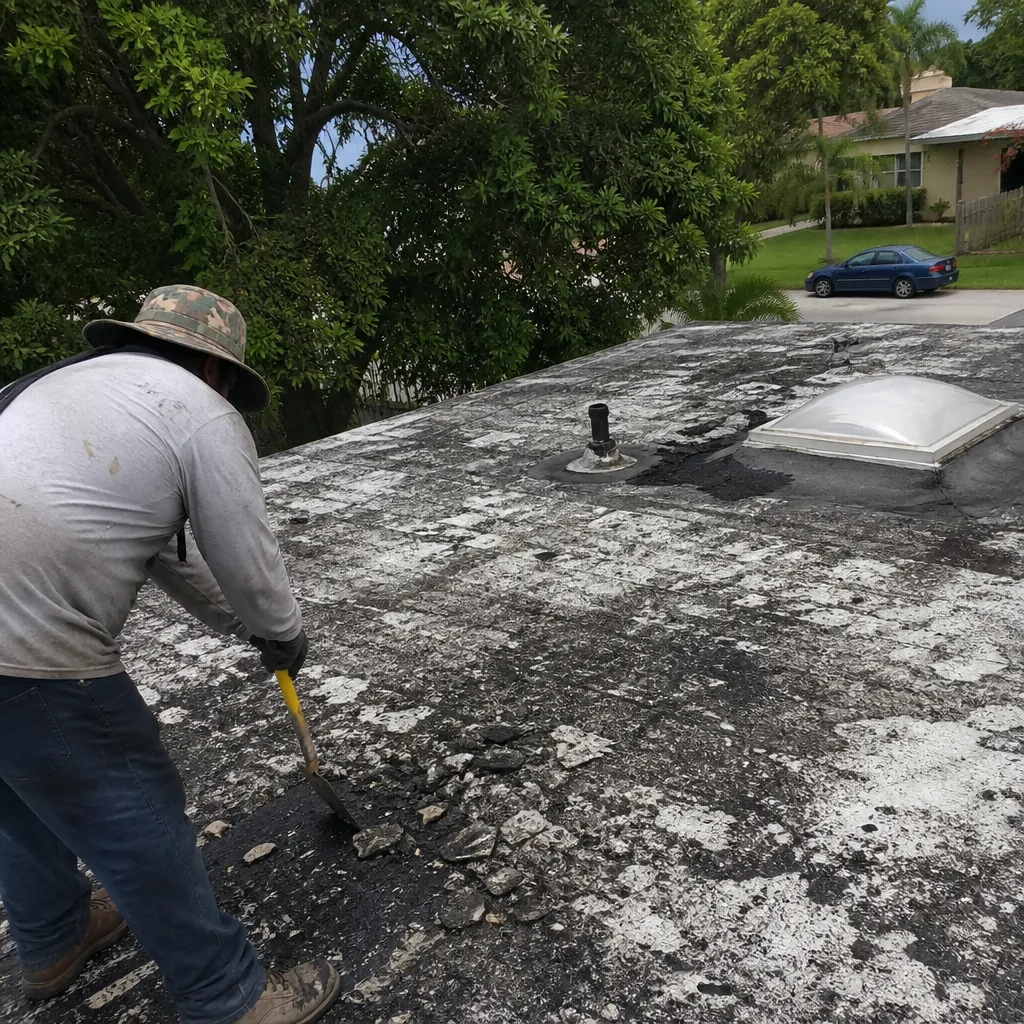 Before
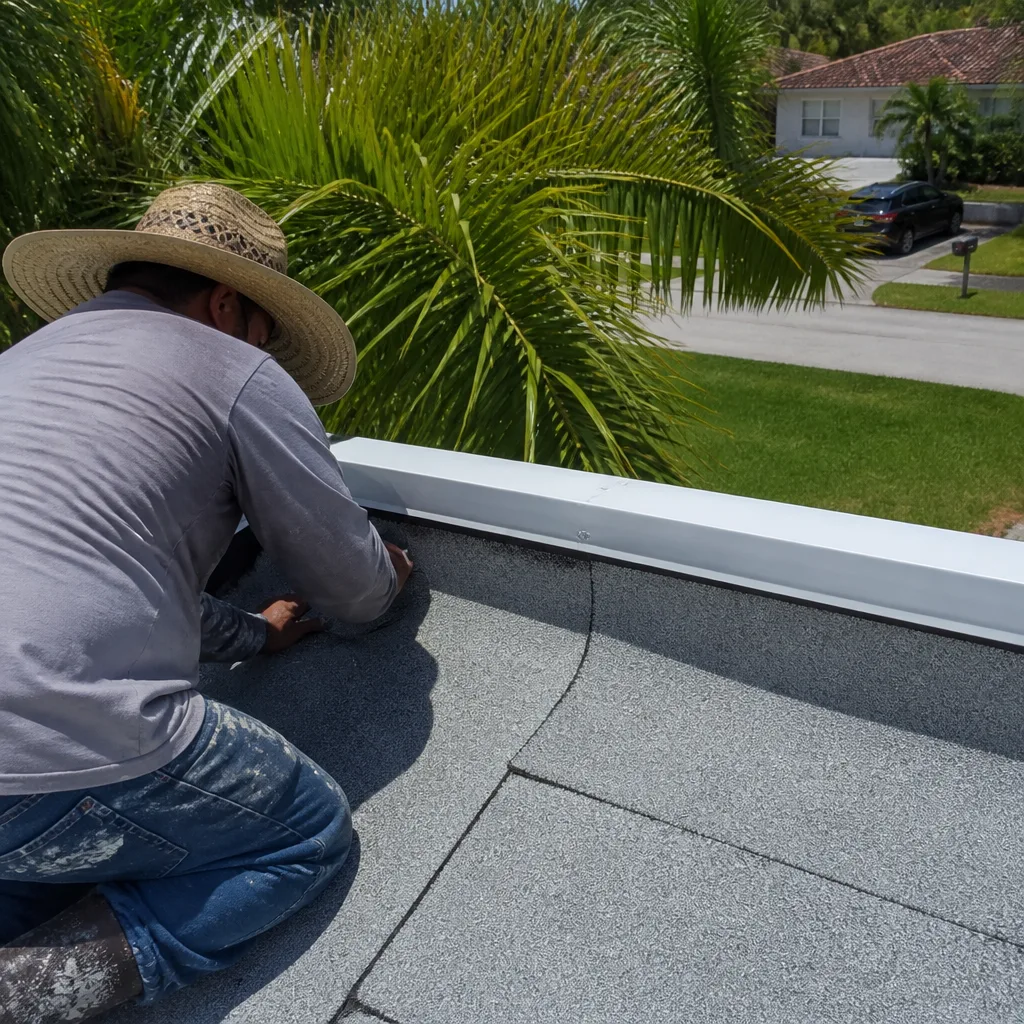 After
After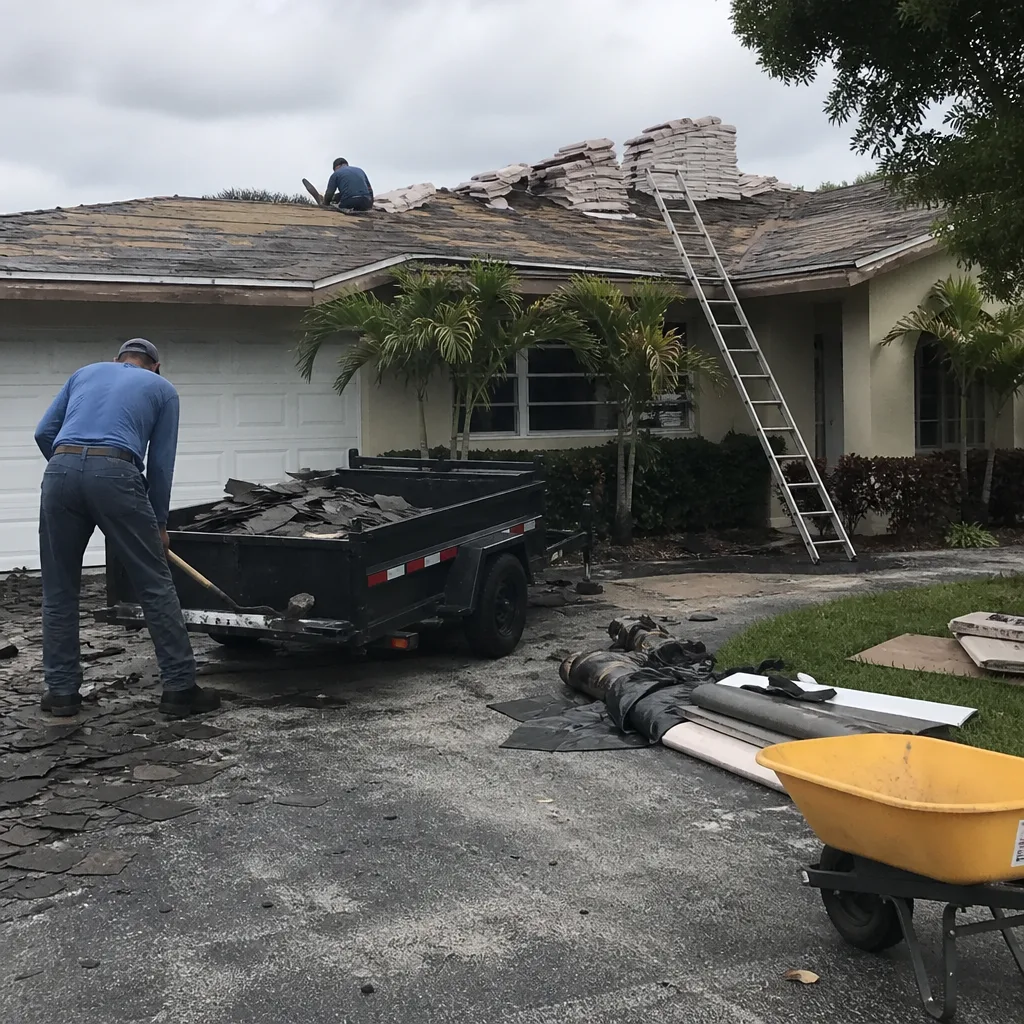 Before
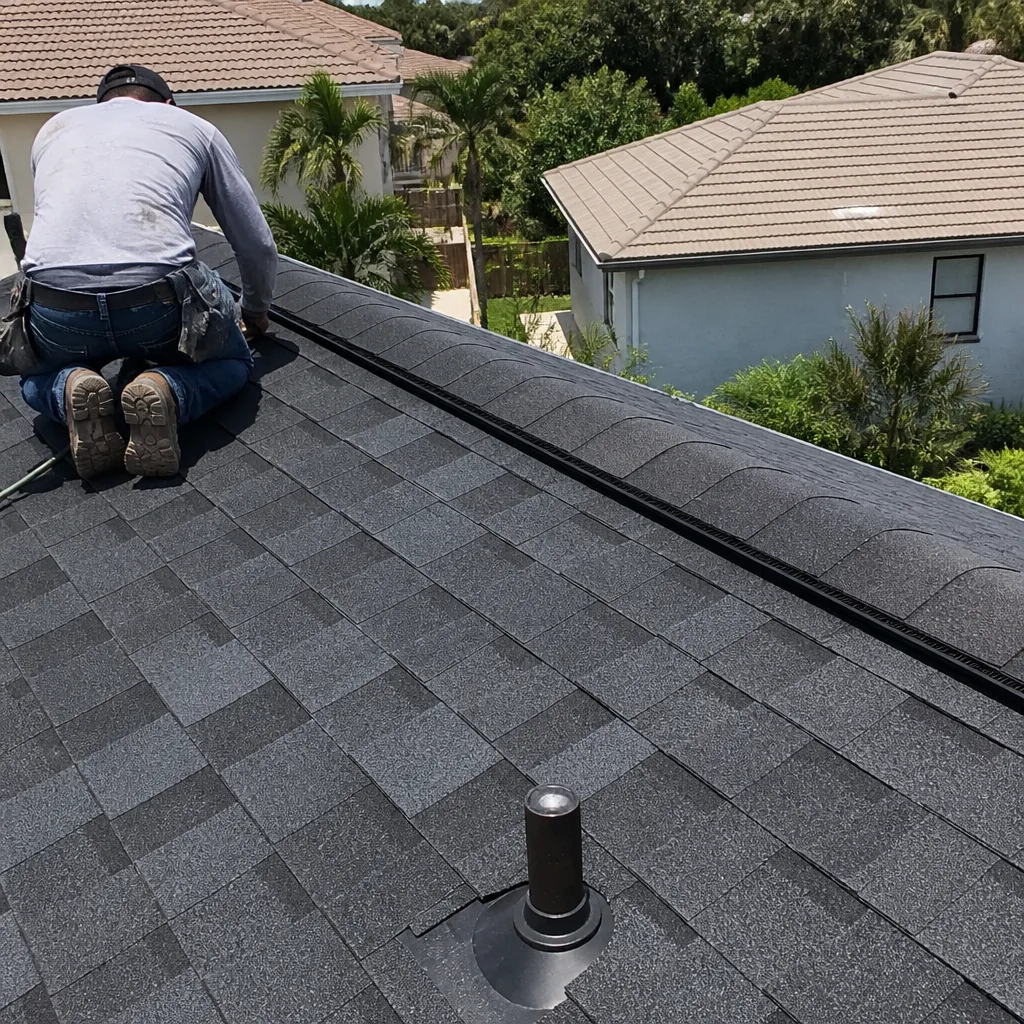 After
After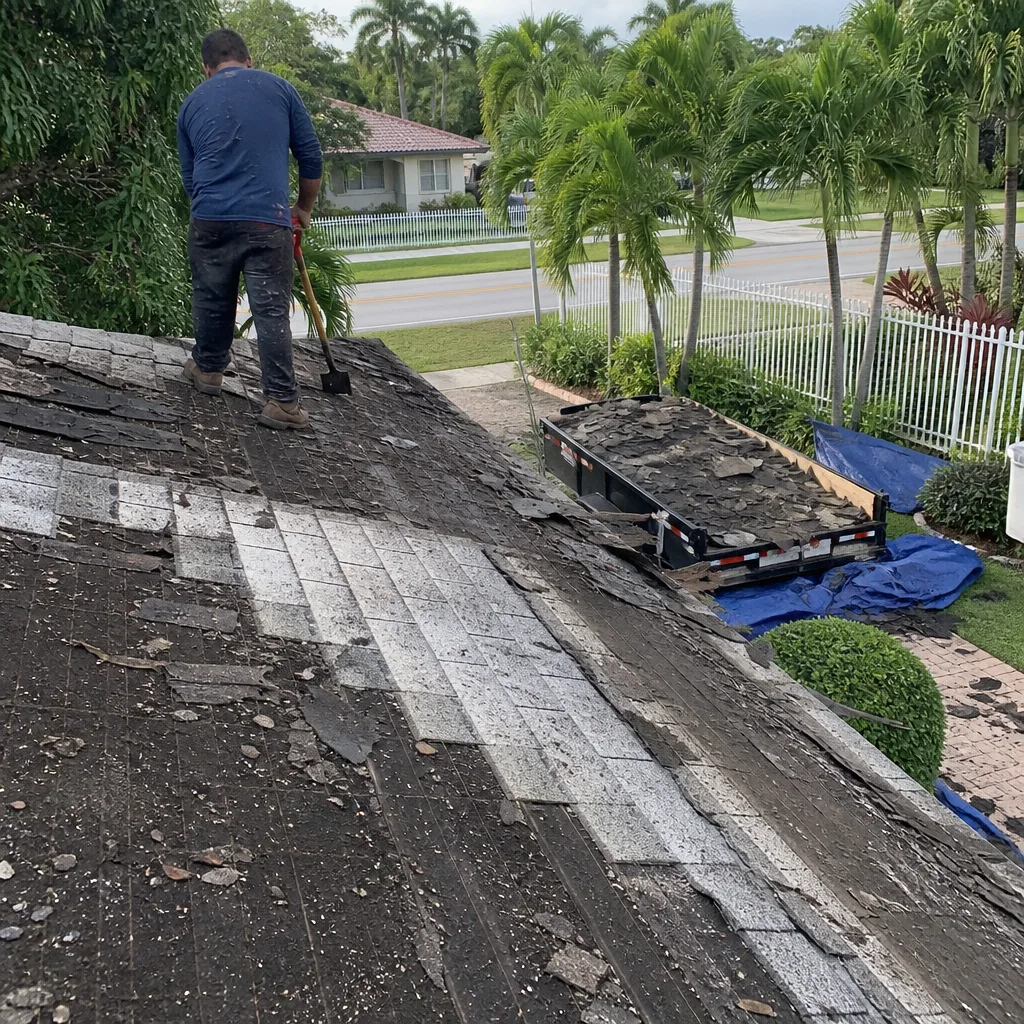 Before
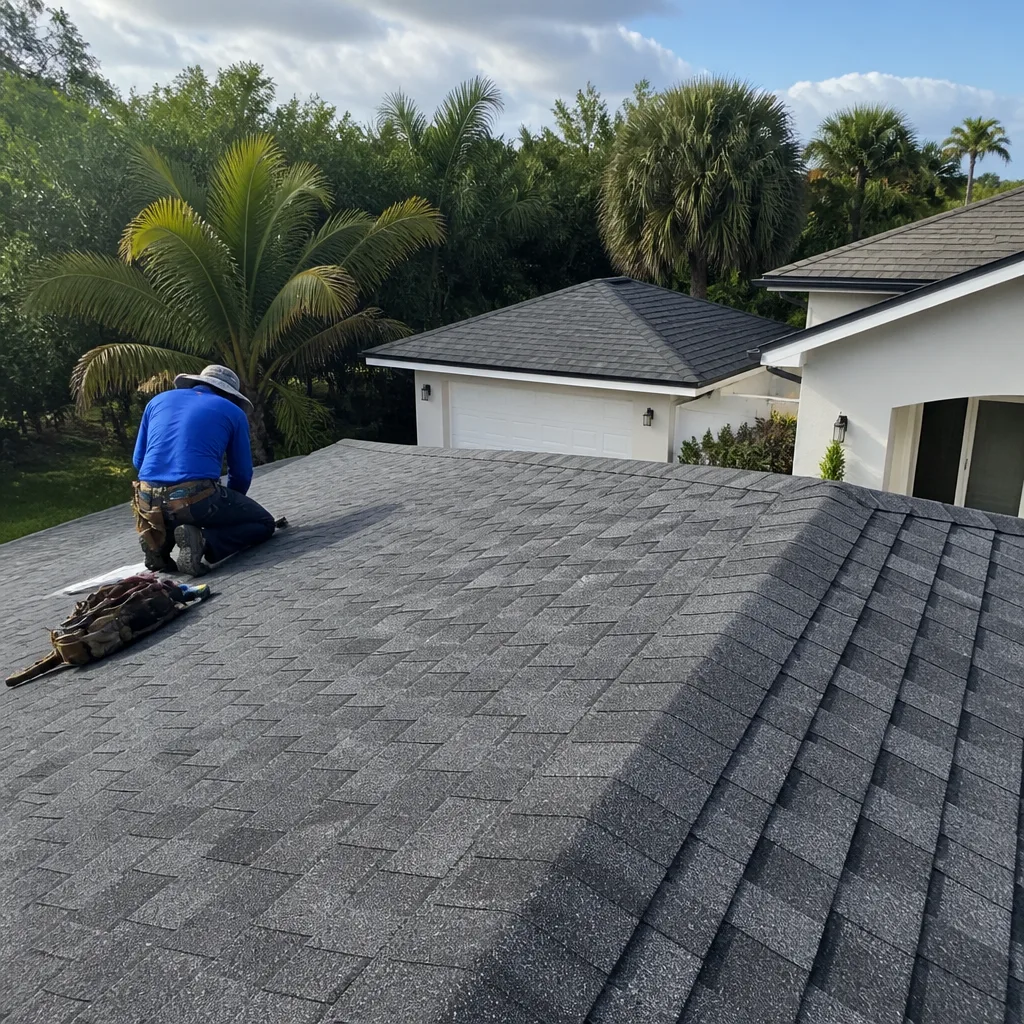 After
AfterReplacement Cost & What’s Included
For most Miami homes, a single chimney or sidewall flashing replacement runs $350 to $750 installed. A full skylight re-flashing with new curb flashing runs $600 to $1,100. A complete re-flash of all roof penetrations on a 1,800-square-foot home typically lands between $900 and $1,800. What drives the range: roof pitch and height, how many penetration points need work, whether the old flashing was soldered copper (much more labor to remove and refit), and whether the surrounding shingles are salvageable or need replacement around the repair zone.
| Flashing Job | Typical Miami Installed Price |
|---|---|
| Single pipe boot replacement | $180 – $350 |
| Chimney step and counter flashing | $450 – $850 |
| Sidewall / headwall flashing section | $350 – $750 |
| Skylight curb re-flash | $600 – $1,100 |
| Complete penetration re-flash (typical Miami home) | $900 – $1,800 |
Every quote is written before any work starts. The number on the page is the number on the invoice, and that’s a promise we put in writing. The 365-Day Done Right Promise covers every flashing repair for a full year. If that flashing leaks within 365 days, we come back and correct it at no charge. Free second visit, no negotiation, no runaround. We also document every job with before-and-after photos sent to your phone, so you see exactly what was replaced and why.
DIY or Call Us?
This is not a spring under tension or a live electrical panel, but flashing replacement is still the most common DIY repair we re-do. The part itself looks simple. What goes wrong is access. Miami roofs are steep, clay tile and concrete tile roofs are brittle, and the roof profile that makes a colonial look good also makes it genuinely dangerous to work on without proper fall protection. And the failure mode that brings us out after a DIY flashing attempt isn’t usually the metal. It’s the sealant. Owners buy the right flashing and the wrong sealant, or they use the right sealant on a wet surface, or they don’t integrate the step flashing into the shingle course pattern correctly.
What you can safely do yourself: check your roof from the ground, look for lifted flashing edges, and call us if you see anything that doesn’t look tight. You can also check your attic after a heavy storm for wet spots or discoloration on the decking. Beyond that, get someone on the roof who does this for a living. It’s not an ego call, it’s just that the cost of one wrong step on a two-story Miami roof dwarfs the cost of the repair. Call us at (850) 318-3769 and we’ll put you on the schedule.
FAQs
Plan on 15 to 20 years for standard galvanized or aluminum flashing on a Miami roof, but the sealant joints typically need attention every 8 to 12 years. Miami’s combination of intense UV, salt air near the coast, and thermal cycling means the sealant fails before the metal does. Inland areas like Westchester or Kendall fare slightly better than Brickell or Coconut Grove, where salt accelerates metal corrosion at the exposed edges. Call (850) 318-3769 if your flashing is over 10 years old and you haven’t had it inspected.
Sometimes, and we’ll tell you honestly when a sealant touch-up will buy you a few years. But most Miami flashing failures are past that point by the time they’re visible. If the metal is bent, torn, or corroded through at the fasteners, patching just moves the leak. The correct fix is section replacement with new step flashing and the right polyurethane sealant. Call (850) 318-3769 for an honest read on yours.
Most single-point flashing replacements take 2 to 4 hours on site plus about 30 minutes for cleanup and photo documentation. A full re-flash of all penetrations on a house typically runs a full day. You’ll get a photo summary before we leave and a digital invoice by text, so there’s no mystery about what was done.
We stock standard step flashing, pipe boots, and counter flashing in common sizes and finishes on our trucks, and we keep Tamko-compatible color match profiles in our Miami inventory for the shingle lines we service most. If your match is a less common Tamko color, we order it locally and are typically on site within the same week. Call (850) 318-3769 and we can confirm stock for your specific Tamko profile before you schedule.
Written by Dylan Pace, Owner, Crestview Roofing Co Miami at Crestview Roofing Co Miami, serving Miami and nearby areas.