
Last updated October 17, 2026
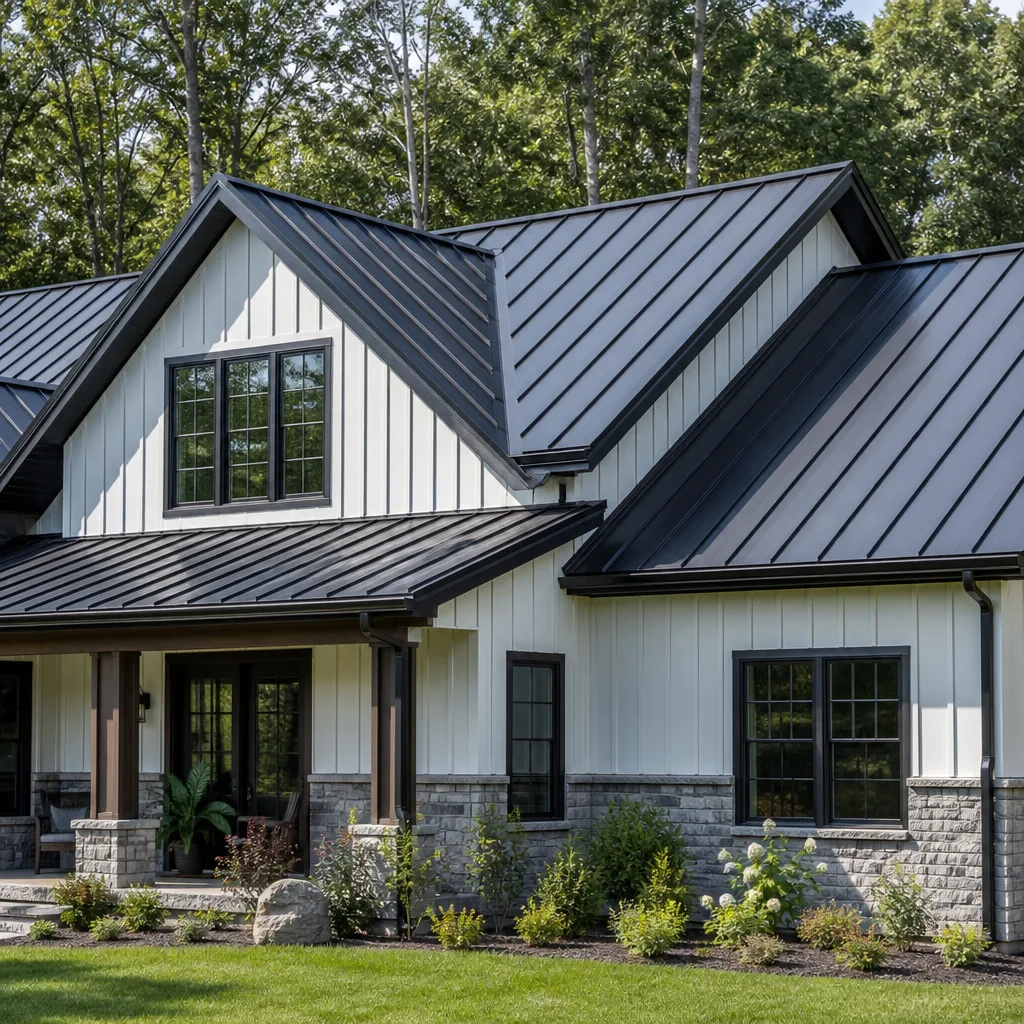 Metal roofing
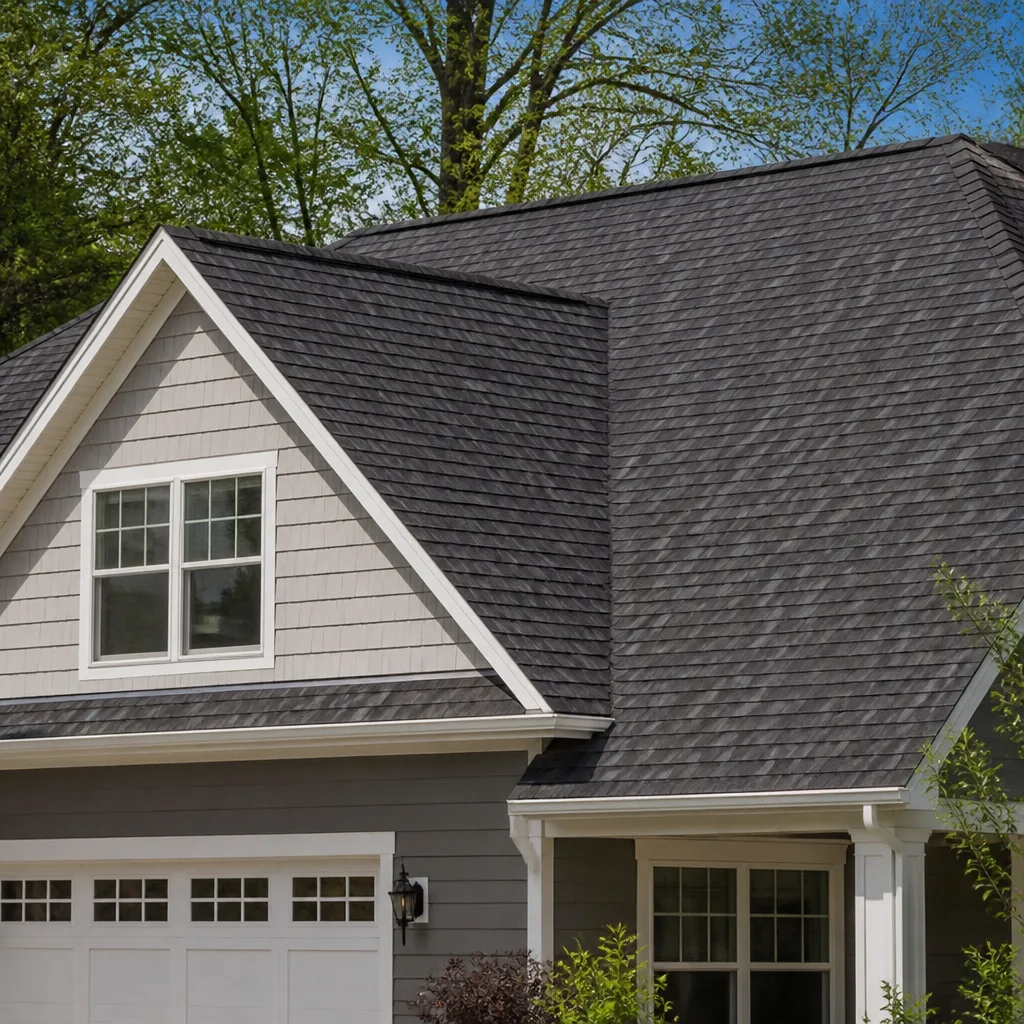 Architectural shingles
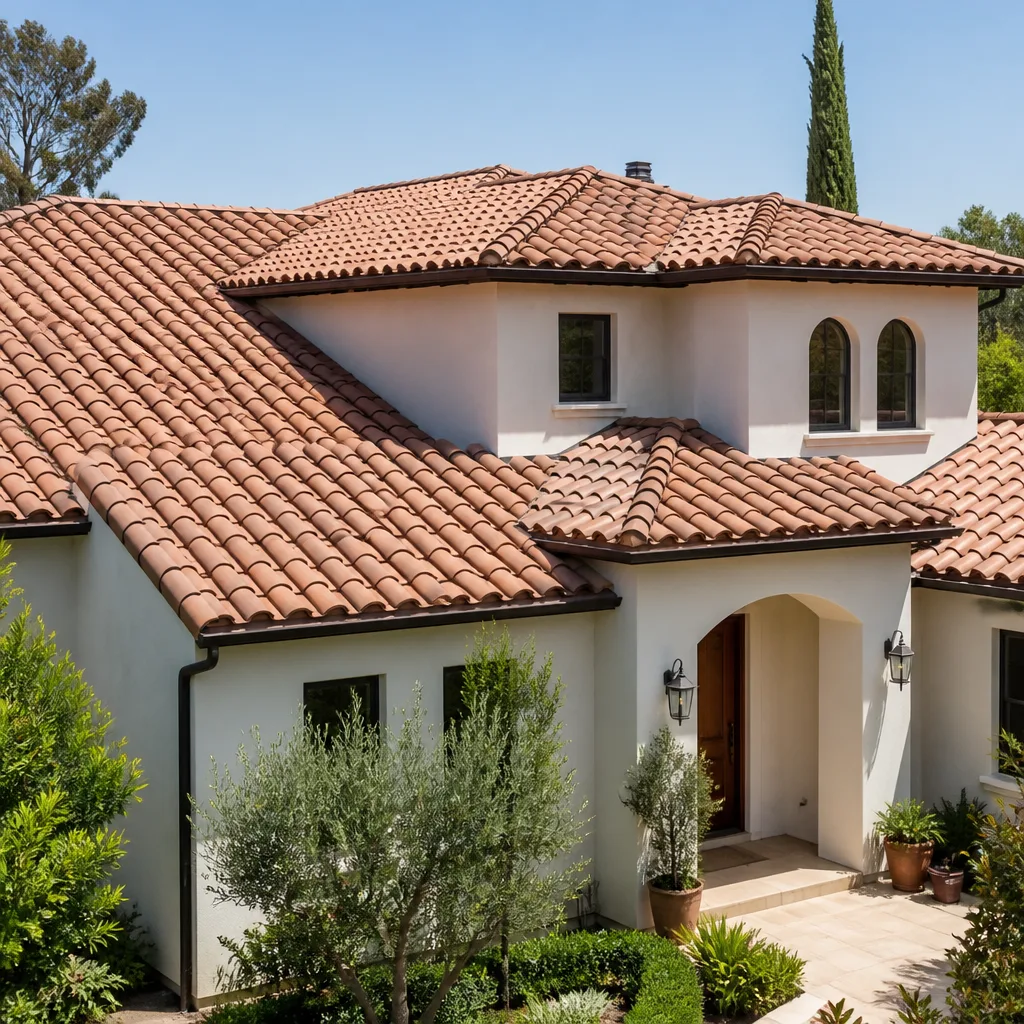 Tile roofing
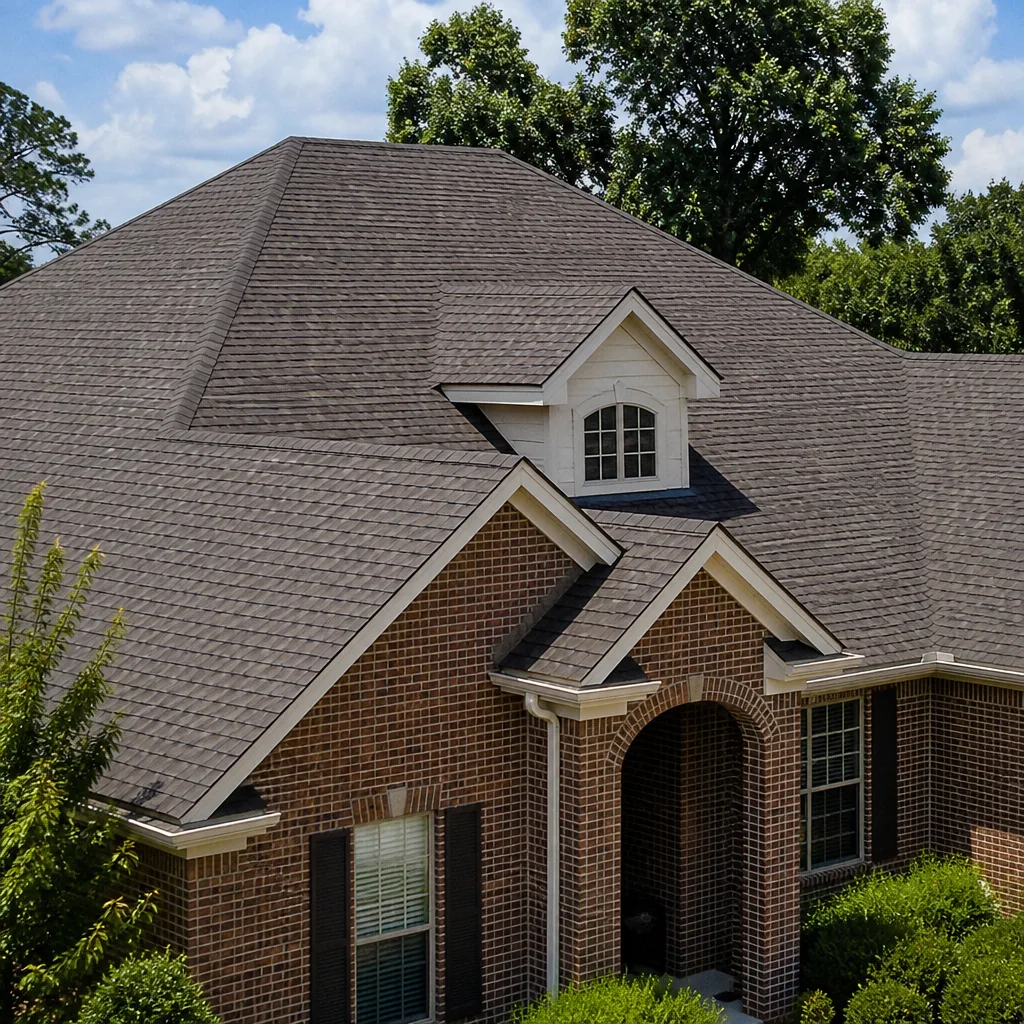 GAF
GAF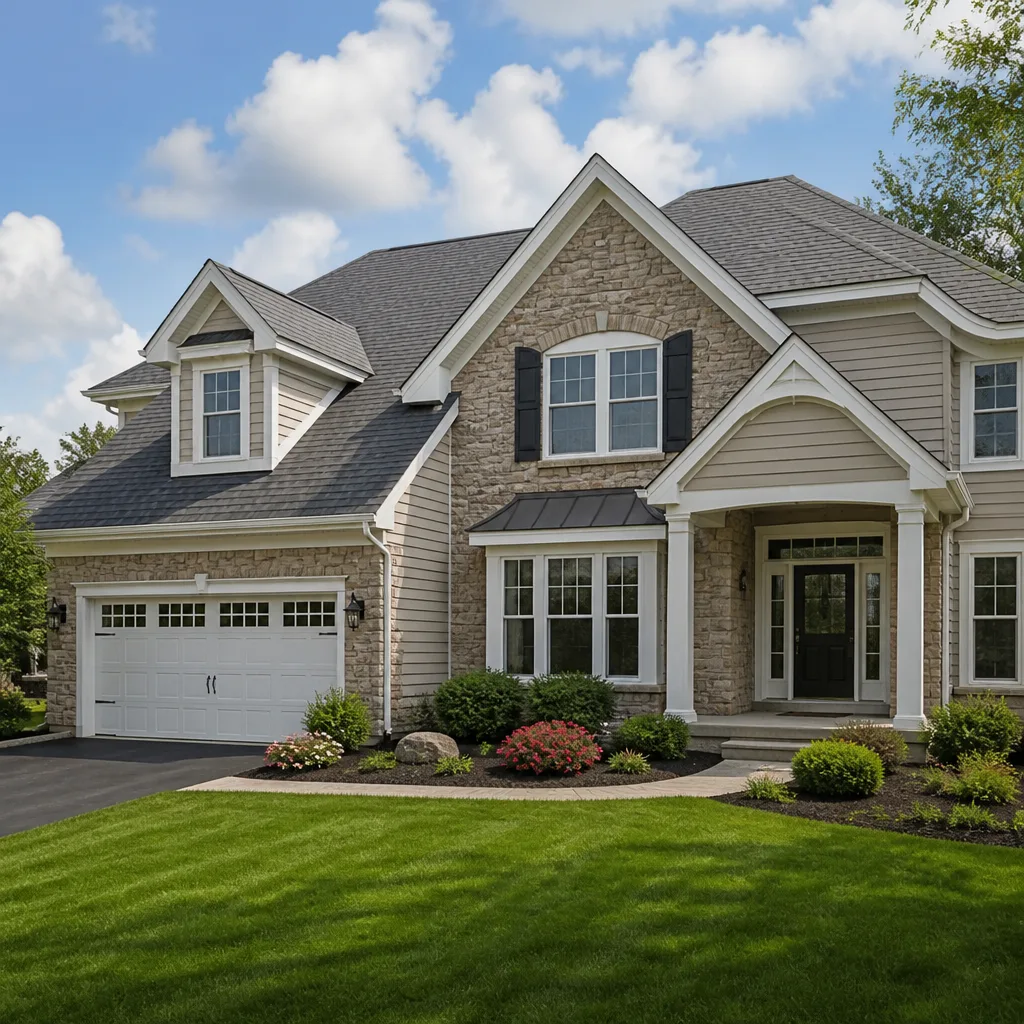 Owens Corning
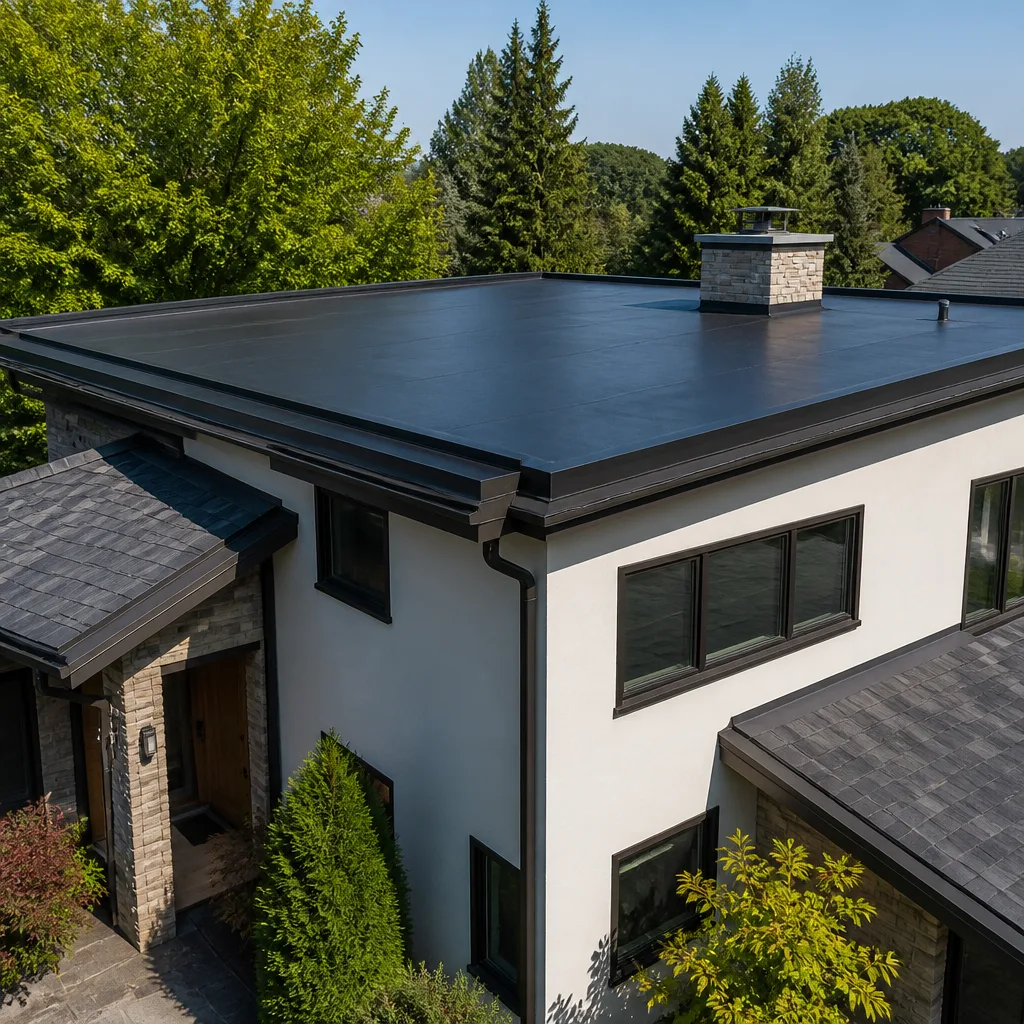 Flat & low-slope
Free roof inspection with deck photos before we talk money - GAF and Owens Corning certified installation
How to Hire a Roofing Contractor in Miami: A Step-by-Step Guide
In Miami-Dade County, a roofer can hold a valid Florida state license but still be legally barred from pulling a permit on your home. That single distinction has left hundreds of Miami homeowners with an unpermitted roof, a voided insurance claim, and a repair bill nobody warned them about. This guide walks you through exactly how to vet a roofing contractor in Miami, the questions to ask before anyone steps foot on your property, and the paper trail a legitimate roofer produces before, during, and after the job. You’ll learn how to disqualify bad contractors over the phone in under ten minutes.
Styles & brands we work with
Quick Answer
To hire a roofing contractor in Miami, verify the contractor holds both a Florida State Certified Roofing Contractor license and a Miami-Dade County Certificate of Eligibility, confirm they pull the permit in their own name, demand a written line-item scope of work before signing anything, and never pay in full until the job passes final inspection. For more guidance, see our Roofing Permits, Codes & Inspections in FL: What You Need to Know. A legitimate Miami roofer will put this all in writing without hesitation.
Table of Contents
- The Two Credentials Every Miami Roofer Must Have
- Six Questions to Ask on the First Phone Call
- What a Written Scope of Work Must Include, Line by Line
- Why the Permit Must Be Pulled by the Contractor, Not You
- Contract Language That Should Make You Walk Away
- What Roofing Actually Costs in Miami Right Now
- The Paper Trail a Legitimate Roofer Produces
- How Crestview Roofing Co Miami Handles Every Job
- Common Mistakes to Avoid
- When to Call a Professional
- Frequently Asked Questions
- The Bottom Line
The Two Credentials Every Miami Roofer Must Have
Most hiring guides stop at “check the license.” In Miami, that’s dangerously incomplete. You need to check two separate credentials, and they serve two different purposes. Here’s what we mean.
A Florida State Certified Roofing Contractor license (the number starts with “CCC” followed by six digits) means the roofer passed state-level exams and carries the insurance and bonding the state requires. But in Miami-Dade County, that state license is not enough on its own. The county operates its own licensing system under what’s called a Certificate of Eligibility. This certificate, issued by the Miami-Dade County Construction Trades Qualifying Board, proves the roofer has registered with the county and met its additional requirements, including local code knowledge specific to high-velocity hurricane zones.
Here’s the part that trips up homeowners: a roofer can be fully licensed by the state of Florida yet have no Certificate of Eligibility in Miami-Dade. If that contractor works on your home, the county will not recognize the permit, your insurance carrier can deny a future claim related to the roof, and you could face code enforcement fines when you try to sell the house. We’ve seen this exact scenario play out in neighborhoods like Kendall, Hialeah, and Cutler Bay.
When you call a roofer in Miami, ask this directly: “What is your Miami-Dade County Certificate of Eligibility number?” A legitimate contractor will give it to you without pausing. A storm chaser will change the subject.
Always verify both credentials for any contractor doing roof repair in Miami or a full replacement. The Florida Department of Business and Professional Regulation website confirms state licenses. The Miami-Dade County Construction Trades Qualifying Board confirms county eligibility. Ten minutes of checking can save you from a six-figure problem.
Six Questions to Ask on the First Phone Call
You can disqualify most bad contractors before they ever pull into your driveway. Here are the six questions we recommend asking on the first phone call, along with what the answers tell you.
- “What is your Miami-Dade County Certificate of Eligibility number?” A roofer who hesitates, says they’ll “get back to you,” or claims it’s not necessary is not legally permitted to work in this county. End the call politely and move on.
- “Will you pull the permit in your company’s name?” The only acceptable answer is yes. If they suggest pulling the permit in your name as a homeowner, hang up. More on why below.
- “Do you provide a written line-item scope of work before I sign anything?” If the answer is a verbal quote only, or a single number on the back of a business card, you’re dealing with someone who will likely change the price after work begins.
- “What shingle brands do you install?” A roofer who names brands like GAF, CertainTeed, or Owens Corning without prompting is buying from established manufacturers with real product warranties. A roofer who says “whatever’s cheapest” or “we use our own brand” is usually installing unbranded materials with no warranty backing.
- “What does your workmanship warranty cover, and for how long?” Legitimate Miami roofers offer at least a one-year workmanship warranty in writing. We cover every repair for 365 days, in writing, included with every job. If the roofer stumbles on this question, that’s your answer.
- “Can you send me your certificate of insurance before we schedule?” A real contractor has a current general liability policy and can email it to you the same day. Anyone who resists this request is operating without coverage.
Ask these six questions and you’ll eliminate most of the risk before the roofer ever sees your roof. The ones who pass are worth a site visit.
What a Written Scope of Work Must Include, Line by Line
A proper scope of work is a legal document that eliminates disputes. A vague scope of work is an open invitation to one. Here’s what a legitimate roofing contract in Miami should specify, line by line, before you sign.
Any roofing scope of work should include all of the following:
- Underlayment type and brand. In Miami, the standard is a synthetic underlayment rated for high-temperature exposure, not basic felt. The scope should name the exact product, such as GAF FeltBuster or Owens Corning ProArmor. If it just says “underlayment,” ask for the brand.
- Fastener pattern. This is the nail or staple spacing on every shingle. Miami-Dade code requires six nails per shingle in high-velocity hurricane zones, not the four you’ll see in central Florida. The scope should state “six nails per shingle” explicitly.
- Drip edge specification. Drip edge is the metal flashing along the roof’s edges that directs water into the gutter. The scope should name the material, usually aluminum or galvanized steel, and the dimensions. A missing drip edge spec is a classic shortcut.
- Flashing details. Flashing, the metal strips that seal joints around chimneys, vents, and walls, should be specified by location and material. “Flashing as needed” is not a specification. It should say “new lead or aluminum flashing at all penetrations.”
- Ventilation. The scope should state the type and number of vents, whether ridge vents, box vents, or turbine vents, and confirm they meet Miami-Dade code for attic airflow.
- Removal and disposal. The contract should state who removes old shingles, how they’ll protect your landscaping, and what the haul-away fee includes.
- Permit and inspection costs. These should be itemized separately, not bundled into a lump sum. You deserve to see exactly what you’re paying for.
- Start and completion dates. A legitimate roofer commits to a schedule in writing. Not “ASAP.” An actual date range.
- Final payment terms. The contract should state that final payment is due only after the final inspection passes. If the contract demands full payment before inspection, walk away.
Take this list when you review any contract for roof replacement in Miami. If the scope of work is one paragraph that says “remove old roof and install new shingles,” you’re looking at a dispute waiting to happen.
Why the Permit Must Be Pulled by the Contractor, Not You
When a roofing contractor pulls a permit in their own name, something important happens: legal responsibility transfers to them. The permit application becomes a public record that the contractor is doing the work, which means the contractor is now accountable to Miami-Dade County for code compliance, insurance coverage, and the quality of the installation.
When a homeowner pulls their own permit, known as an owner-builder permit, that legal responsibility stays with you. Here’s what that means in practice in Miami:
- If the roof leaks six months later, the county’s Code Compliance office considers you the responsible party. This can make insurance claims complicated, and if the roofer disappears, you have fewer legal avenues.
- If someone gets hurt on the job, your homeowner’s insurance may be the policy that gets tapped, because in the county’s eyes, you were the builder and your contractor was just your hired helper.
- If the work fails inspection, you are the one the county notifies, and you are the one responsible for fixing it.
- When you eventually sell, Miami-Dade title searches frequently flag owner-builder permits on roofing work, which can delay closing or force you to obtain a costly retroactive inspection.
Some storm chasers and unlicensed operators tell homeowners that pulling their own permit “saves money” or “speeds things up.” What it actually does is transfer liability. Never agree to it. A legitimate Miami roofer pulls the permit in their own name, handles every inspection, and gives you a copy of the final sign-off when the job is done.
Contract Language That Should Make You Walk Away
Most of the disputes we see in Miami roofing come from three specific clauses. Learn to recognize them and you’ll avoid the worst of it.
The allowance trap. Some contracts include a line item like “materials allowance: $4,000.” This sounds specific but it’s a sliding scale. The roofer can claim the actual materials cost more, then present you with a change order after demolition begins. Once your old roof is off, you can’t easily say no. A legitimate contract names exact materials, exact quantities, and exact prices. No allowances.
The waived-permit clause. Some contractors include a clause that says, effectively, “homeowner agrees to obtain and be responsible for all permits.” This is the owner-builder problem we described above, just buried in fine print. If you see any language that puts permit responsibility on you, cross it out or walk away.
The final-payment-before-inspection clause. A contract that requires final payment before the final county inspection passes leaves you with zero leverage. If the roof fails inspection, the roofer has your money and no contractual obligation to return. The payment schedule should tie your final payment to a passed inspection, not to “completion of work.”
Additionally, watch for any contract that doesn’t itemize materials by brand. “Roofing system of equal quality” is not a brand. If the roofer won’t name the shingle manufacturer, like CertainTeed or Owens Corning, in writing, they’re reserving the right to install whatever is cheapest that week.
At Crestview Roofing Co Miami, our written price is delivered before any work starts, and the number on the page is the number on the invoice. No allowances, no surprises, no change orders after the fact. That’s the standard every Miami homeowner should expect.
What Roofing Actually Costs in Miami Right Now
Miami roofing prices vary by system type, roof complexity, and material grade. For a deeper dive, see our Roofing Cost Breakdown: The Miami Homeowner’s Reference for 2026. Here’s what you can expect in 2025-2026 pricing, based on what we see across Miami-Dade County, from Kendall to Little Havana to Aventura.
Most standard asphalt shingle roof replacements in Miami run between $14,000 and $28,000 for a typical single-family home, fully permitted with tear-off, underlayment, shingles, drip edge, flashing, and disposal. Repairs are significantly less, with most standard repairs running $400 to $1,800 depending on scope. Here’s a more detailed breakdown:
- Minor repair (small leak, a few damaged shingles, small flashing patch): $400 to $900
- Moderate repair (larger flashing replacement, underlayment repair, valley work): $900 to $1,800
- Full roof replacement, basic asphalt shingle (3-tab, entry-level brand): $14,000 to $19,000
- Full roof replacement, architectural asphalt shingle (GAF Timberline, CertainTeed Landmark, Owens Corning Duration): $19,000 to $28,000
- Full roof replacement, high-end shingle or tile-look system (CertainTeed Grand Manor, Boral concrete tile): $28,000 to $50,000+
Two factors drive Miami pricing higher than most of Florida. First, Miami-Dade County’s High-Velocity Hurricane Zone code requires additional fasteners, stronger underlayment, and more rigorous inspections than anywhere else in the state. Second, the county’s permitting process adds several hundred dollars to every job in fees alone. Anyone quoting you $8,000 for a full Miami roof replacement is either omitting the permit, skipping code-required materials, or planning to disappear before the second payment.
If you’re weighing repair versus replacement, see our guide on roof installation in Miami for a deeper comparison of when a repair actually saves you money and when it just delays the inevitable.
The Paper Trail a Legitimate Roofer Produces
Here’s the central idea of this guide, the thing most hiring checklists miss: a legitimate roofer produces a verifiable paper trail at every stage of the job. You should be able to hold a document in your hand, or on your phone, that proves what was promised and what was done. If the contractor can’t produce this trail, you’re hiring on faith, and faith is not a construction material.
Before the job: You should receive a written scope of work with specific materials, a written contract with a firm price, a copy of the contractor’s state license and Miami-Dade Certificate of Eligibility, and a certificate of insurance naming you as the certificate holder. All of this before work begins.
During the job: You should receive the permit number, confirmation that the permit is posted on the job site, and photo documentation of the work as it progresses. We take before-and-after photos on every job and send them to the homeowner by text, so you can see what was under those old shingles without climbing a ladder.
After the job: You should receive the final inspection sign-off from Miami-Dade County, a digital invoice itemizing every charge, and a written workmanship warranty. Our 365-Day Done Right Promise covers every repair for a full year, including a free second visit if the repair fails, no charge and no negotiation.
This paper trail exists to protect both parties. If a roofer in Miami tells you they don’t do written scopes or can’t send photos, what they’re really telling you is that they don’t want a record.
How Crestview Roofing Co Miami Handles Every Job
We built Crestview Roofing Co Miami in 2000 on a simple premise: roofer should be the most transparent company a homeowner hires, not the least. That starts with Crestview Roofing Co Miami home practices that put everything on paper before you commit to anything.
When you call (850) 318-3769, a live person answers. That’s true 24/7. Not a voicemail loop, not a call center that promises a callback in three business days. You’ll speak with someone who can answer questions about your roof and schedule a visit.
Before any work starts, you receive a written price. The number on the page is the number on the invoice. If we find additional damage during the job, we photograph it, explain it, and get your written agreement before doing anything beyond the original scope. No change orders you didn’t approve, no “materials ended up costing more” conversations.
On the day of the job, our background-checked, uniformed technicians arrive at a scheduled time, and you’ll know exactly who is coming before they pull into your driveway. You can track the arrival time live. After the job, you get a digital invoice sent by text and before-and-after photos so you can see the work that was done, even in places you’d never climb to inspect yourself.
The entire process is governed by The Relay Standard: written pricing, live arrival times, photo documentation, and digital invoicing. Every repair is covered by our 365-Day Done Right Promise, in writing, included with every job at no extra cost. We install and repair using manufacturer-backed materials from GAF, CertainTeed, and Owens Corning, so material quality is never a question.
Common Mistakes to Avoid
- Hiring a contractor with only a state license. In Miami-Dade County, that’s half a credential. Confirm the Certificate of Eligibility before anything else.
- Agreeing to pull your own permit. Owner-builder permits transfer legal responsibility to you and can complicate insurance claims and future home sales.
- Signing a contract with an “allowance” pricing line. Allowances are blank checks the contractor fills in later. Demand exact materials and exact prices in writing.
- Paying in full before the final inspection passes. Make final payment contingent on a passed Miami-Dade inspection. Anything else hands the roofer your leverage.
- Skipping the brand question. If the contract doesn’t name the shingle manufacturer, you’re agreeing to whatever is cheapest that week.
- Choosing the lowest bid without comparing scopes. A $12,000 bid that omits drip edge, code-required fasteners, and the permit is not cheaper than a $19,000 bid that includes them. It’s just incomplete.
- Not getting the workmanship warranty in writing. Verbal promises about “we’ll take care of you” mean nothing when the roofer has moved on to the next job.
When to Call a Professional
Some roofing situations are obvious: water coming through the ceiling, shingles scattered across the yard after a storm, a tree limb through the decking. But you should also call a roofing professional in Miami when you spot less dramatic warning signs that degrade over time. Granules accumulating in your gutters signal shingles shedding their protective layer, which means the roof is aging faster than it should. Ceiling stains that appear and grow after heavy rain, even small ones, usually mean a leak has already penetrated the underlayment. If your roof is more than 15 years old and you’re starting to see curled or lifted shingles, a repair now is almost always cheaper than a replacement in two years. See our Roof Repair Maintenance Checklist for Miami Homeowners for what to watch. Crestview Roofing Co Miami offers free estimates in Miami. Call (850) 318-3769 and we’ll send a technician to assess what’s happening, with photos and a written quote before you decide anything.
Frequently Asked Questions
Check the Florida Department of Business and Professional Regulation website for the state license (a CCC number) and the Miami-Dade County Construction Trades Qualifying Board for the Certificate of Eligibility. Both must be current and both should appear on your contract. Call (850) 318-3769 and we’ll confirm ours with you directly.
A standard architectural shingle roof replacement on a typical Miami single-family home runs $19,000 to $28,000 fully permitted, with tear-off, synthetic underlayment, drip edge, flashing, and disposal included. Larger homes, complex roof lines, and premium materials like CertainTeed Grand Manor or Boral tile push that higher. Call (850) 318-3769 for an exact written quote, free.
It should not, unless the contractor finds hidden damage and you approve the additional scope in writing. At Crestview Roofing Co Miami, our written price is delivered before any work starts, and the number on the page is the number on the invoice. If we find something unexpected, we show you photos and get your approval before proceeding.
Yes, we pull every permit in our company’s name on every job in Miami-Dade County. We handle all inspections and provide the final sign-off documentation. Homeowners should never pull their own permit for a contractor’s roofing work.
Most full roof replacements take two to five days of on-site work, depending on roof size, complexity, and weather. The permitting process can add one to two weeks before work begins. We’ll give you a specific start and completion date range in your contract.
Architectural asphalt shingles from GAF, CertainTeed, and Owens Corning are the most common choice for Miami homes because they perform well in high heat and meet Miami-Dade High-Velocity Hurricane Zone code requirements when installed to spec. Concrete tile and metal are also strong options, though they come at a higher price point.
The Bottom Line
Hiring a roofing contractor in Miami is not about finding three quotes and hoping for the best. It’s about verifying two credentials, asking six screening questions on the first call, reading the scope of work line by line, and demanding the paper trail that proves everything was done right. A legitimate Miami roofer will put every promise in writing, pull the permit in their own name, and stand behind the work for at least a year. The contractors who won’t do these things reveal themselves quickly, and that’s exactly the point. Take your time on the front end, because the cost of hiring the wrong roofer in Miami-Dade County is measured in five figures and years of regret. Explore more guides & resources to protect your investment.
Written by Dylan Pace, Owner at Crestview Roofing Co Miami, serving Miami since 2000.
See the difference
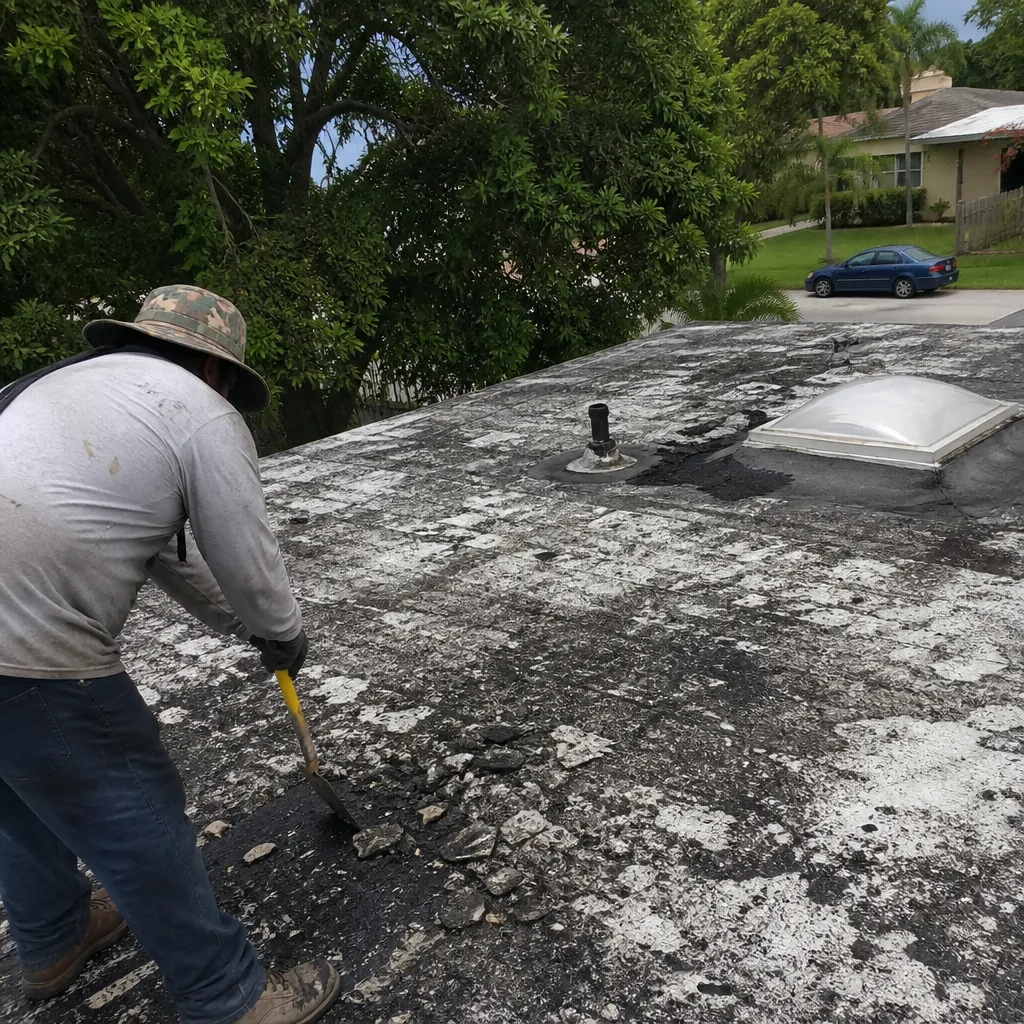 Before
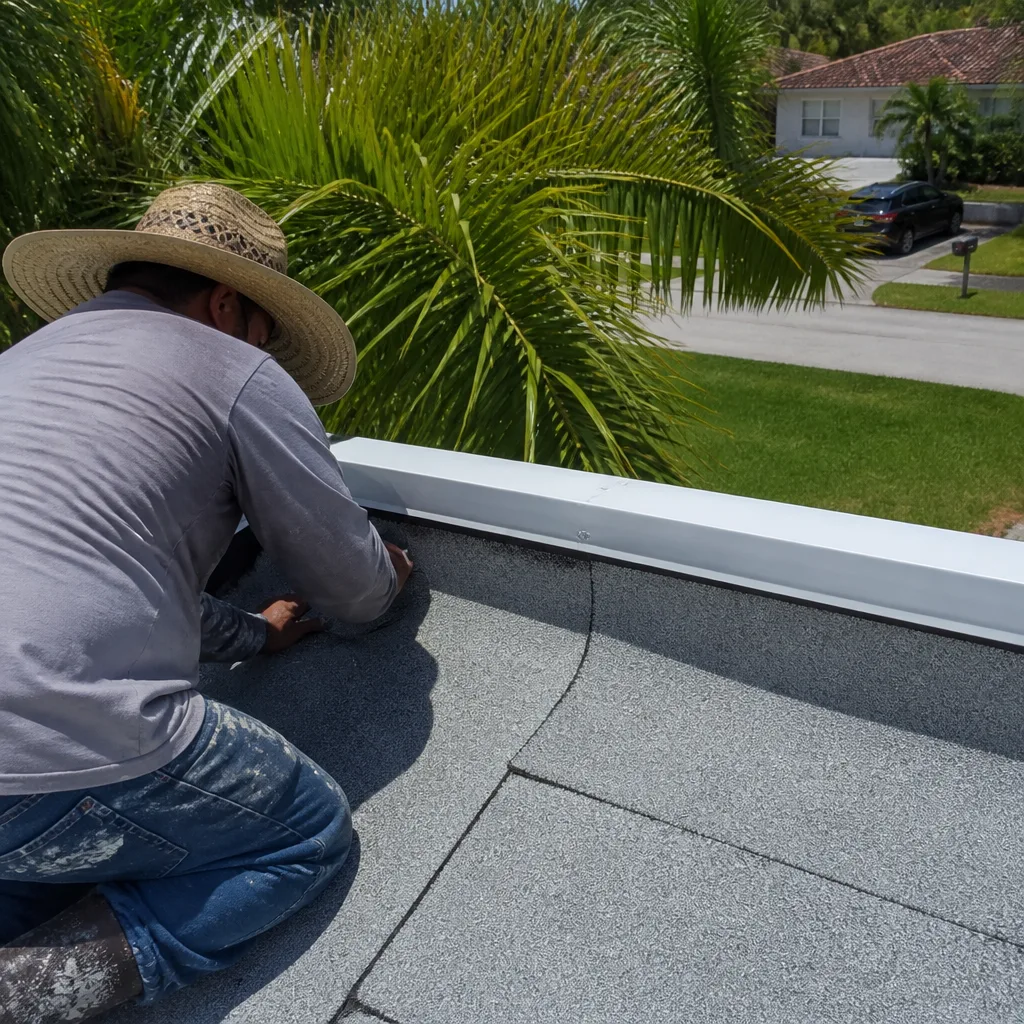 After
After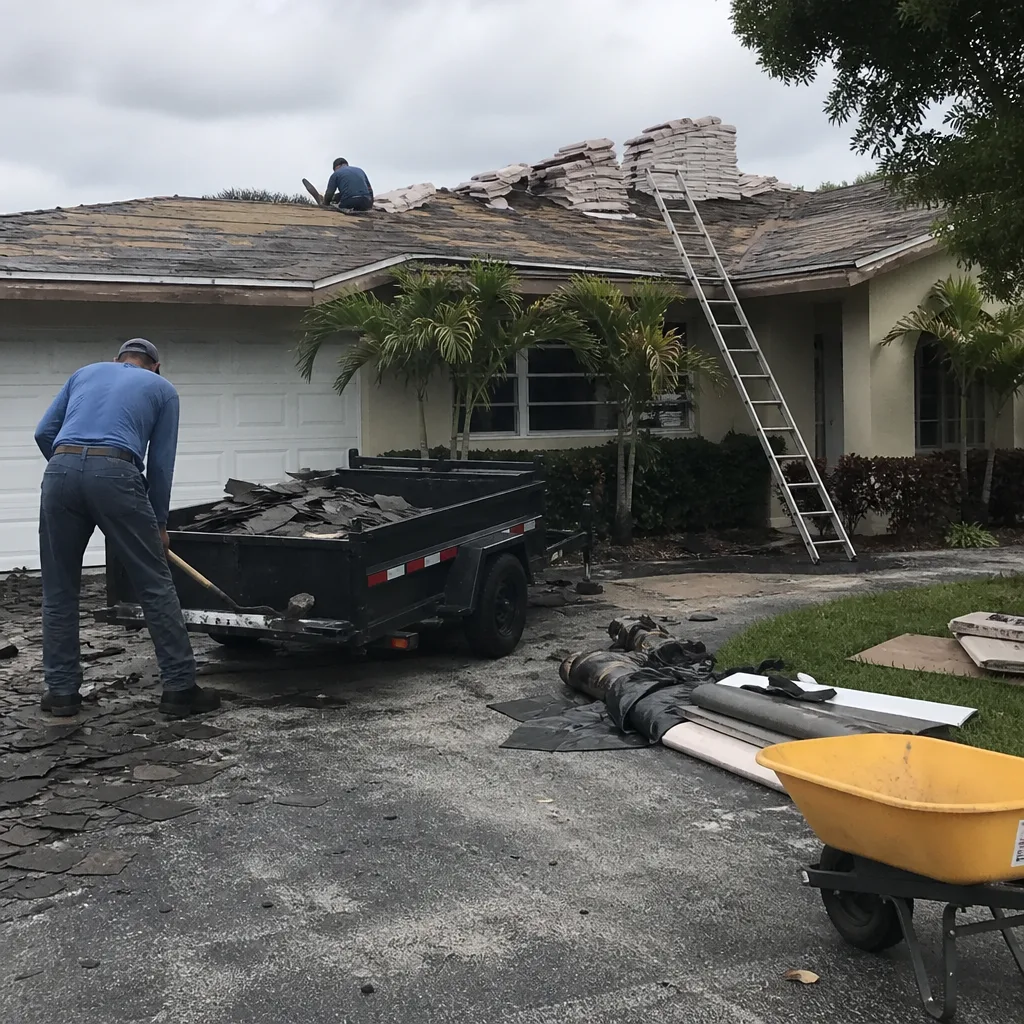 Before
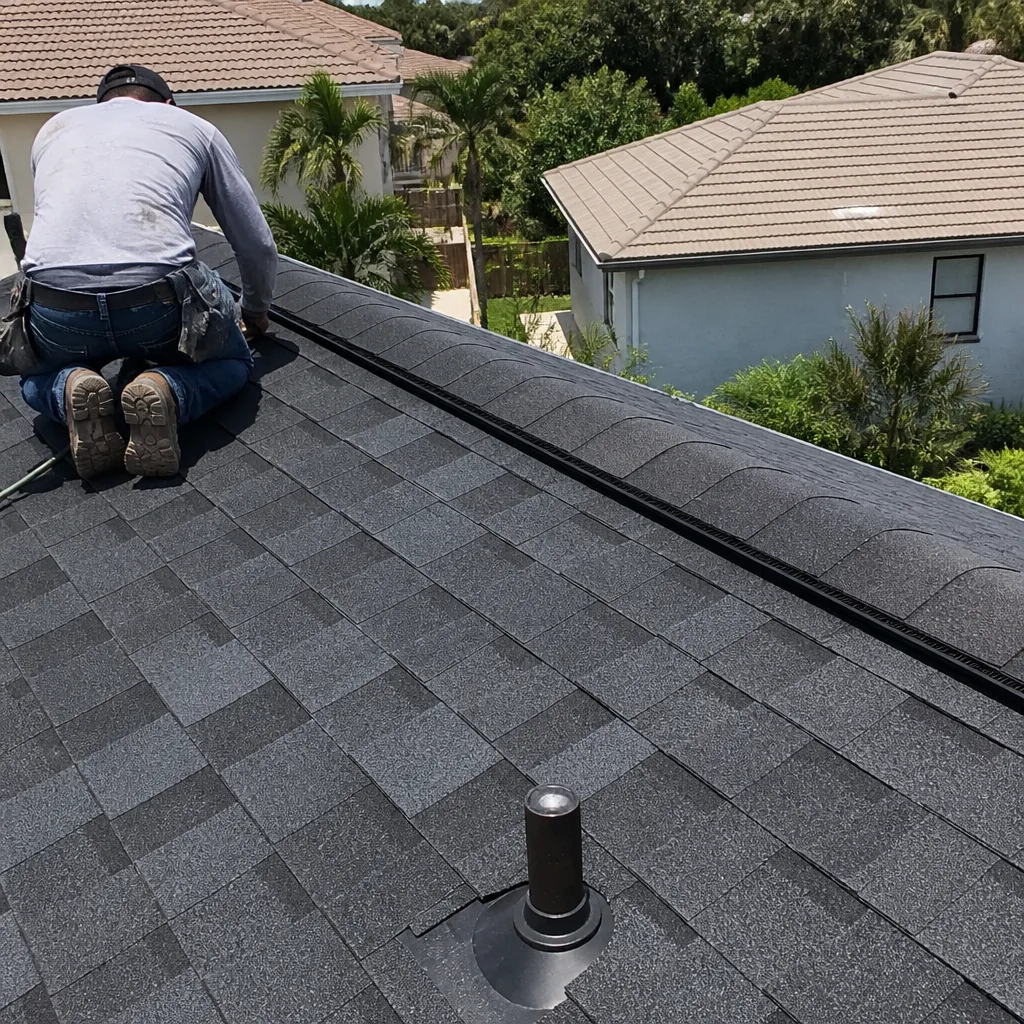 After
After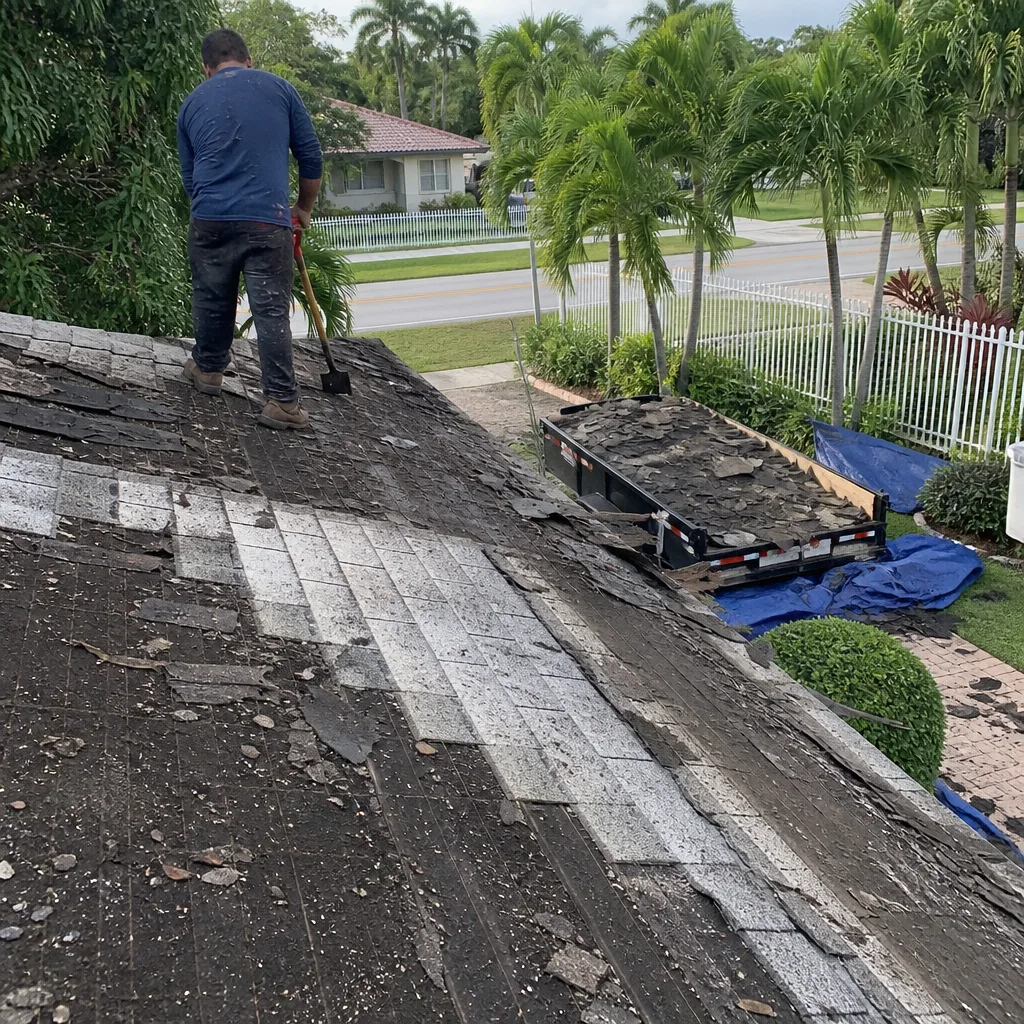 Before
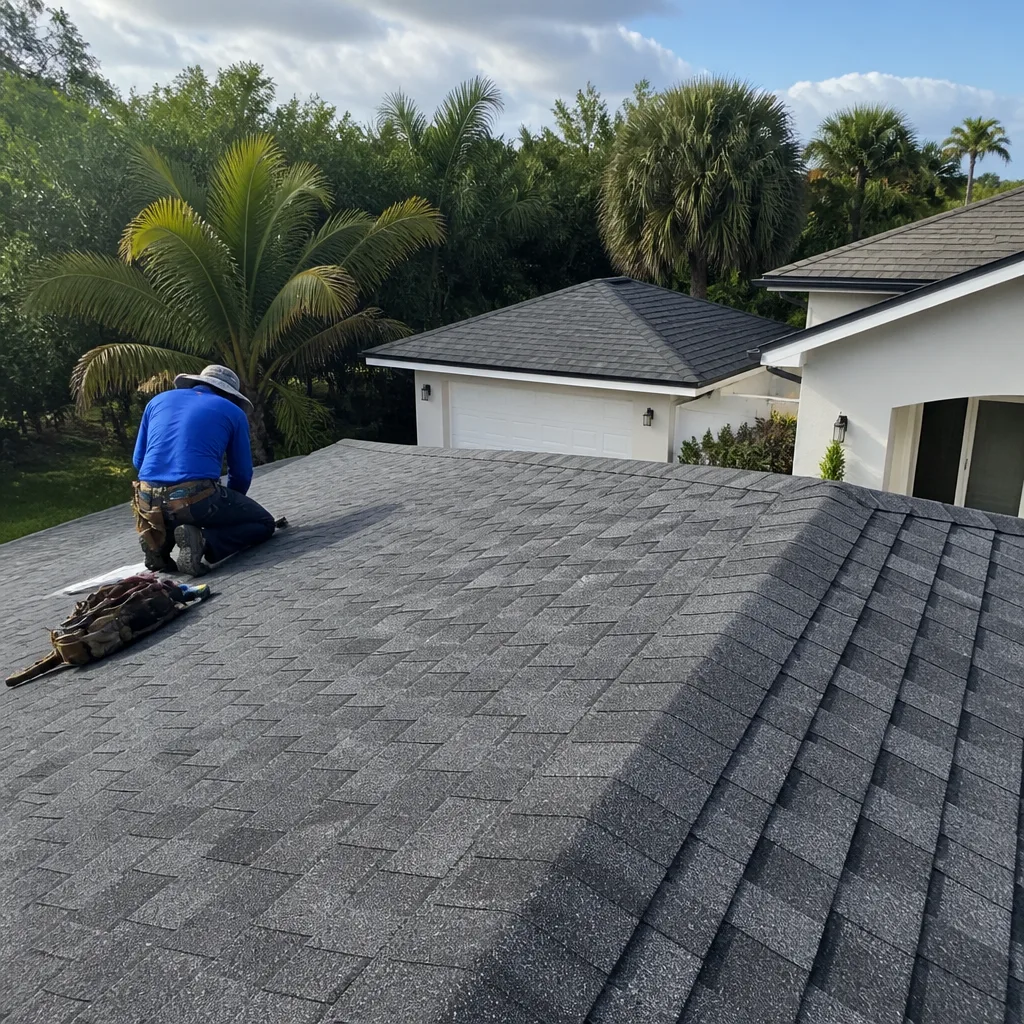 After
After