
Last updated October 17, 2026
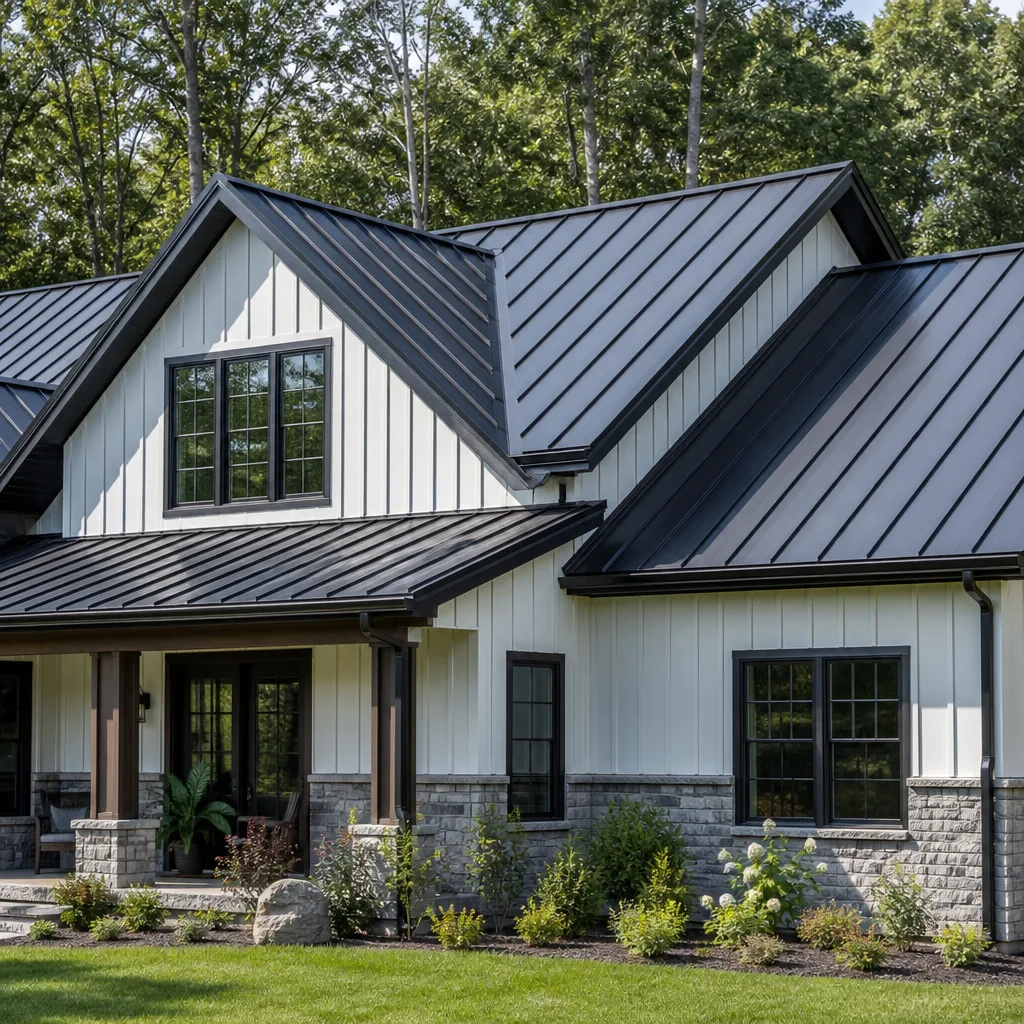 Metal roofing
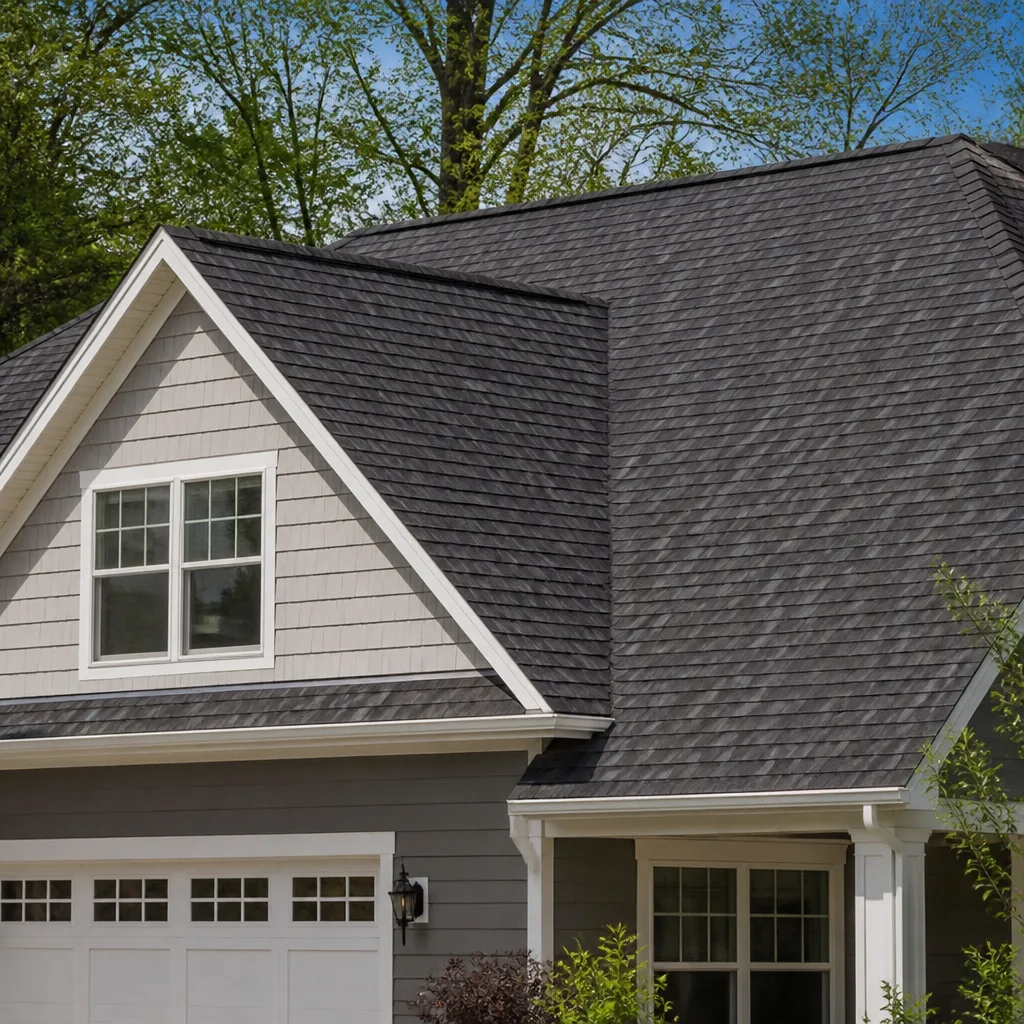 Architectural shingles
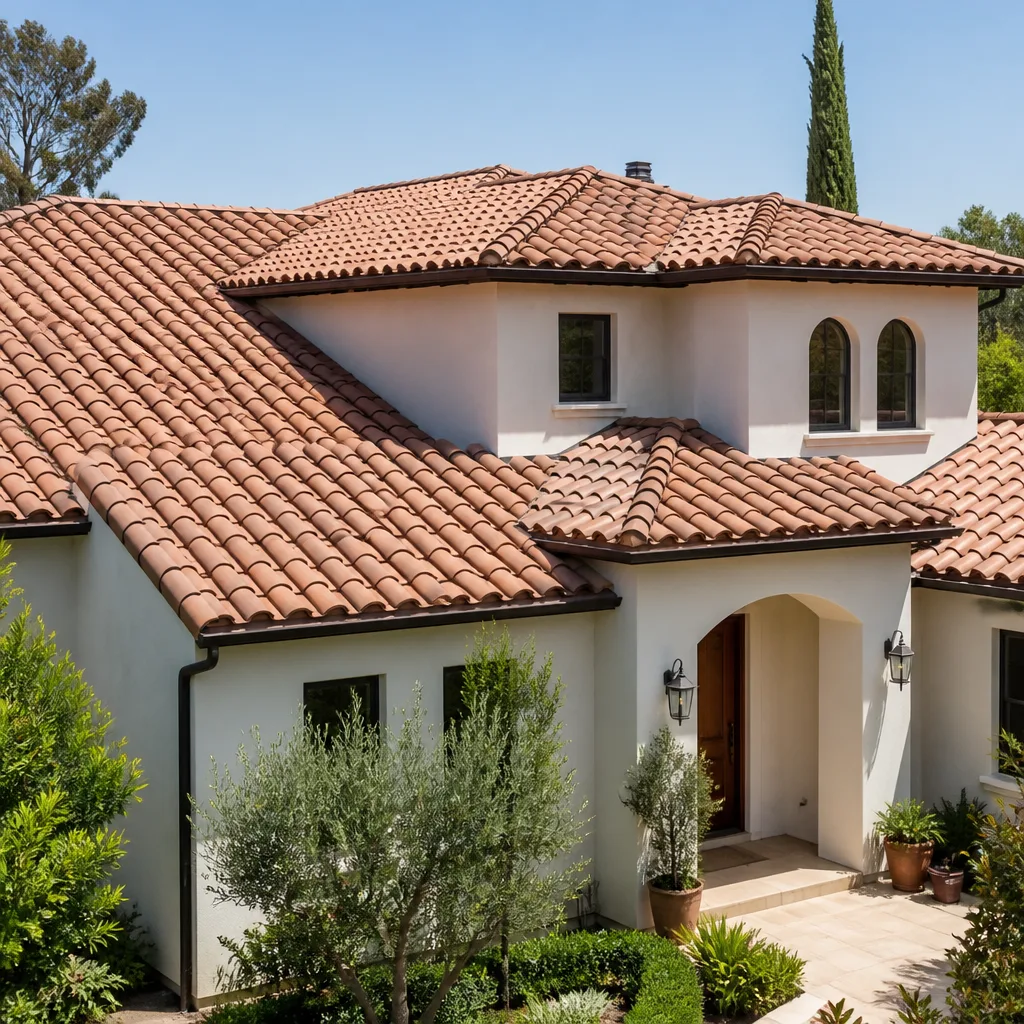 Tile roofing
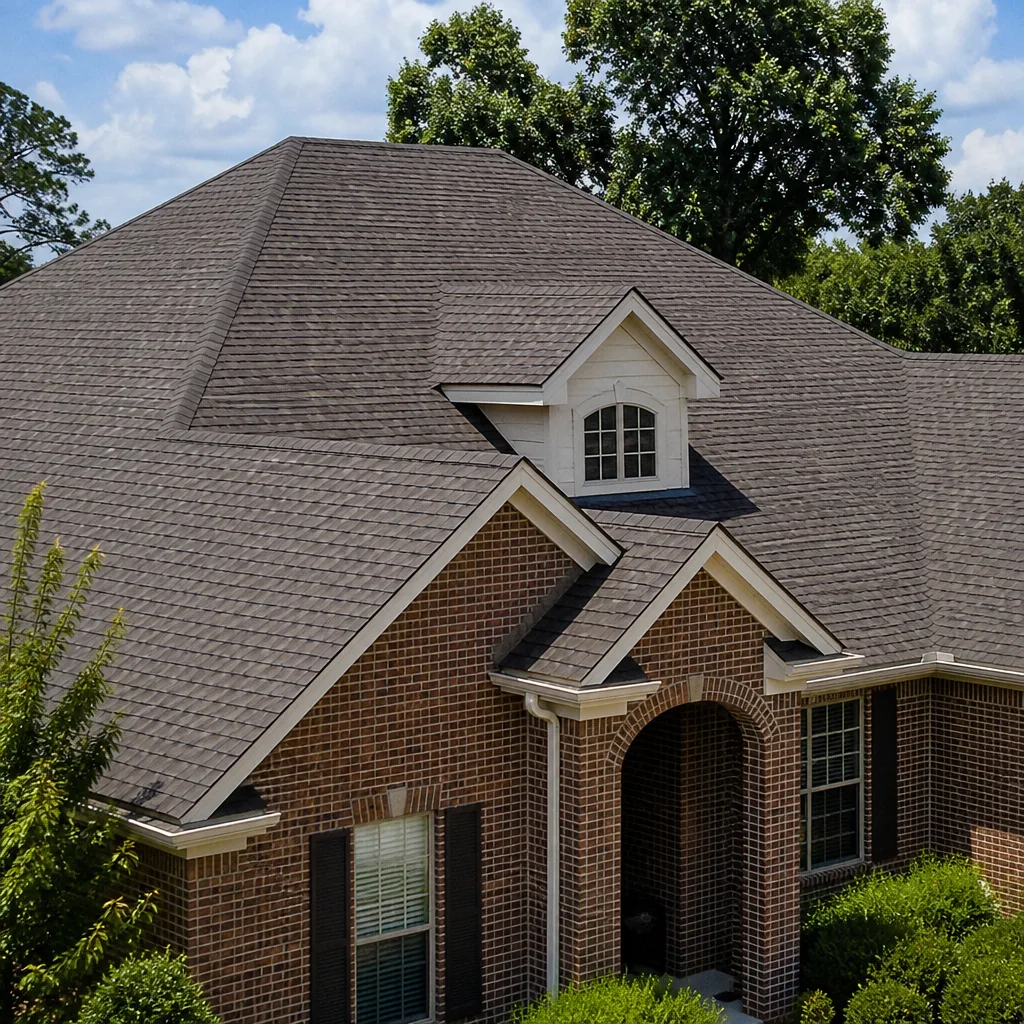 GAF
GAF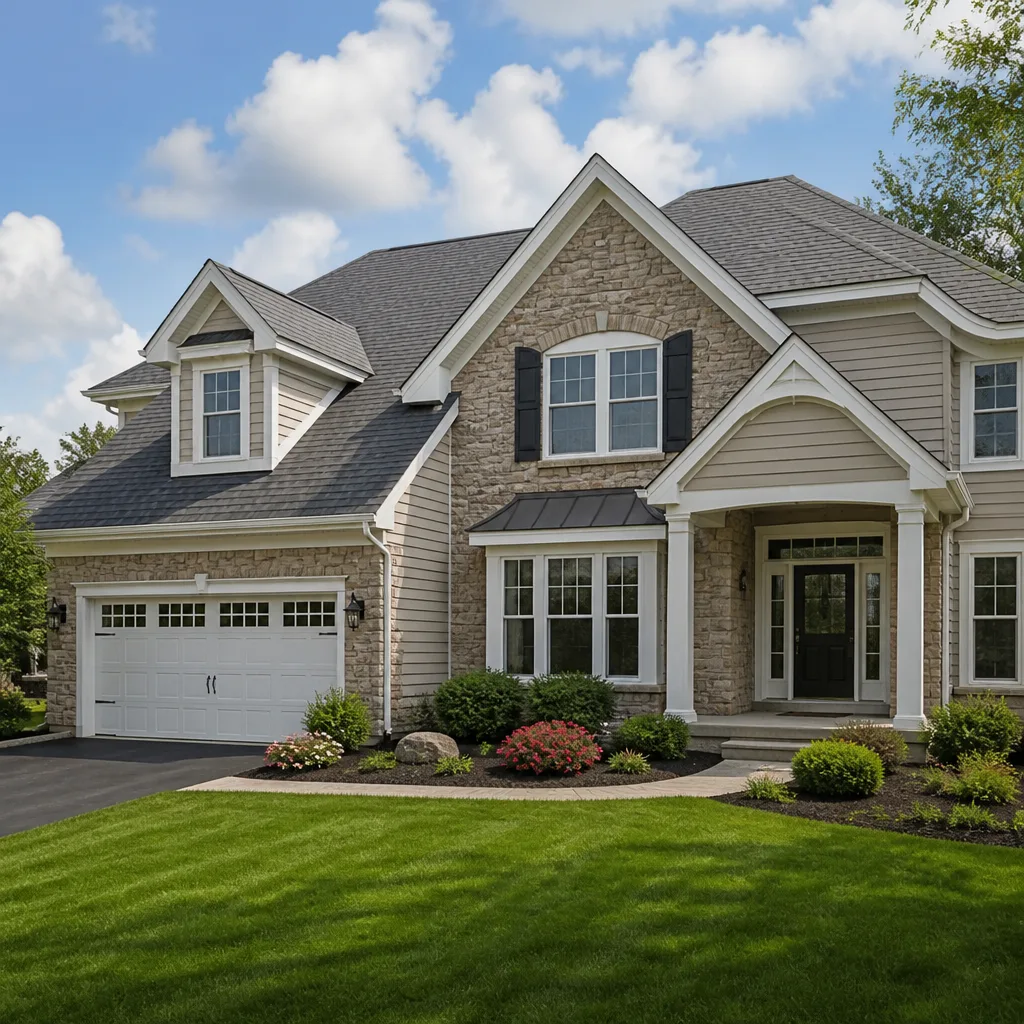 Owens Corning
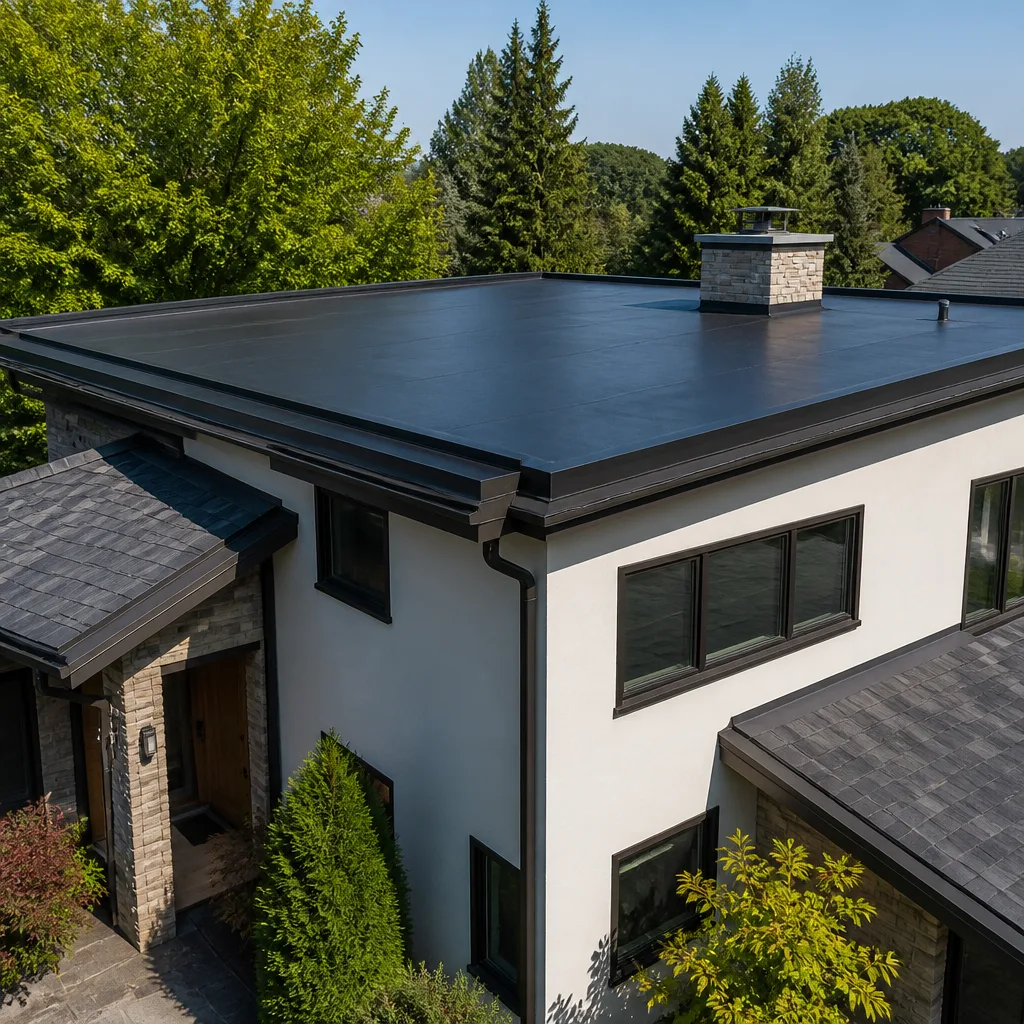 Flat & low-slope
Free roof inspection with deck photos before we talk money - GAF and Owens Corning certified installation
Roofing Cost Breakdown: The Miami Homeowner’s Reference for 2026
Most national roofing cost guides are useless to a Miami homeowner. They quote averages built around asphalt shingle installations in Ohio and Georgia, where code requirements end at basic underlayment and wind ratings top out at 90 mph. Miami is different. A roof here must survive 175 mph wind-driven rain, and that requirement alone adds thousands to any legitimate bid. This guide walks through the actual line items, the Miami-specific cost drivers, and how to read a proposal so you know whether you’re paying for a roof that will pass inspection, or one that will fail when the first hurricane of 2026 makes landfall. For Roofing Permits, Codes & Inspections in FL: What You Need to Know, see our dedicated guide.
Quick Answer
For 2026, a complete roof replacement in Miami runs $12,000 to $45,000 for a typical single-family home, depending on material. Concrete tile runs $22,000 to $45,000, standing-seam metal runs $18,000 to $38,000, and flat roof systems like TPO run $12,000 to $22,000. The gap between a Miami quote and a national one comes from three legally required items most guides ignore: HVHZ-rated materials, a secondary water barrier, and county permit fees, which together add $3,000 to $8,000 regardless of contractor.
Styles & brands we work with
Table of Contents
- Why Miami Roofing Costs 20 – 40% More Than National Averages
- Line-Item Cost Breakdowns for Three Common Miami Roof Types
- The Miami-Specific Cost Drivers National Guides Miss
- How to Read a Roofing Proposal Without Getting Burned
- The Insurance Reimbursement Math: ACV vs. RCV
- What Legitimate Price Variation Looks Like Between Honest Contractors
- Common Mistakes to Avoid
- When to Call a Professional
- Frequently Asked Questions
Why Miami Roofing Costs 20 – 40% More Than National Averages
When a roofing guide written in Dallas or Atlanta says a shingle roof costs $9,000, Miami homeowners read that and think every local quote is a scam. It’s not. Miami-Dade County enforces the High Velocity Hurricane Zone code, one of the strictest building standards in the country. Every material fastened to your roof deck must be rated for uplift pressures that would tear a standard roof off in under a minute. That requirement filters out cheap materials at the source, before a contractor ever touches the job. You cannot legally install a bargain-basement shingle in Miami, and any roofer who offers one is either lying about the product or skipping the code entirely.
The premium is structural, not markup. A Miami roof has more fasteners per square foot, a secondary water barrier that national guides don’t even mention, and materials tested to standards that don’t exist in 47 other states. Add county permit fees and wind mitigation inspection costs, and the “fair price” for a Miami roof simply starts higher than the national average. Understanding that before you get quotes means you won’t feel cheated by honest numbers, and you won’t be seduced by the low one that omits a required line item.
Line-Item Cost Breakdowns for Three Common Miami Roof Types
Every roofing quote, itemized or not, contains the same categories: materials, labor, underlayment and barriers, fasteners and flashing, permits, and disposal. The difference between a transparent quote and a bundled one is whether those categories are separated or smushed into a single line that says “roof installation.” Here’s what each category actually costs in Miami for 2026, across three roof types.
Concrete Tile Roof Replacement: $22,000 – $45,000
Concrete tile is the dominant roof type in Miami, and for good reason. It handles 175 mph winds, lasts 40 to 50 years, and resists the salt air that eats metal and the UV that bakes asphalt. But it’s heavy, and that weight shows up in the quote in ways homeowners don’t expect.
- Tile material: $4.50 to $8.00 per square foot installed. A 2,000 sq ft roof means $9,000 to $16,000 in tile alone. Brands like Boral and Eagle dominate the Miami market because their tiles carry current HVHZ product approvals.
- Underlayment: $1.50 to $2.50 per square foot. This is the self-adhering modified bitumen layer required by FBC, and it’s a separate product from the tile itself.
- Secondary water barrier: $1.00 to $1.75 per square foot. In Miami this is not optional. It’s the difference between a roof that leaks during a storm and one that holds.
- Labor: $3.00 to $5.50 per square foot. Tile work is slow. Each tile is individually fastened, and crews in Miami are paid more because they work in heat that would send a northern crew home.
- Fasteners and flashing: $2,000 to $4,500 total for a typical home. Stainless steel fasteners are required near the coast due to salt corrosion.
- Permit and inspection: $800 to $1,500 depending on the municipality. Unincorporated Miami-Dade and the City of Miami have different fee schedules.
- Disposal and dump fees: $800 to $1,800. Old tile is heavy, and Miami-Dade transfer stations charge by weight.
Flat Roof (TPO or Modified Bitumen): $12,000 – $22,000
Flat roofs are common on Miami homes built in the 1950s through 1970s, especially in neighborhoods like Shenandoah, Coral Gate, and the Roads. They’re priced differently from pitched roofs because the labor model changes entirely.
- Membrane material (TPO or mod bit): $2.00 to $4.00 per square foot. TPO runs toward the higher end for a 60-mil reinforced membrane. Modified bitumen is competitive when paired with a granulated cap sheet.
- Insulation board and cover board: $1.25 to $2.75 per square foot. Many Miami flat roofs from the 1960s have no insulation at all, which means adding it during replacement is a code requirement, not an upgrade.
- Adhesive or mechanical fastening: $0.75 to $1.50 per square foot. Wind uplift requirements in HVHZ zones push contractors toward more fasteners per sheet than national standards call for.
- Labor: $2.50 to $4.00 per square foot. Flat roof work is hot, physically demanding, and requires crews trained in heat-welding seams for TPO.
- Drainage improvements: $1,500 to $3,500 if the existing roof has ponding issues. Miami’s afternoon thunderstorms expose drainage problems fast.
- Permit and inspection: $700 to $1,200.
- Disposal: $600 to $1,200. Old built-up roofing is heavy and often contains multiple layers.
Standing-Seam Metal Roof: $18,000 – $38,000
Metal roofs are growing in Miami, especially in neighborhoods like Coconut Grove and Pinecrest where homeowners want a 50-year lifespan and an insurance premium reduction. The pricing is straightforward at the surface but has hidden line items Miami homeowners often miss.
- Panel material: $5.50 to $9.00 per square foot. Gauge matters. A 24-gauge panel is the minimum most Miami contractors will install; 22-gauge costs more but resists oil-canning and handles uplift better.
- Panel profile and seam type: Included in material cost but worth noting. A snap-lock seam is cheaper to install than a mechanically seamed panel, but mechanical seams carry higher wind ratings.
- Underlayment and high-temp barrier: $1.25 to $2.50 per square foot. Metal roofs in Miami need a high-temperature underlayment to handle the heat conduction.
- Labor: $4.00 to $7.00 per square foot. Standing-seam labor in Miami is specialized. Fewer crews do it well, and they price accordingly.
- Trim, ridge caps, and flashing: $3,000 to $6,000 for a typical home. Every metal roof has more linear feet of trim than a shingle roof, and each piece is cut on site.
- Fasteners and clips: $1,500 to $3,000. Stainless steel clips are standard in Miami’s coastal environment.
- Permit and inspection: $800 to $1,500.
- Disposal: $400 to $900 if replacing a lighter existing roof.
The Miami-Specific Cost Drivers National Guides Miss
National roofing cost guides are built for the average American home, and the average American home is a wood-framed house with an asphalt shingle roof in a temperate climate. Miami breaks every assumption those guides make. Here are the three line items that show up on legitimate Miami quotes and nowhere in a national average.
- HVHZ-rated product premiums: Every shingle, tile, membrane, and metal panel installed in Miami-Dade must carry a valid product approval from the county. Manufacturers test for these approvals and pass the cost along. A shingle rated for HVHZ installation costs 15 to 25% more than its non-rated equivalent, and the non-rated version is simply not available from legitimate Miami suppliers. This premium applies to every material category, from underlayment to ridge vents.
- Secondary water barrier: Florida Building Code in HVHZ requires a secondary water barrier beneath most roof coverings. In practice this means a self-adhering modified bitumen membrane applied over the entire deck, not just the edges. It’s the single biggest difference between a Miami quote and an Orlando quote for the same tile roof. Material cost runs $1.00 to $1.75 per square foot, and labor adds another $0.50 to $1.00 because the membrane must be rolled, not just stapled.
- County permit fees and wind mitigation inspection: Miami-Dade County charges permit fees based on project valuation, and a reroof permit for a typical home runs $800 to $1,500 depending on jurisdiction. After the roof is done, many insurance companies require a wind mitigation inspection (around $150 to $300) to verify the HVHZ installation. That inspection exists because your insurance discount depends on it.
These three items combined add $3,000 to $8,000 to a Miami roof replacement versus an identical job in a non-HVHZ county. When you compare quotes, verify that every bid includes all three. A quote that omits the secondary barrier is not cheaper, it’s incomplete, and the missing item will surface as a change order or an insurance denial.
How to Read a Roofing Proposal Without Getting Burned
A roofing proposal is either a transparent document or a pricing shell game. The bundled quote is the most common tactic in Miami: three categories compressed into one line that hides markup in each. Here’s how to decode what you’re reading.
The Bundled Quote vs. The Itemized Quote
A bundled quote says “complete roof replacement: $18,500.” That’s it. No material breakdown, no labor split, no permit line. The problem is you cannot tell if $18,500 is a fair price for a metal roof or an inflated price for a shingle roof, because you don’t know what’s inside it. The contractor who bundles is the contractor who can slide a $2,000 markup into the “installation” line and you’d never know.
An itemized quote separates materials, labor, underlayment, barriers, fasteners, flashing, permits, and disposal. It’s more work for the roofer to prepare, which is exactly why many don’t. But it’s the only format that lets you compare two bids apples-to-apples. At Crestview Roofing Co Miami, every quote is itemized. The written price you receive before work starts is the price you pay, and every line is named. We do this because we’ve seen too many Miami homeowners sign a bundled quote and discover the permit fee was never included.
Expected Percentage Ranges by Category
When you do see an itemized quote, here’s what each category should typically represent as a percentage of the total job price, based on Miami market data for 2026:
- Materials (roof covering, underlayment, barriers): 40% to 50% of total. This is the largest single category and the one where product quality is most visible.
- Labor: 25% to 35% of total. Skilled Miami roofing crews charge more than national averages, and that’s correct.
- Fasteners, flashing, and trim: 8% to 12% of total. A quote with flashing at 3% is under-flashing the job.
- Permits and inspections: 4% to 8% of total. If permits are missing, the quote is illegal, not cheap.
- Disposal and project management: 5% to 10% of total. These are real costs, not padding.
- Contractor overhead and profit: 10% to 15% of total. This is what keeps a legitimate business operating. A contractor cutting below 10% is either losing money or cutting something from the job.
If a quote deviates wildly from these ranges, ask why. A material cost at 65% might mean the contractor is using a premium product but underpaying labor, which leads to bad installation. A labor cost at 10% suggests the crew is either inexperienced or being rushed.
The Insurance Reimbursement Math: ACV vs. RCV
Before you need a roof replacement, you need to know which type of homeowners insurance policy you have, and you should learn to spot Roofing Warning Signs: A Miami Homeowner’s Reference Guide early. The distinction determines how much money you’ll receive after a storm, and many Miami homeowners discover the difference only after the adjuster hands them a check for half the replacement cost.
Actual Cash Value (ACV)
ACV policies pay the depreciated value of your roof at the time of the loss. A 15-year-old tile roof with a 40-year lifespan has depreciated roughly 37.5%, so the insurance company pays 62.5% of the replacement cost, minus your deductible. You are responsible for the remainder. In practice, ACV policies in Miami often leave homeowners paying $8,000 to $15,000 out of pocket for a standard replacement. This is the policy most common on older homes and homes that have been through multiple claims.
Replacement Cost Value (RCV)
RCV policies pay the full cost to replace your roof with materials of like kind and quality, regardless of depreciation. The insurance company typically releases the actual cash value first, then pays the recoverable depreciation once the work is complete and documented. RCV is the better policy, and in Miami it’s worth confirming you have it before hurricane season starts. The premium difference is real but small compared to the out-of-pocket difference after a claim.
How to Check Which One You Have
- Pull up your homeowners insurance declarations page. It’s the document your insurer sends annually, not the marketing brochure.
- Look for the section labeled “Loss Settlement” or “How We Pay Claims.”
- Read the language for “Dwelling” or “Roof” coverage. If it says “actual cash value,” that’s your answer. If it says “replacement cost value,” that’s your answer.
- If you can’t find it, call your agent and ask directly: “Is my roof covered at ACV or RCV?” Write down the answer and the date.
If you have an ACV policy and plan to stay in the home, consider upgrading to RCV. If you’re filing a claim, get your roof replacement quote in writing before the adjuster arrives. A documented, itemized estimate gives you leverage in the settlement discussion.
What Legitimate Price Variation Looks Like Between Honest Contractors
Two honest Miami roofing contractors can quote the same replacement job $4,000 apart, and both quotes can be fair. This is the part that confuses homeowners who assume all bids should cluster in a narrow band. They don’t, and here’s why.
Legitimate price variation comes from four sources. First, material selection. One contractor specs a 24-gauge standing-seam panel from a major manufacturer like Atlas or Owens Corning; the other specs a 22-gauge panel with a mechanically seamed profile. That’s a real $2,000 to $3,000 material difference on a 2,000 sq ft roof, and both products are valid. Second, labor rates. A crew with 15 years of Miami tile experience commands higher pay than a crew that started last year, and the quote reflects that. Third, scope completeness. One quote includes replacing all existing flashing and boots; the other assumes the existing flashing is reusable. The first is more honest, not more expensive. Fourth, overhead structure. A contractor with an office, a permit runner, and a project manager charges more than a two-person crew working from a truck, but the service difference is real.
The red flag is not a high quote. It’s a quote that comes in 30% or more below the others. That gap almost always means something is missing: no permit, no secondary barrier, no disposal, or materials that don’t carry HVHZ approvals. In our experience in Miami, the lowest bid is usually the most expensive one by the time the change orders start. We at Crestview Roofing Co Miami believe in written prices before work starts precisely because this pattern is so common. The Relay Visibility Guarantee exists so that the price you agree to is the price you pay, in writing, on every job.
Common Mistakes to Avoid
- Accepting a quote without a permit line: If the permit fee isn’t itemized, the contractor either plans to work without one or plans to bill it later as a change order. Both are problems.
- Comparing quotes on total price alone: Two quotes $5,000 apart may be quoting different scopes. The cheaper one often omits the secondary barrier or uses thinner material.
- Waiting until after hurricane season to start: Miami roofing contractors book out 6 to 10 weeks in spring. Starting your replacement in May means waiting until fall for installation.
- Paying the full amount upfront: A legitimate Miami roofer will ask for a deposit, not the full balance. Paying in full before work starts eliminates your only leverage if the job goes wrong.
- Ignoring the wind mitigation inspection: This $150 to $300 document can reduce your insurance premium by hundreds per year. Skipping it costs you money every year you own the home.
- Choosing a roofer without checking local references: Miami is full of storm chasers who set up shop after each hurricane. Ask for addresses of completed jobs in your neighborhood and go look at them.
- Assuming the cheapest quote is the “fair” one: A low bid in Miami usually means something is missing. The question is what, and you’ll find out at the worst possible time.
When to Call a Professional
Some roofing work is DIY-safe, like cleaning gutters or visually inspecting your attic after a storm. Most of it is not. If you see water stains on your ceiling, missing tiles after a storm, or granules in your gutter, call a professional before the damage spreads. A small leak in a Miami summer becomes a mold problem within weeks. If your roof is over 20 years old and you haven’t had it inspected, now is the time. Roof repair in Miami is always cheaper before the leak finds the drywall. Crestview Roofing Co Miami offers free estimates across Miami, from Kendall to Aventura. Call (850) 318-3769 and a live person answers, 24/7. You’ll get a written price before any work starts, along with before-and-after photos and a trackable arrival time, so you know exactly who’s coming and when.
Frequently Asked Questions
A full roof replacement in Miami in 2026 runs $12,000 to $45,000 depending on material. Concrete tile runs $22,000 to $45,000, standing-seam metal $18,000 to $38,000, and flat roof systems like TPO $12,000 to $22,000. Call (850) 318-3769 for an itemized quote on your specific roof, free of charge.
Miami-Dade County enforces High Velocity Hurricane Zone code, which requires HVHZ-rated materials, a secondary water barrier, and stricter fastening patterns than any national standard. These requirements add $3,000 to $8,000 per roof compared to a non-HVHZ county, and they’re not optional.
A secondary water barrier is a self-adhering membrane applied directly to the roof deck beneath the primary covering. Florida Building Code requires it in Miami-Dade’s HVHZ, and yes, it’s mandatory. It’s the layer that keeps water out when the primary covering is damaged by wind-driven rain.
Many Miami homeowners finance through PACE programs, home equity lines, or contractor-offered financing. PACE programs attach the loan to your property tax bill and cover energy-efficient upgrades, while HELOCs offer lower interest if you have equity. Ask your roofer what financing options they work with before you commit.
A typical tile roof replacement takes 5 to 10 working days. Flat roofs run 3 to 6 days, and standing-seam metal runs 7 to 14 days depending on panel fabrication. Miami’s afternoon thunderstorms occasionally add days to a project, which a good contractor factors into the schedule; for maintenance tips, see our Seasonal Roofing Care for Miami: Year-Round Homeowner’s Guide.
Yes. Every roof replacement in Miami-Dade County requires a permit, and the work must pass a county inspection. A contractor who suggests skipping the permit to save money is asking you to accept liability for an illegal installation that may void your insurance. Call (850) 318-3769 for a quote that includes the permit fee, every time.
The Bottom Line
Miami roofing costs more because Miami roofs must withstand more. The HVHZ code, the secondary water barrier, and the county permit process are not optional add-ons, they’re the structure of a roof that keeps your family dry and your insurance valid. A fair quote in 2026 is an itemized one, and a low quote that omits line items is a future bill you haven’t seen yet. Understand the cost drivers, read your proposal carefully, and choose a contractor who puts the price in writing before work starts. For a free, itemized estimate in Miami, call (850) 318-3769. We’ll give you a written price you can hold us to. Explore more guides & resources on our blog.
Written by Dylan Pace, Owner at Crestview Roofing Co Miami, serving Miami since 2000.
See the difference
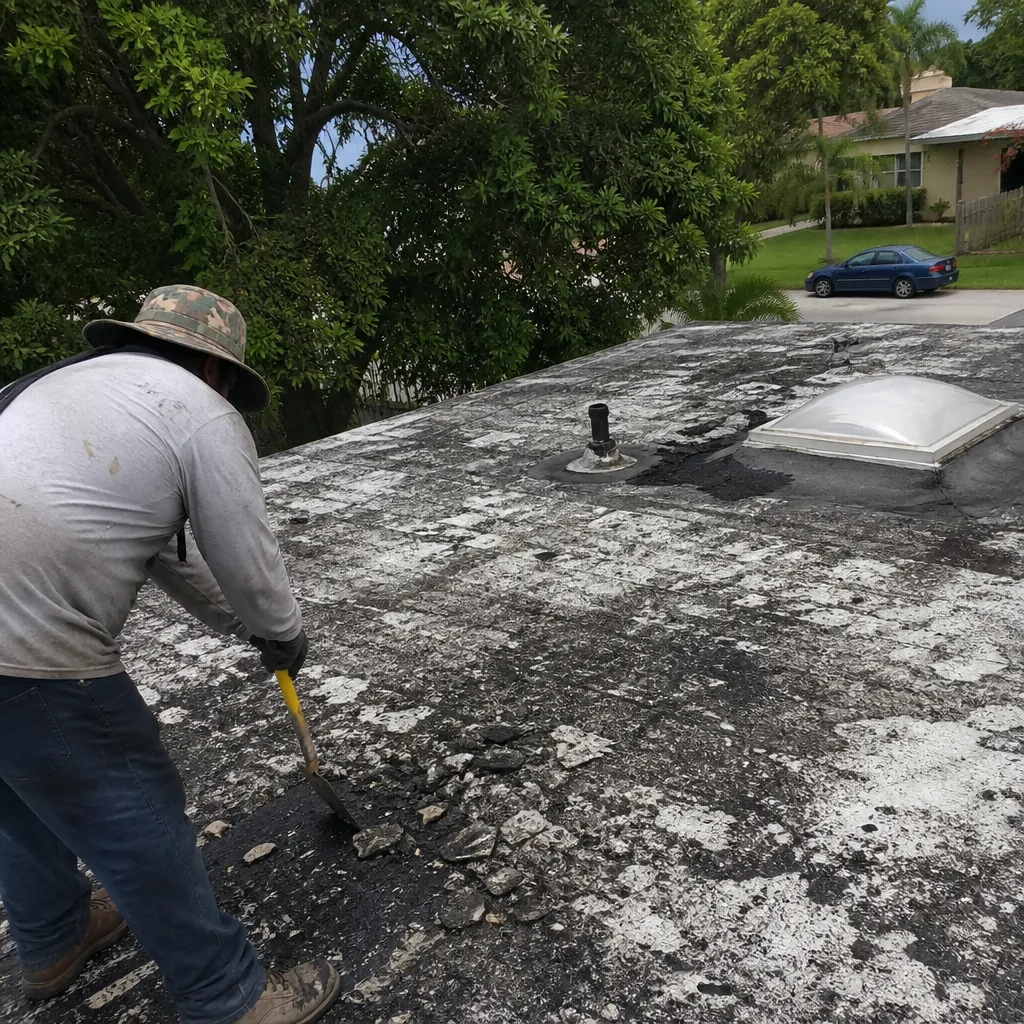 Before
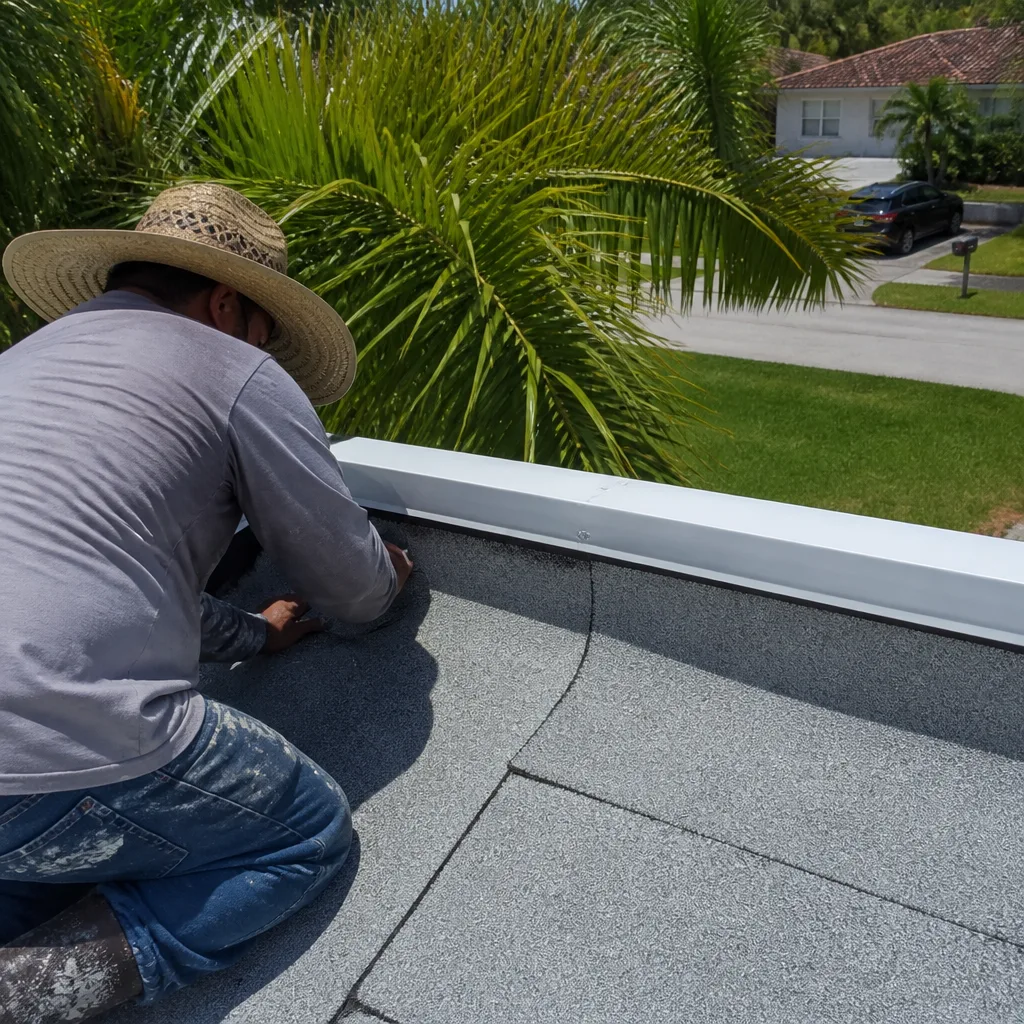 After
After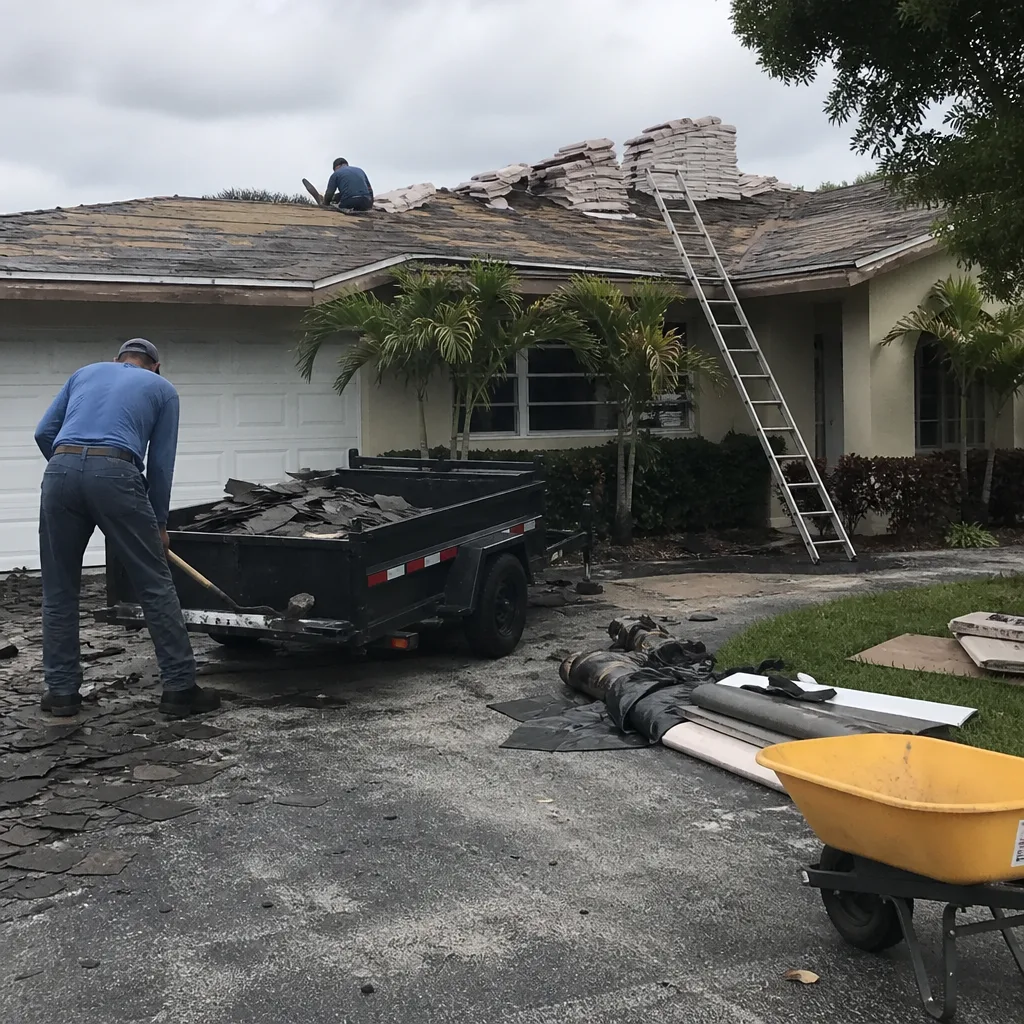 Before
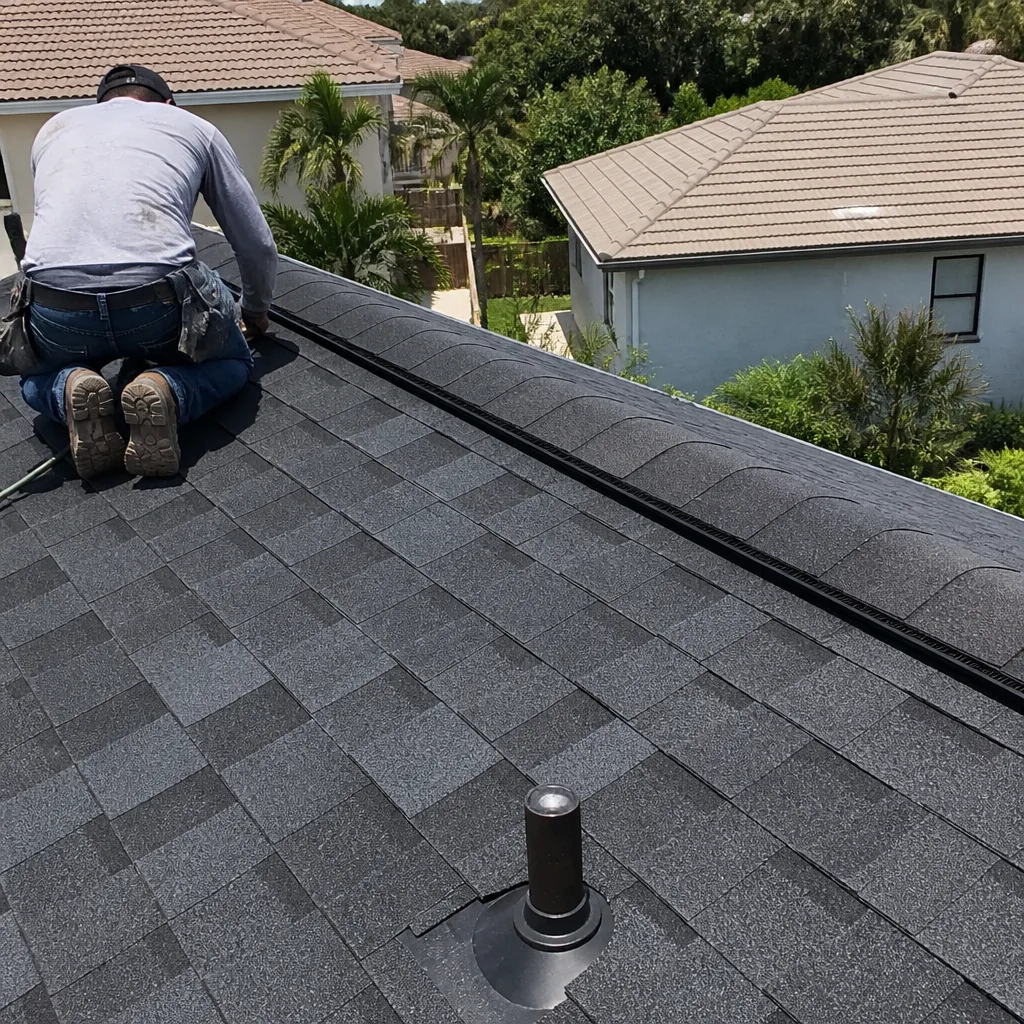 After
After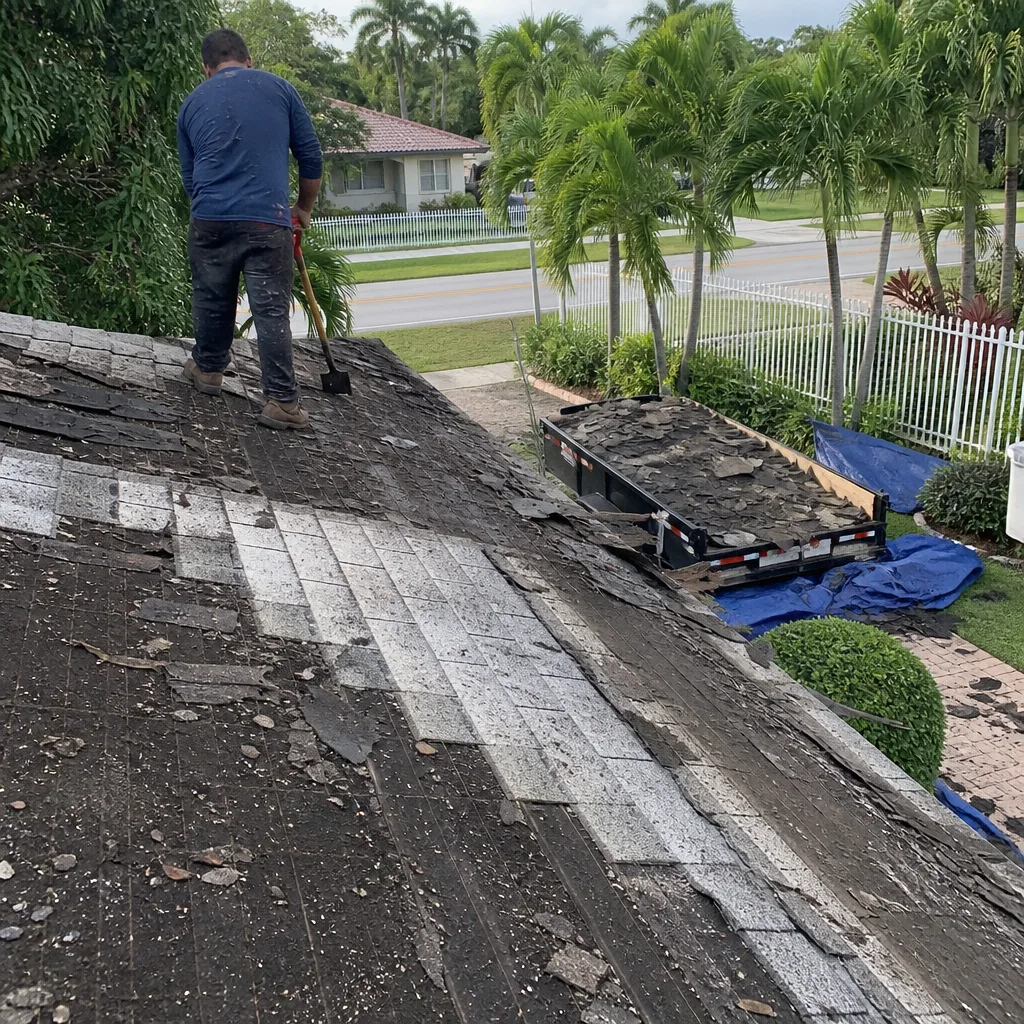 Before
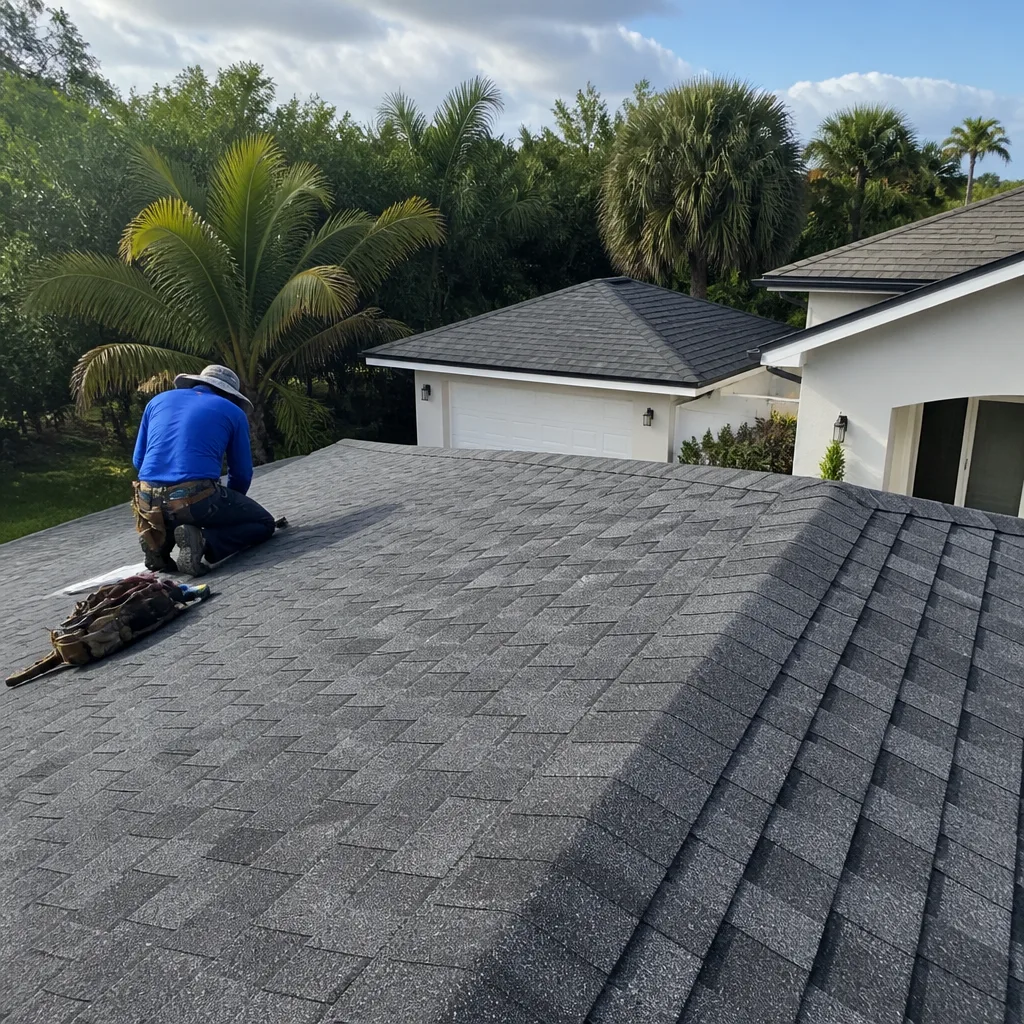 After
After