
Last updated October 17, 2026
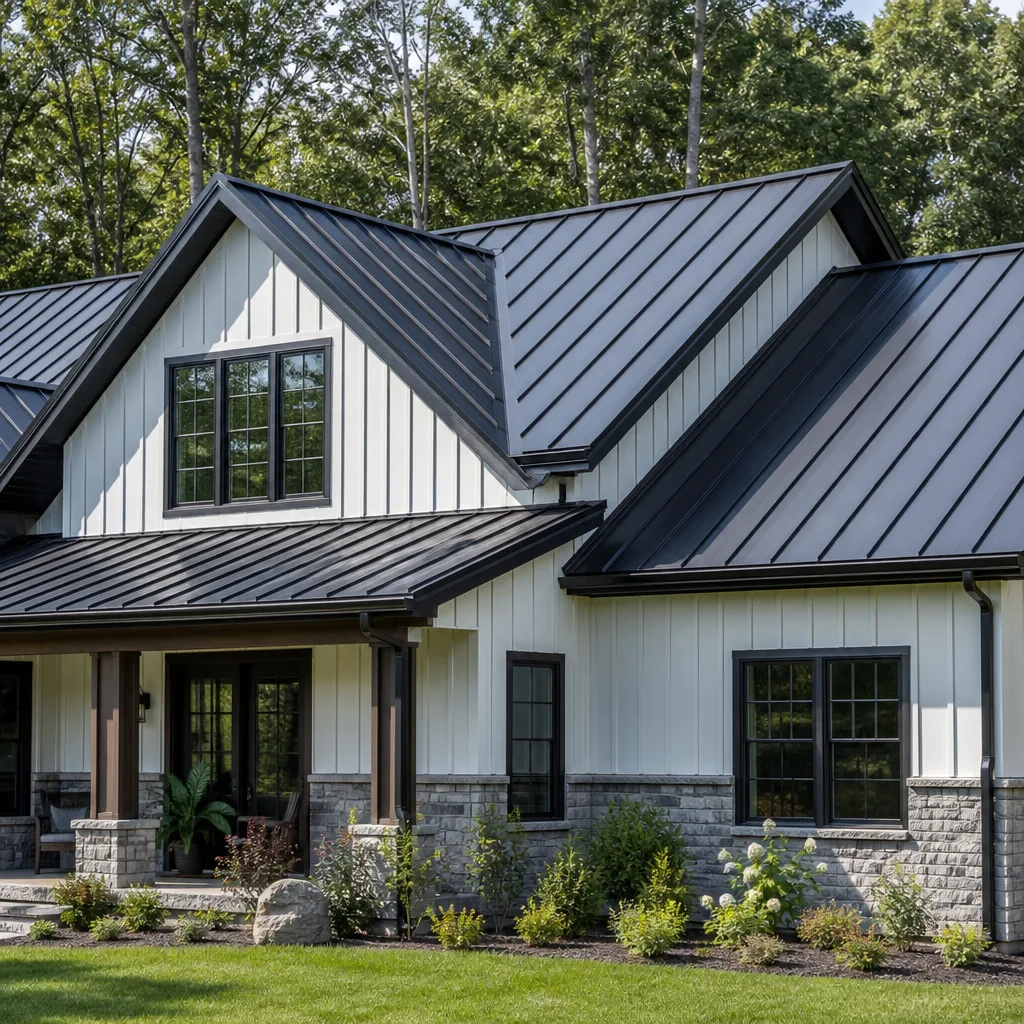 Metal roofing
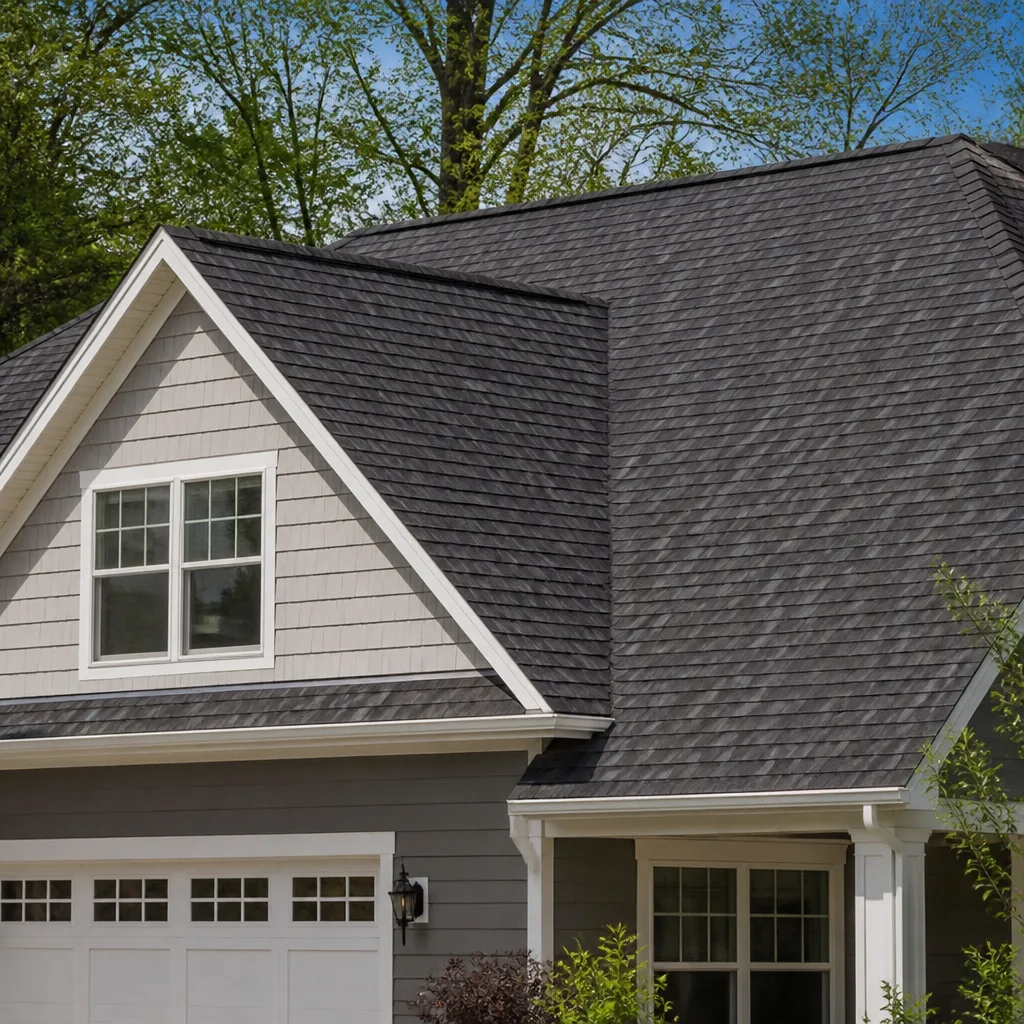 Architectural shingles
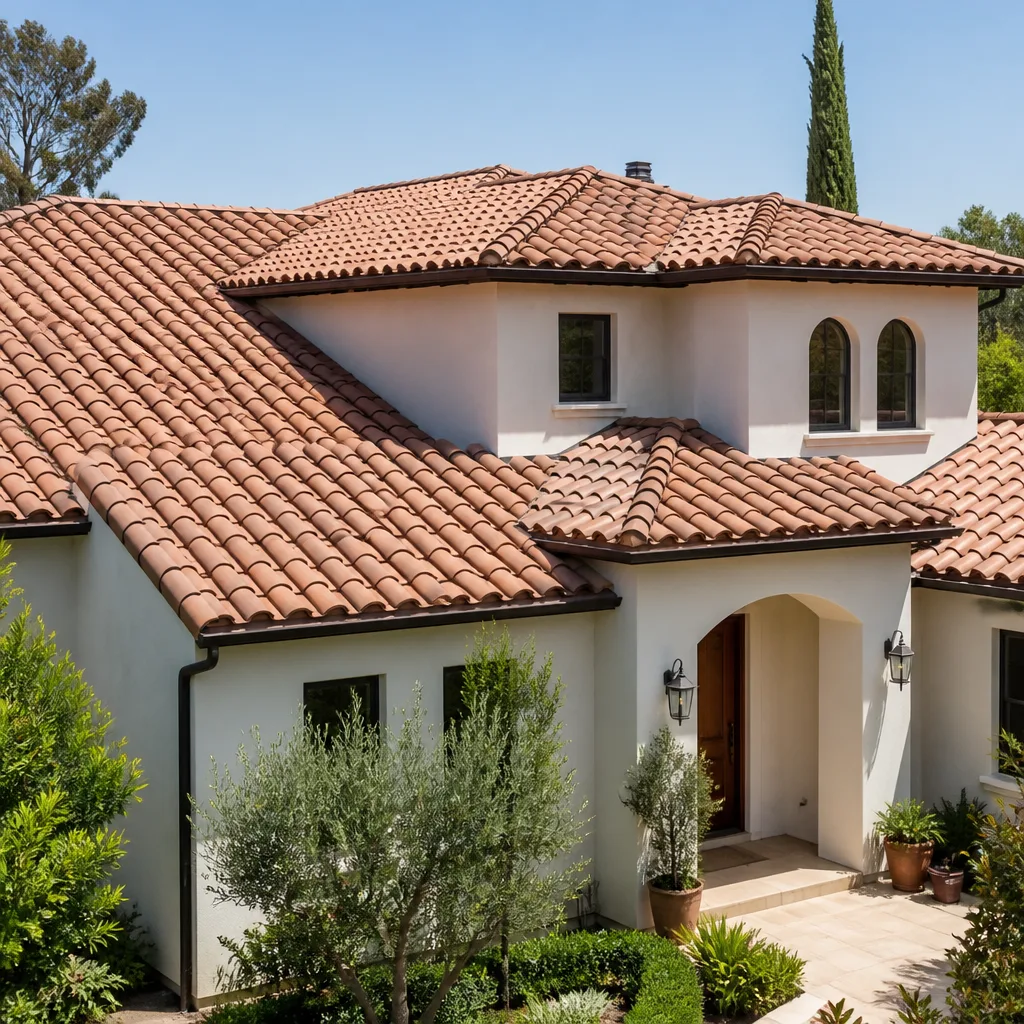 Tile roofing
 GAF
GAF Owens Corning
 Flat & low-slope
Free roof inspection with deck photos before we talk money - GAF and Owens Corning certified installation
Roofing Warning Signs: A Miami Homeowner’s Reference Guide
Here’s a stat that surprises most Miami homeowners: a concrete tile roof can leak for two full hurricane seasons before you ever see a water stain on the ceiling. The moisture travels sideways along the decking, soaks into the underlayment, and quietly rots the plywood while the paint on your living room ceiling stays perfectly dry. By the time the stain appears, you’re not looking at a repair. You’re looking at plywood replacement, possible mold remediation, and an insurance conversation that’s a lot harder than it needed to be. This guide walks you through the warning signs that actually matter in Miami, organized by roof type, so you know what to look for before the problem becomes structural.
Styles & brands we work with
Quick Answer
The roofing warning signs that matter most for Miami homeowners are material-specific: cracked or displaced concrete tiles, granule loss and curling on asphalt shingles, blistering or ponding on flat modified bitumen roofs, and rust or loose seams on standing-seam metal. Early interior indicators include rust on hurricane straps, damp insulation at the soffit line, and musty attic air during Miami’s summer months. If you see granule buildup in gutters, daylight through the roof deck, or water stains after a storm, schedule a professional roof inspection in Miami before the next rain event.
Table of Contents
- Concrete Tile Roof Warning Signs: What Failure Actually Looks Like
- Flat Roof Warning Signs: Modified Bitumen and Built-Up Systems
- Metal Roof Warning Signs: Standing-Seam and Corrugated Panels
- The Attic Tells You First: Interior Warning Signs Before the Stain
- Storm Damage vs. Age and Wear: How to Tell the Difference Before You Call Anyone
- What Miami Insurance Adjusters Look For (And Why Documenting Your Roof First Matters)
- The Miami Roof Triage Framework: Monitor, Schedule, or Call Today
- Common Mistakes to Avoid
- When to Call a Professional
- Frequently Asked Questions
- The Bottom Line
Concrete Tile Roof Warning Signs: What Failure Actually Looks Like
Concrete tile is the workhorse of Miami roofing. You see it everywhere from Kendall to Coral Gables to Miramar. Boral and Eagle tile dominate the market, and when installed properly, a concrete tile roof can last 40 to 50 years in Miami’s climate. But the tile itself is rarely the problem. The tile is the armor. The underlayment underneath is what actually keeps water out of your house, and that underlayment ages faster than the tile above it.
Here’s what our team sees most often on roof repairs across Miami:
Warning Signs on Concrete Tile
- Cracked or chipped tiles along the eaves and hips. In Miami, cracked tiles cluster at the roof edges first. Wind-driven rain and flying debris from afternoon thunderstorms hit these areas hardest. A single cracked tile isn’t an emergency, but a cluster of ten or fifteen in one zone means the underlayment is getting direct water exposure.
- Displaced tiles after wind events. If you can see tiles sitting askew or slipped out of position from the street, they’re no longer shedding water properly. Miami’s summer wind gusts regularly hit 40 to 50 mph, and tiles that shifted in one storm will shift further in the next.
- Visible underlayment between tiles. When enough tiles crack or shift, you’ll start seeing black felt or synthetic underlayment peeking through the gaps. That’s the waterproofing layer doing all the work now, and it’s not designed for direct sun exposure. UV breaks down underlayment fast.
- White efflorescence streaks on tile faces. That chalky white residue is mineral salt left behind when water evaporates. It tells you water is moving through or under the tile where it shouldn’t be.
- Missing tile patching with mismatched colors. If a previous owner patched broken tiles with a slightly different shade, that’s a sign the roof has a repair history you don’t know about. Ask what caused the original damage.
The cost of the most common concrete tile repairs in Miami, replacing broken tiles and spot-checking the underlayment beneath them, generally runs $300 to $700 per incident depending on access, roof pitch, and how many tiles actually need replacement. If the underlayment itself has failed, you’re looking at a much bigger conversation about section-level or whole-roof underlayment replacement, which we’ll cover in the triage section below.
One Miami-specific detail: concrete tile roofs in neighborhoods like Shenandoah and Little Havana are often 30 to 50 years old, which means the original felt underlayment has far outlived its expected service window. Tile can look great from the street while the waterproofing underneath has been functionally dead for years.
Flat Roof Warning Signs: Modified Bitumen and Built-Up Systems
Flat roofs are everywhere in Miami, especially on mid-century homes in neighborhoods like Miami Shores, Westchester, and the Upper East Side. Most are modified bitumen systems: asphalt-based rolled roofing that gets torched, adhered, or mechanically fastened to the deck. Others are older built-up roofs with gravel surfacing. Both fail differently than pitched roofs, and the warning signs are deceptively subtle.
What Failure Looks Like on Miami Flat Roofs
- Ponding water that lasts longer than 48 hours after rain. Miami gets afternoon downpours nearly every day from June through September. A healthy flat roof should shed standing water within a day. If you’re seeing pooled water that sits for three days or more, the roof’s drainage or slope has failed, and that water is penetrating the membrane through microscopic cracks with every soak cycle.
- Blistering and alligatoring on the membrane surface. Blisters look like bubbles in the roofing felt, caused by trapped moisture expanding under Miami’s heat. Alligatoring is a network of small cracks that resembles alligator skin, a sign the asphalt oils have baked out of the membrane. Both mean the roof surface has lost its waterproof flexibility.
- Loose or lifted seams at the flashing points. Modified bitumen seams are the most common point of failure. Walk the roof perimeter, or have someone do it safely, and look for edges that have curled up. Those lifted seams are direct entry points for Miami’s wind-driven rain.
- Granule loss visible at the downspout or scupper outlets. If you’re cleaning tan or gray speckles out of your gutters more often than you used to, the roof’s protective granule layer is washing away, and the asphalt underneath is directly exposed to UV radiation.
- Interior ceiling stains near exterior walls or at the center of the home. On flat roofs, leaks often travel along the deck and show up far from the actual breach. A stain near a bedroom wall may actually originate from a seam failure twenty feet away.
Flat roof repairs in Miami typically run $500 to $1,200 for seam resealing, small patch work, and reapplying granules. Full modified bitumen replacement, which many Miami flat roofs need by year 15 or 20 given the UV load, runs very differently, generally in the $8,000 to $18,000 range for a standard 1,200 to 2,000 square foot home, depending on whether the existing membrane is torn off or overlaid. For a full picture of what that project involves, see our guide on roof replacement in Miami.
Metal Roof Warning Signs: Standing-Seam and Corrugated Panels
Standing-seam metal roofs are growing fast in Miami, especially on newer construction in Wynwood, the Design District, and Edgewater. They’re excellent at shedding water, they handle Miami’s hurricane winds better than most materials, and they require less maintenance than tile or asphalt. But metal roofs fail at the connections, not the panels. The warning signs are specific and worth knowing.
Metal Roof Warning Signs in Miami’s Climate
- Loose or backed-out fasteners. Miami’s constant thermal cycling, hot sun to cooling rain, causes metal panels to expand and contract daily. Over years, screws and clips can back out. A single loose fastener is a leak waiting for the next storm. Multiple loose fasteners along a seam line means the panel is moving more than it should.
- Rust at panel ends and screw heads. Galvalume and aluminum resist rust well, but the cut edges and fastener heads are the vulnerable spots. Surface rust at panel ends in Miami’s salt air, especially within a few miles of Biscayne Bay, is a sign the protective coating is failing at the cut points.
- Seam separation along the standing ribs. If you can see any gap between the interlocking ribs, the panel’s wind resistance rating has already been compromised. Miami’s building code specifies wind uplift ratings that depend on those seams staying locked. A separated seam is both a leak risk and a storm risk.
- Oil canning that changes shape. Oil canning, that wavy distortion you see on some metal roofs in certain light, is cosmetic and normal. But if you notice oil canning patterns shifting or deepening over a single season, the panel’s tension balance is changing, possibly due to fastener failure underneath.
- Discolored runoff streaks below roof edges. Rust-colored streaks running down the walls or fascia below the roof line indicate the metal is oxidizing where you can’t see it, usually at the hidden cut edges or the underside of panels.
Metal roof repairs in Miami generally run $350 to $900 for fastener replacement and seam re-engagement, with panel replacement in the $600 to $1,500 range depending on panel size and access. Most Miami metal roof problems we encounter are caught during routine inspections and solved before they become interior leaks.
The Attic Tells You First: Interior Warning Signs Before the Stain
Here’s the section most roofing guides skip entirely, and it’s the one that saves Miami homeowners the most money. Your attic is a diagnostic readout for your roof. Long before water reaches your ceiling, it leaves evidence in the attic space. If you can safely access your attic, even just once per year, you can catch problems months or years earlier than the average homeowner.
- Rust on hurricane straps. Miami homes built after Hurricane Andrew have galvanized steel hurricane straps connecting the roof structure to the walls. These straps should stay dry their entire life. If you see rust forming on the straps, particularly at the roof-to-wall connection points near the eaves, water is getting into the attic with enough frequency to corrode galvanized steel. That’s not a slow drip. That’s repeated wetting.
- Mold or dark staining on the decking edges. The plywood or OSB decking at the attic perimeter is where roof leaks track first, because water runs downhill along the deck before it finds a nail hole or seam to drip through. Dark staining, fuzzy growth, or soft spots on the decking edges near the eaves are early warning signs that the roof above has a problem.
- Wet or compressed insulation at the soffit line. Insulation that’s flattened, discolored, or damp in the corners where the roof meets the exterior walls is soaking up water that’s entering at the eave line. In Miami, this is often caused by wind-driven rain getting pushed up under the drip edge or failed sealant at the gutter line.
- Musty air that intensifies after rain. If your attic smells worse in the days after a storm than it does during a dry week, something in that attic is getting wet. The smell is from organic material, decking, insulation, or even stored boxes, that’s holding moisture. Mold growth follows.
- Daylight visible through the roof deck. In a well-sealed attic, you should see very little daylight. If you can see pinpricks of light through the decking, you’re seeing holes that water can enter through. This is most visible early in the morning when the sun is low.
- Sagging or stained roof boards around the penetration points. Where plumbing vents, exhaust fans, and the attic access hatch penetrate the roof, look at the decking immediately surrounding those holes. These are the most common leak sites in Miami homes, and the staining pattern will usually point you right to the source.
If you find any of these signs, document them with your phone camera. You’ll want those photos for the insurance section below.
Storm Damage vs. Age and Wear: How to Tell the Difference Before You Call Anyone
This distinction matters more in Miami than almost anywhere else in the country, because it determines whether your insurance policy pays for the work or you write the check yourself. Storm damage and age-related wear can look identical to an untrained eye, especially on tile and shingle roofs. Here’s how to tell them apart in the field.
Storm Damage Signatures
- Hail strikes on tile or metal. Hail leaves a distinctive impact mark, a small circular or starburst pattern where the impact knocked granules off or chipped the surface. In Miami, hail is relatively rare but does occur with severe thunderstorms. The impact marks will be randomly distributed, not clustered in any particular area.
- Wind-created damage patterns. Wind damage follows a directional pattern. You’ll see it concentrated on the windward slopes, along ridge lines, and at the roof edges. Tiles will be lifted or missing in bands or swaths, not randomly scattered. Shingles will show creasing or tears at the edges where wind caught them.
- Debris impact from hurricane-force events. Tree limbs, palm fronds, and flying debris leave scrapes, punctures, and impact zones that are clearly identifiable as point-of-impact damage. The location of the damage will correlate with the direction the debris was traveling.
- Collateral damage that is fresh. If the paint on your fascia is scraped, if your screens are torn, if pool cage panels are bent, those are concurrent damage indicators. Insurance adjusters look for them to confirm the damage event was recent and weather-related.
Age and Wear Signatures
- Uniform granule loss. On asphalt shingles, granule loss that’s spread evenly across the roof face is age. The shingle was manufactured to shed granules gradually over its service life. When it’s wearing out, the loss is consistent, not localized.
- Brittle or cracking tile edges with no sign of impact. Concrete tile that’s cracking along its leading edge without any visible impact point is failing from age and repeated thermal stress. The crack pattern will be linear and follow the tile’s structural weak points.
- Generalized seam failure on flat roofs. When modified bitumen seams are lifting in multiple unconnected locations, that’s material fatigue, not storm damage. A storm will tear a seam that’s already compromised, but it won’t cause the widespread embrittlement you see with aging flat roofs.
- Old rust that’s too old for the damage window. If the rust on your metal roof has already developed into scale or pitting, it predates the last storm. Adjusters know this. Fresh rust from a recent scrape or impact will still show bare metal.
If you document the damage before you call anyone, you control the narrative. Take photos with timestamps, note the date of the specific storm event, and mark the areas where you see fresh damage versus the areas that show pre-existing wear. That distinction changes what your insurance covers, and it’s harder to establish after the fact.
What Miami Insurance Adjusters Look For (And Why Documenting Your Roof First Matters)
Miami homeowners live in a different insurance reality than most of the country. After the 2022 legislative changes and the ongoing carrier pullbacks in Florida, homeowners insurance in Miami is expensive, strict, and heavily focused on roof condition. Adjusters aren’t looking for reasons to approve claims. They’re looking for documentation gaps, pre-existing wear, and signs of neglect. Here’s what they specifically look for during a roof inspection, and why having your own documentation beforehand can materially change the outcome.
What Adjusters Check
- The roof’s age and condition before the claim event. If your roof is 20 years old with visible wear, the adjuster will likely classify the claim as age-related deterioration, not a covered storm loss. If you can show the same roof with photos from before the storm that document its pre-storm condition, you can establish exactly what changed in the event.
- Concurrent damage indicators. Adjusters look at whether the surrounding property shows evidence of the same storm, dented cars, broken branches, damaged screens, neighboring roof evidence. If your roof is the only thing damaged within a three-block radius, he’ll question whether the damage preceded the storm.
- Water stains and their age. Adjusters can roughly gauge how long a stain has been present by its color and pattern. Fresh stains are amber and relatively uniform. Older stains develop dark rings at the edges as the water dries and re-wets over time. If your ceiling stain has rings, the adjuster will note that the leak predates the recent storm.
- Poor previous repairs. If the adjuster finds old caulk beads, mismatched tiles, or DIY patches, he’ll flag the roof as improperly maintained, and that weakens your position on a claim. Professional repairs from a Miami roofer who stands behind the work are the strongest documentation you can have.
Here’s what changes the outcome: when a homeowner has dated photos of their roof before the storm, a maintenance history showing they’ve addressed prior issues promptly, and a written repair estimate from a licensed Miami roofing company, the adjuster has to work against documentation rather than suspicion. A roof installation in Miami that includes a written contract and before-and-after photos puts you in a fundamentally stronger position than a homeowner who paid cash and got a verbal promise.
At Crestview Roofing, every job includes before-and-after photo documentation as part of The Relay Visibility Guarantee, precisely because we know those photos become evidence in Miami’s insurance environment. You’ll have the documentation you need regardless of whether you filed the claim before or after the work.
The Miami Roof Triage Framework: Monitor, Schedule, or Call Today
Not every warning sign needs immediate action. Some need a photo and a calendar reminder. Others need a professional on-site before the next afternoon storm. Here’s a practical framework we use to help Miami homeowners sort through what they’re seeing.
Tier 1: Monitor It (Take a Photo, Note the Date, Check Again in 3 Months)
- A single cracked tile with no visible deformation around it
- Minor granule accumulation in one gutter that hasn’t changed in 6 months
- Surface rust on a few fastener heads on an otherwise intact metal roof
- A small area of ponding water that drains within 24 hours
- One small interior stain that hasn’t grown since you first noticed it
These are conditions that may or may not progress. Document them with your phone, set a reminder, and reassess. If any of them change, move up the triage ladder.
Tier 2: Schedule a Repair in the Next 60 to 90 Days
- Multiple cracked or displaced tiles in a concentrated area
- Lifted seams on a flat roof that are visible from ground level
- Rust on hurricane straps that’s still surface-level without scaling
- Damp insulation at the soffit line in one section of the attic
- A pool of standing water on a flat roof that persists for 48 hours or more
These are active failures that will worsen with each Miami rain cycle. They don’t require an emergency response, but they shouldn’t wait until next season. The free estimate from a Miami roof repair visit will give you a written price and a repair window before the problem compounds.
Tier 3: Stop Reading and Make the Call Today
- Water actively entering the attic or living space during or after a storm
- Daylight visible through the roof deck in multiple locations
- Mold growth on the decking or insulation that you can see without disturbing anything
- Tiles or shingles missing from a large section of the roof after a storm
- Ceiling staining that has grown significantly in a single rain season
- The distinct smell of mildew in your attic that intensifies after rain
These conditions mean water is already inside your home’s structure. Every additional storm makes the repair more expensive. In Miami, where afternoon thunderstorms are a near-daily occurrence from June through September, the window between a Tier 3 warning sign and a five-figure repair can close in weeks.
Common Mistakes to Avoid
- Painting over a ceiling stain without addressing the roof. The stain will return, and while you’re waiting for it to come back, the decking above is still soaking. In Miami’s humidity, that means mold in the attic cavity, which is a much bigger remediation project than the roof repair would have been.
- Caulking tile cracks from above without checking the underlayment. Tile cracks are the visible symptom. The underlayment damage you can’t see is the actual problem. Sealing the tile face traps moisture underneath and can accelerate decking rot.
- Assuming a metal roof never leaks. Metal roofs leak at the fasteners and seams, just like every other roof type. The panel itself is nearly perfect. Reviewing the connections annually is the maintenance task most Miami metal roof owners skip.
- Calling your insurance company before you have your own documentation. The moment you call to open a claim, a clock starts, and a record is created. If you don’t have your own photos and assessment first, you’re relying entirely on the adjuster’s narrative.
- Replacing roof materials without upgrading the underlayment. In Miami’s building code environment, underlayment requirements have tightened significantly since 2002. Overlaying new tile or shingles over old felt underlayment is a false economy that fails fast in Miami’s rain environment.
- Ignoring gutter blockage as a non-roofing problem. Clogged gutters in Miami cause water to back up under the eave line, which soaks the decking edges, which rusts the hurricane straps, which leads to structural fastening concerns. It’s all one connected system.
- Choosing a roofer based on the lowest verbal quote. In Miami, the difference between a verbal quote and a written one can be thousands of dollars by the time the job is done. If the number isn’t on paper before work starts, it isn’t a quote. It’s a starting point for negotiation.
When to Call a Professional
Call a roofer when you’ve identified any Tier 2 or Tier 3 warning sign, when you’re buying or selling a home in Miami and need an honest roof assessment, when your insurance company has cited roof condition as a reason for non-renewal, or when you simply haven’t had a professional roof inspection in over five years.
Crestview Roofing Co Miami offers free estimates throughout Miami, from Homestead to Aventura and everywhere between. Every visit includes a written price before any work starts, photo documentation of what we find, and a live arrival time so you know exactly when we’ll be there. Call (850) 318-3769 or reach us through our Miami home page to schedule your free estimate.
Frequently Asked Questions
Most Miami roofing companies, including Crestview Roofing, offer free roof inspections as part of a service estimate. You should never pay for an inspection that’s being used to generate a repair or replacement quote. If you’re told there’s a fee for the inspection itself, that’s a signal to call someone else. Call (850) 318-3769 to schedule a free inspection in Miami.
A properly installed concrete tile roof in Miami can last 40 to 50 years for the tile itself, but the underlayment underneath typically needs replacement at the 20 to 25 year mark. That means most Miami tile roofs reach a decision point around year 25: replace the underlayment and reset the tile, or replace the entire system. The math on roof replacement in Miami depends on the condition of the existing tile and your long-term plans.
Mold on roof decking appears as dark gray, black, or greenish patches on the underside of the plywood or OSB, most commonly near the eaves, around roof penetrations, and along the ridges. It often has a fuzzy or powdery texture and is accompanied by a musty smell. In Miami’s humidity, even small areas can spread quickly if the moisture source isn’t addressed.
It depends on the age of your roof, the cause of the damage, and the specific terms of your policy. In Miami, insurance generally covers storm-related damage from a named event, while age-related wear and tear is the homeowner’s responsibility. The single most important thing you can do is document your roof’s condition before and after any significant storm, because that documentation is what your claim will turn on.
We recommend an annual inspection, ideally in the spring before the summer storm season starts. If your roof has survived a direct hit from a hurricane or a severe thunderstorm with high winds, schedule an additional inspection within 30 days of the event. Miami’s weather cycle is structured around the summer months, so timing your inspections to precede them gives you the most useful information.
Most simple roof repairs, such as replacing broken tiles, resealing flashing points, and patching small flat roof sections, can be completed in a single visit. More involved repairs, like underlayment replacement or decking repair, require more time to do properly. When you call Crestview Roofing for your free estimate, we’ll give you a written price and a realistic timeline before any work begins.
The Bottom Line
Miami roofs fail in specific, predictable ways, and the warning signs are readable if you know what you’re looking at. Concrete tile hides its problems in the underlayment. Flat roofs fail at the seams. Metal roofs fail at the fasteners. Your attic shows the evidence earlier than your ceiling does, and documenting that evidence before you ever call your insurance company changes the entire claim conversation. The homeowners who catch problems early in Miami are the ones who spent twenty minutes in their attic with a flashlight, not the ones who waited for the stain on the ceiling. If you’ve identified any of the warning signs in this guide, the next step is the same: get a written assessment before the next storm. Call (850) 318-3769 and we’ll come see it.
Written by Dylan Pace, Owner at Crestview Roofing Co Miami, serving Miami since 2000.
See the difference
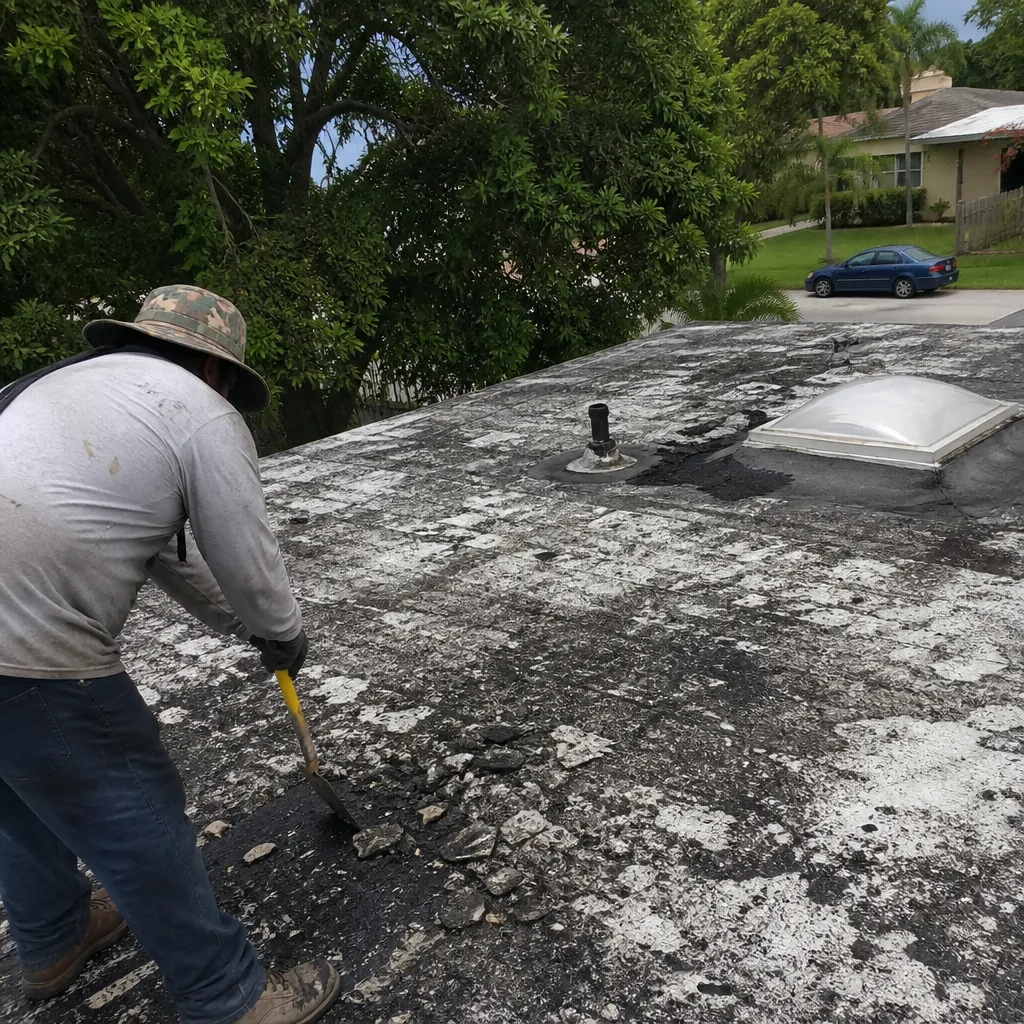 Before
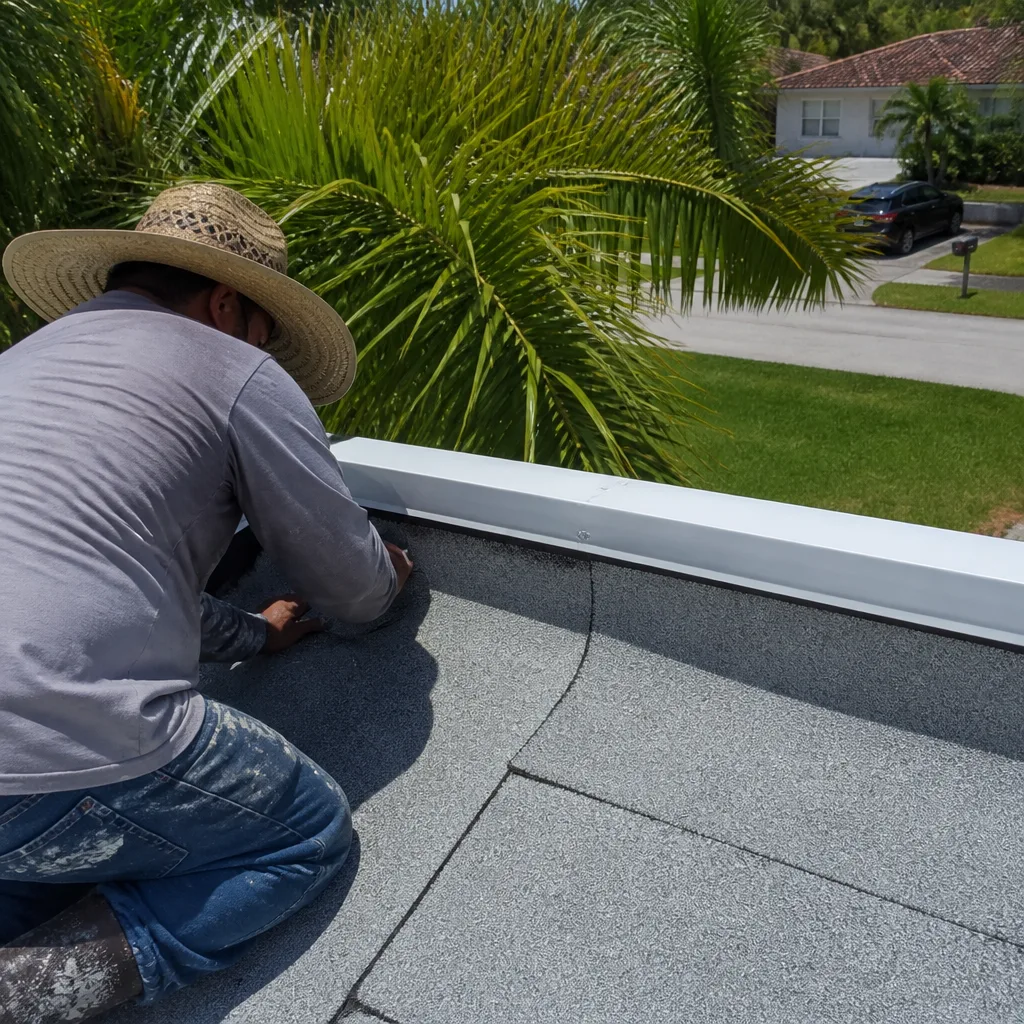 After
After Before
 After
After Before
 After
After