
Last updated October 17, 2026
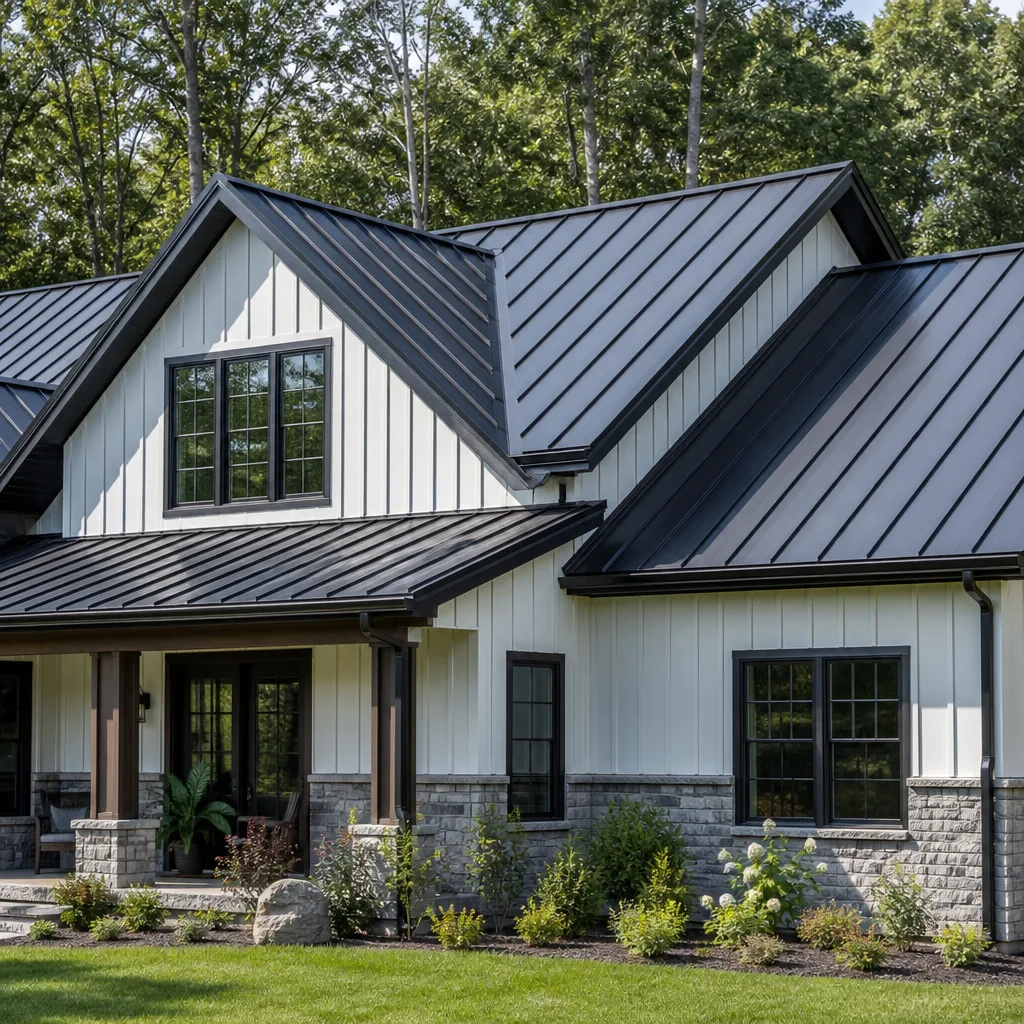 Metal roofing
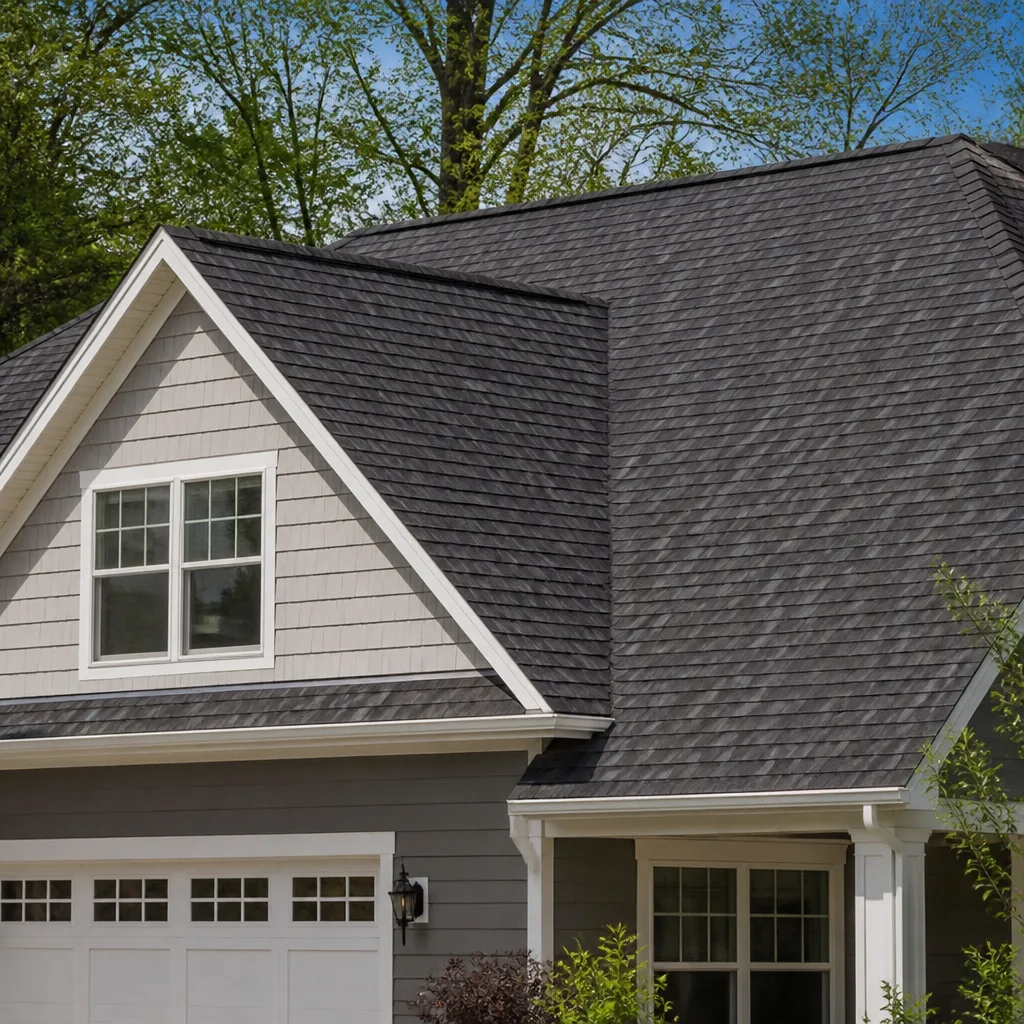 Architectural shingles
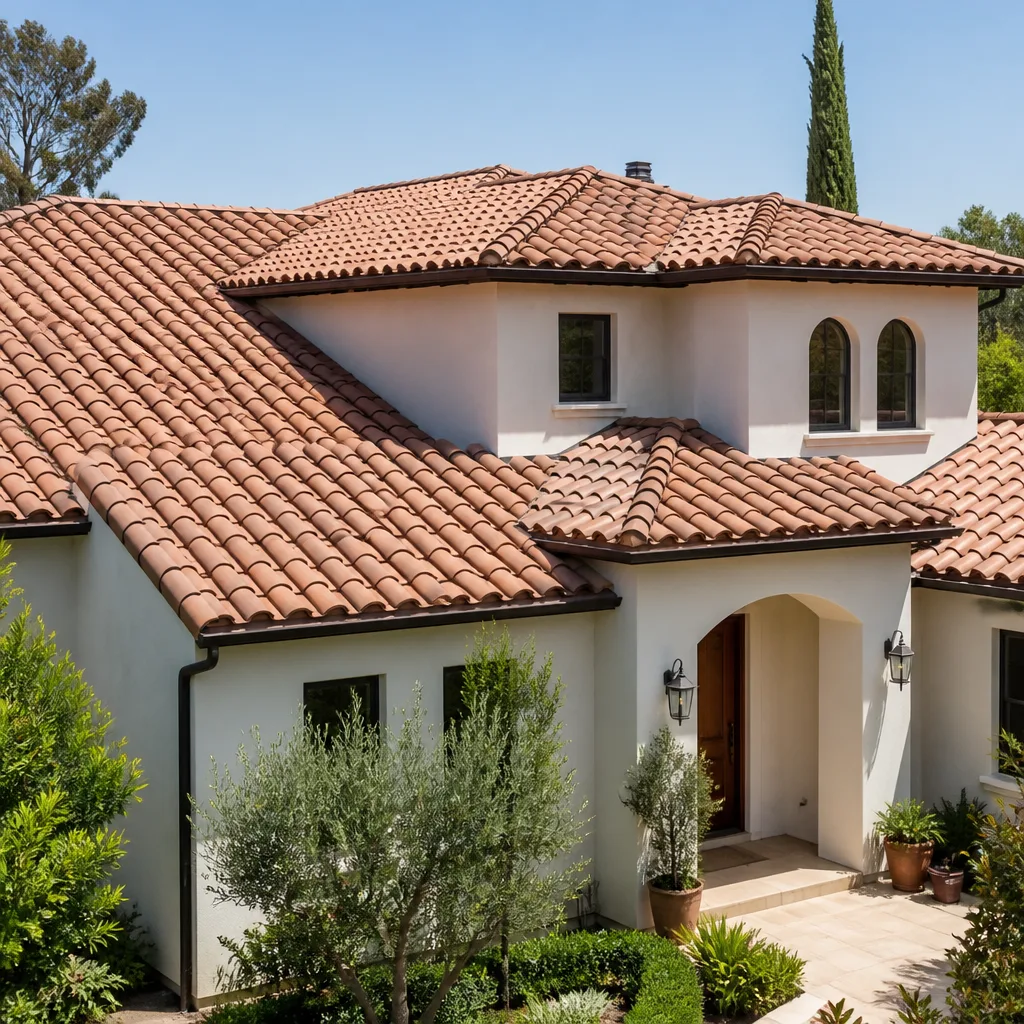 Tile roofing
 GAF
GAF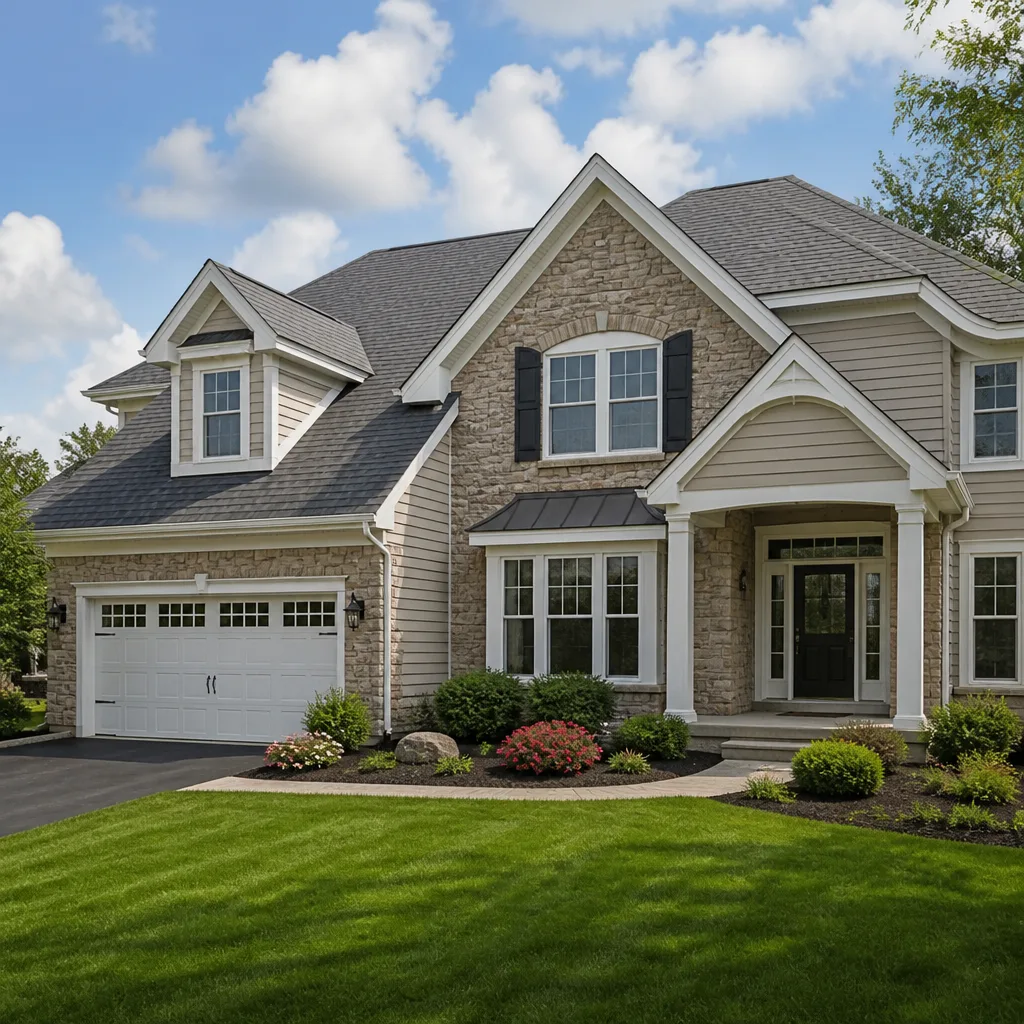 Owens Corning
 Flat & low-slope
Free roof inspection with deck photos before we talk money - GAF and Owens Corning certified installation
The Complete Guide to Roofing in Miami
Miami-Dade County has the strictest residential roofing code in the continental U.S., and most homeowners don’t find that out until an inspector fails their job mid-installation. That one fact reshapes everything about how you should approach a roof in Miami, whether you’re repairing a leak in Shenandoah or replacing a full system in Coconut Grove. This guide walks through the regulatory stack, the material choices that actually hold up to Miami’s rain and UV load, and how to read a bid so you don’t get surprised halfway through the job. For more guides & resources, see our blog. By the end, you’ll know more about Miami roofing than most sales reps who knock on your door.
Quick Answer
Roofing in Miami means navigating Miami-Dade’s High-Velocity Hurricane Zone (HVHZ) code, choosing materials from a county-approved list, and completing permit, inspection, and installation steps in the correct order. A standard architectural shingle roof replacement in Miami typically runs $8,500 to $16,000 for a 1,500-square-foot roof, while concrete tile runs $18,000 to $35,000. The cheapest bid usually costs more by the end, because the expensive part is fixing what gets missed before the final inspection.
Styles & brands we work with
Table of Contents
- Why the Miami-Dade HVHZ Code Controls Everything
- How Insurance Should Shape Your Material Choice Before Aesthetics Do
- The Correct Sequence: Permit, Inspection, Installation, Final Inspection
- Flat vs. Low-Slope vs. Pitched Roofs in Miami’s Climate
- How to Read a Roofing Bid Line by Line
- Materials That Survive Miami: Shingle and Tile Options Explained
- What Miami Roofing Really Costs in 2025
- What a Transparent Roofing Process Looks Like
Why the Miami-Dade HVHZ Code Controls Everything
Miami-Dade sits inside the High-Velocity Hurricane Zone, a designation that covers most of the county’s eastern half and dictates which materials, fasteners, and installation methods are legal. The HVHZ code exists because Hurricane Andrew tore through South Miami-Dade in 1992 and exposed how poorly residential roofs were attached. The county responded with a product approval system that requires manufacturers to test their roofing systems in wind tunnels before they can be sold here.
That means you cannot simply choose any shingle you see in a national catalog. The product must appear on Miami-Dade’s Product Control approval list, and the installation must follow the specific method shown in the approval drawings. A roofer who installs a non-approved product or skips a required fastener pattern has handed you a roof that will fail inspection. If it somehow passes, your insurance carrier can deny a future wind claim because the roof was not code-compliant.
Before signing any contract, ask the roofer for the Miami-Dade Notice of Acceptance (NOA) number for the exact material they’re proposing. If you’re unsure how to vet a contractor, our How to Hire a Roofing Contractor in Miami: A Step-by-Step Guide walks through the process. Then verify it on the county’s Product Control search page. It takes five minutes. In our experience, the roofers who hesitate when you ask for an NOA are the ones worth avoiding.
How Insurance Should Shape Your Material Choice Before Aesthetics Do
Most Miami homeowners pick a roof based on how it looks, then discover during renewal season that their insurance premium went up or their carrier dropped them. The smarter order is to check insurance implications first, because in Miami, your roof material is an insurance decision before it’s a design decision.
Florida’s wind-mitigation inspection system awards credits for specific roof features: roof shape, roof deck attachment, roof-to-wall connection, and the roof covering itself. A hip roof with a secondary water barrier and a Miami-Dade-approved covering can cut your wind premium significantly. A flat roof or a gable roof without those features can cost you thousands more per year. The material you choose directly changes the credit calculation.
Citizens Insurance, Florida’s insurer of last resort and a major carrier in Miami, maintains preferred-contractor requirements and specific expectations for repair and replacement documentation. If your roofer can’t provide the photos, permits, and final inspection reports Citizens asks for, your claim or renewal gets harder. That’s one reason Roof Replacement in Miami work should always include before-and-after photo documentation and a digital invoice you can forward to your agent.
The practical takeaway: call your insurance agent before you pick shingles. Ask what your premium looks like with architectural shingles versus concrete tile versus metal. Then choose with the full number in front of you. The most beautiful roof in Miami is the one you can afford to keep insured.
The Correct Sequence: Permit, Inspection, Installation, Final Inspection
The order of operations for Miami roofing is not negotiable, though plenty of contractors try to skip steps. Getting the sequence wrong costs time, money, and sometimes a full tear-off of work already completed. Here is the correct order, explained plainly.
- Permit application first. The roofer files with the city or county building department, depending on your address. The permit package includes the NOA for the materials, the wind-load calculations, and the plans. No materials should touch your roof before the permit is issued.
- In-progress inspections. Miami-Dade requires inspections at specific points: after the old roof is stripped so the inspector can see the deck condition, after the underlayment is installed, and again after the final covering is on. Skipping the mid-installation inspection is the most common cause of failed finals.
- Installation. The crew installs according to the NOA’s fastener schedule and the permit drawings. This is where amateur or under-the-table crews cut corners: fewer nails, wrong nails, missing starter strips, unsealed penetrations. Those shortcuts show up at final inspection or, worse, during the first storm.
- Final inspection and closeout. The inspector signs off only when the installation matches the approved plans. Then the roofer should hand you the permit closure paperwork, the warranty registration, and the receipt for the materials.
We’ve seen homeowners in Kendall lose three weeks because a contractor installed shingles on a roof that had never pulled a permit. The city caught it on a routine aerial review. The fix was a full tear-off and restart, paid for by the homeowner. Roof Installation in Miami should never start with materials, only with the permit.
Flat vs. Low-Slope vs. Pitched Roofs in Miami’s Climate
Miami’s climate punishes roofs in ways national guides don’t cover. We get 60-plus inches of rain a year, often in short violent bursts, plus UV that bakes surfaces at 90 degrees for half the year. The slope of your roof changes how it handles that rain and sun, and the maintenance expectations are different for each.
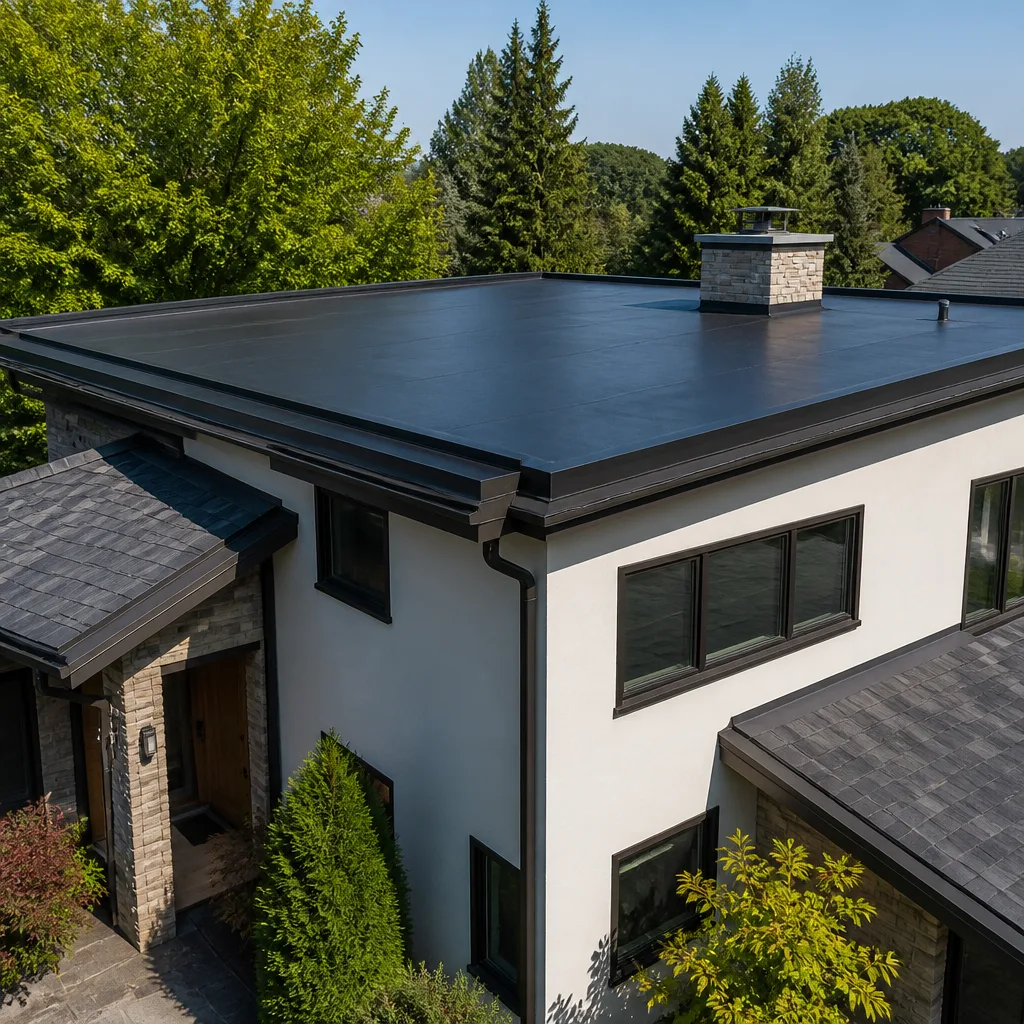
Flat roofs are common on mid-century homes and commercial buildings in Miami. They use membrane systems like modified bitumen or TPO rather than shingles. The challenge here is ponding. A flat roof that doesn’t drain fully after heavy rain creates standing water that degrades the membrane and finds every seam. Miami’s afternoon thunderstorms can drop an inch of rain in 20 minutes, so slope-to-drain design and keeping scuppers clear matters more than the material itself. Flat roof repairs in Miami should always include a drainage check.
Low-slope roofs (between 2:12 and 4:12 pitch) sit in a tricky zone. Too sloped for membrane, not sloped enough for standard shingle installation without special underlayment. In Miami’s HVHZ, low-slope roofs need a secondary water barrier, self-adhering underlayment, and a specific shingle application pattern. Many roofers don’t stock the correct underlayment and substitute standard felt, which is not code-legal here.
Pitched roofs (4:12 and steeper) shed water fastest and give you the widest material choice, from asphalt shingles to tile to metal. They still need Miami-specific installation details, including ring-shank nails sized for the decking, proper starter strips, and a fully sealed deck. Steep roofs also mean higher labor costs because the crew works on a more dangerous surface.
Before you decide on a material, know what category your roof falls into. Then the conversation about what goes on top makes sense.
How to Read a Roofing Bid Line by Line
Two roofing bids in Miami can look completely different on paper and actually describe the exact same job. One contractor itemizes everything; another lumps it into three lines and gives a bottom number. You can’t compare them until you know what you’re looking at. Here’s how to read a bid.
- Materials line. It should state the manufacturer (GAF, CertainTeed, IKO, Atlas, Tamko, or Boral are all present in Miami), the product line, and the quantity. “Architectural shingle” is not specific enough. Ask for the exact product name and the Miami-Dade NOA.
- Underlayment line. In the HVHZ, this matters more than the shingle. The bid should name the underlayment product, not just “synthetic felt.” Look for a self-adhering modified bitumen underlayment over the entire deck, not just at eaves and valleys.
- Tear-off and disposal line. Make sure it says whether the old roof is fully removed or a second layer is going over the existing one. Miami-Dade generally requires full tear-off to inspect the deck. A bid that says “layover” on a Miami roof is a red flag.
- Deck repair line. You can’t know if decking is rotted until the old roof comes off. A responsible bid includes a per-sheet replacement price for damaged plywood or OSB, stated upfront. The number on the page should be the number on the invoice, but deck repair is the one honest variable in roofing. Ask for the fixed rate per sheet.
- Flashing and accessories. Flashing, the metal strips that seal joints around chimneys, vents, skylights, and walls, is where cheap bids go silent. The bid should name every penetration and say what gets replaced. If it doesn’t mention flashing, assume it’s not included and the roofer plans to reuse old metal.
- Permit and inspection fees. These are fixed costs set by the municipality. A bid that does not list them is either unlicensed or planning to work without a permit. In Miami, that’s a serious problem.
- Warranty line. Separate the manufacturer material warranty from the workmanship warranty. The material warranty comes from the shingle maker. The workmanship warranty comes from the roofer. Ask how long each covers and what happens if a repair fails.
Once you can read a bid this way, comparing two proposals becomes straightforward. And if a roofer won’t give you a written line-item quote before work starts, that is the answer to whether you should hire them.
Materials That Survive Miami: Shingle and Tile Options Explained
Material choice in Miami comes down to three trade-offs: upfront cost, insurance credit, and weight. Here is what actually holds up, from the materials Crestview Roofing Co Miami installs and repairs most often.
Architectural Asphalt Shingles
Architectural shingles from GAF or CertainTeed are the most common Miami roof material for good reason. They’re mid-priced, weigh little enough for most existing structures, and carry Miami-Dade approvals. In Miami’s UV environment, expect 18 to 22 years from architectural shingles. The key is installation: properly sealed, fully adhered starter strips, ring-shank nails, and a complete secondary water barrier.
Concrete and Clay Tile
Tile is the iconic Miami look, especially in Coral Gables and older neighborhoods. Boral, now part of Westlake Royal, makes Miami-Dade-approved concrete and clay tile systems. They last 40 to 50 years, resist UV completely, and earn strong wind-mitigation credits. The trade-off is weight. Tile needs a roof structure verified to handle the load, and the extra labor for installation pushes the cost up. Tile also costs more to repair when individual pieces crack from falling branches or pressure washing gone wrong.
Metal
Standing seam metal is growing in Miami because it earns the highest wind-mitigation credits and sheds water almost instantly. It’s more expensive upfront than shingles, but in Miami’s storm environment, that insurance savings compounds. Metal also reflects more UV than dark shingles, which helps with attic heat. The critical detail is the seams and fasteners; a Miami-approved standing seam system is a very different installation from the corrugated metal on old Florida barns.
Flat Roof Membranes
For true flat roofs, TPO and modified bitumen dominate Miami. TPO reflects UV well and performs in Miami’s heat, while modified bitumen handles ponding better than TPO when the slope is marginal. Both need Miami-Dade-approved installation details at every penetration, because a flat roof is only as good as its seams.
Atlas and Tamko
Atlas and Tamko both manufacture Miami-Dade-approved shingle lines, and they’re solid options when the budget sits between entry-level and premium. The product approval is what matters; the brand name on the bundle is secondary to whether the NOA matches your specific roof geometry.
What Miami Roofing Really Costs in 2025
Miami roofing prices run higher than state averages because of the HVHZ code requirements, the material approvals, and the labor market. Here are working ranges for a 1,500-square-foot roof, based on the bids we review and the jobs we complete in Miami.
| Roof Type | Typical Range (1,500 sq ft) | What Moves the Price |
|---|---|---|
| Architectural shingle replacement | $8,500 – $16,000 | Deck repair, roof pitch, number of penetrations |
| Concrete tile replacement | $18,000 – $35,000 | Structural verification, tile profile, accessibility |
| Standing seam metal | $16,000 – $30,000 | Panel gauge, seam profile, complexity of roof shape |
| Flat roof membrane (TPO or mod bit) | $9,000 – $18,000 | Membrane type, insulation condition, drainage work |
| Shingle repair (small leak) | $350 – $900 | Number of shingles, deck repair beneath, access |
| Tile repair (cracked pieces) | $400 – $1,200 | Number of tiles, matching existing profile |
Deck repair is the most common source of price movement once the old roof comes off, which is why a written per-sheet rate belongs in your bid before you sign. A roof that’s been leaking for months in Doral or Westchester will show deck damage the estimator couldn’t see. Expect it, price it, and there’s no surprise.
Why the cheapest bid costs more in Miami
The low bid in Miami usually wins by leaving things out: no underlayment upgrade, no flashing replacement, no permit fee, no deck repair allowance. Those items reappear as change orders, which is exactly the surprise the low bidder was counting on. If you’re comparing bids, look for the one that lists everything and still gives you a number in writing before the tear-off starts. That is the real price.
What a Transparent Roofing Process Looks Like
Here is the standard we hold ourselves to at Crestview Roofing Co Miami, and the one you should demand from any roofer you invite onto your roof. It’s called The Relay Standard, and it exists because the old way, four-hour arrival windows and a number that changes at the door, wastes your time.
- Written price before any work starts. You get the full line-item number before the crew arrives. If the job needs more work, you approve it in writing first. The number on the page is the number on the invoice.
- Live trackable arrival time. You know who is coming and when they’ll be there, the way you track a rideshare. Each of our technicians is background-checked and uniformed, so the person pulling into your driveway is the person we said would come.
- Before-and-after photo documentation. You get photos of the problem before we touch it and photos of the fix when we’re done. If you need to file an insurance claim, the photos are ready.
- Digital invoice sent by text. No paper, no waiting, no back-and-forth. The invoice arrives the same day the work is done.
- The 365-Day Done Right Promise. Every repair Crestview Roofing Co Miami makes is covered for a full year, in writing, included with every job. If the repair fails within 365 days, we correct it at no charge, including a free second visit.
This is the benchmark. If a contractor can’t tell you who’s coming, when they’ll arrive, what it costs in writing, and what happens if the repair fails, keep looking. You can also see how this plays out on our Roof Repair in Miami page, where every job follows the same documentation trail.
Common Mistakes to Avoid
- Signing a bid that doesn’t list the NOA number. If the material doesn’t have a Miami-Dade Notice of Acceptance, it’s not legal to install in most of Miami. Ask for the number and verify it online before you sign anything.
- Letting a roofer start without a permit. In Miami, a no-permit roof can be caught on aerial review, fail an insurance claim, and block a home sale. The permit is the first step, not an optional line item.
- Choosing a roof for looks before checking insurance credits. The shingle that looks best on Pinterest might cost you $2,000 more per year in wind premium. Call your agent first.
- Ignoring the underlayment line. In Miami’s HVHZ, the underlayment matters more than the shingle for waterproofing. A bid that says “synthetic underlayment included” without naming the product is incomplete.
- Accepting a layover on an old roof. Miami-Dade’s inspection process needs to see the deck. If a roofer offers to shingle over your existing roof, they’re offering to skip the inspection that would have caught the rotten deck.
- Reusing old flashing. Flashing is the metal strips that seal joints around chimneys and vents. Reusing it on a new roof in Miami’s rain climate is asking for a leak at every penetration.
- Hiring a roofer who won’t give a written line-item quote. The verbal number is not a quote. If it’s not in writing before work starts, it doesn’t exist.
See the difference
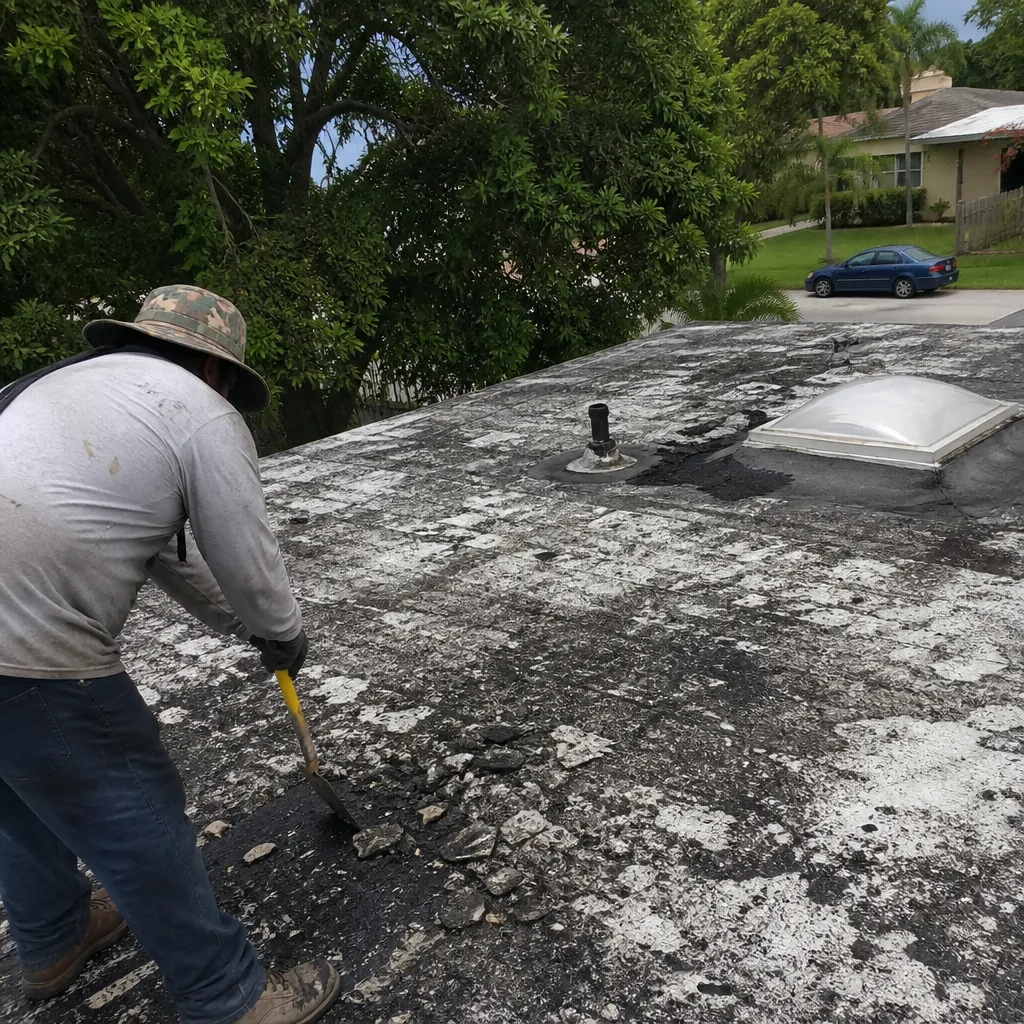 Before
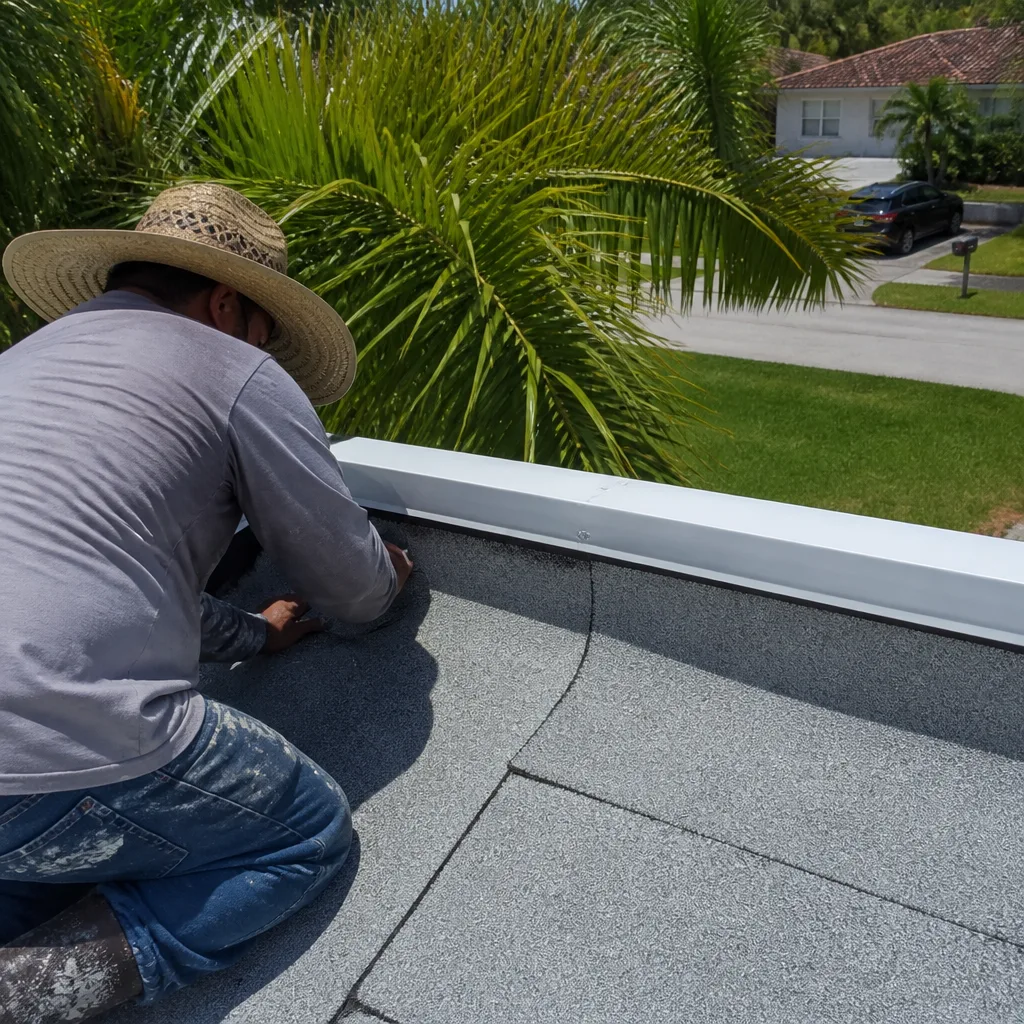 After
After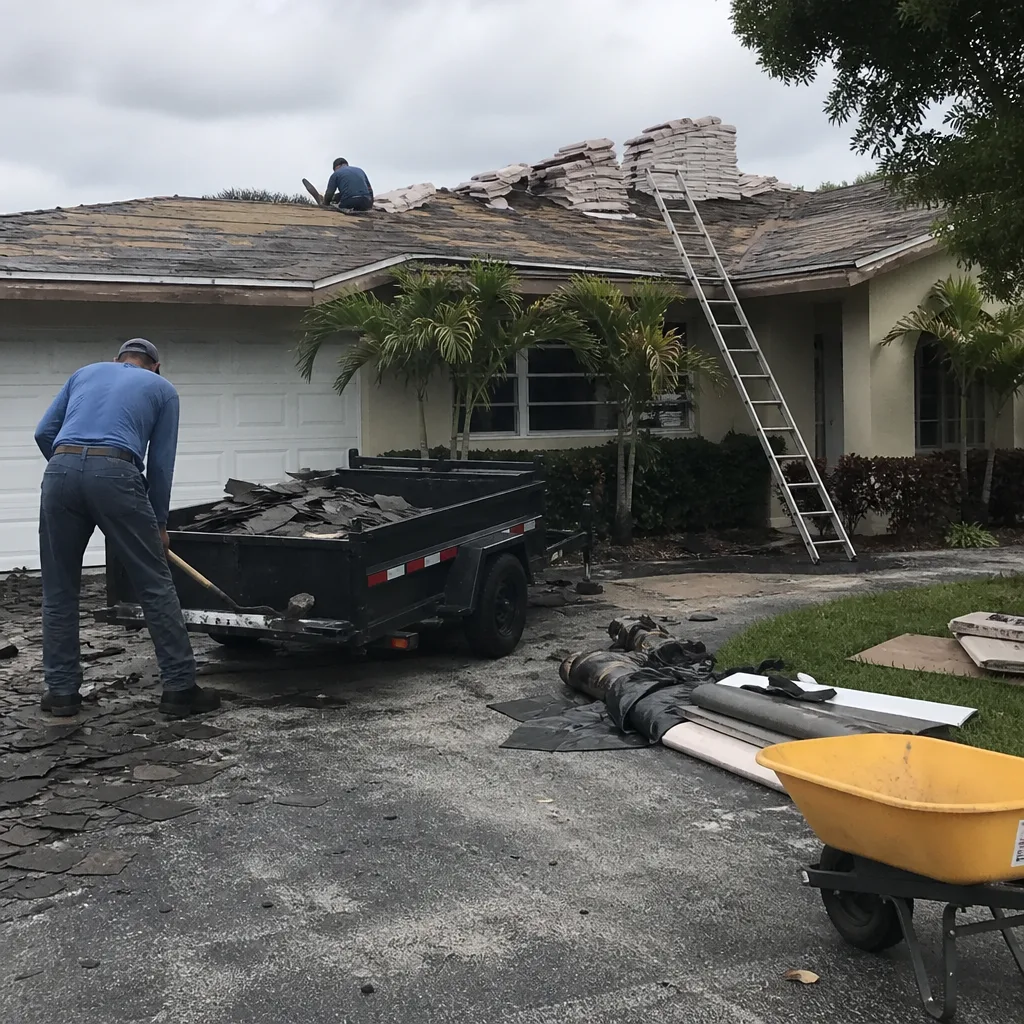 Before
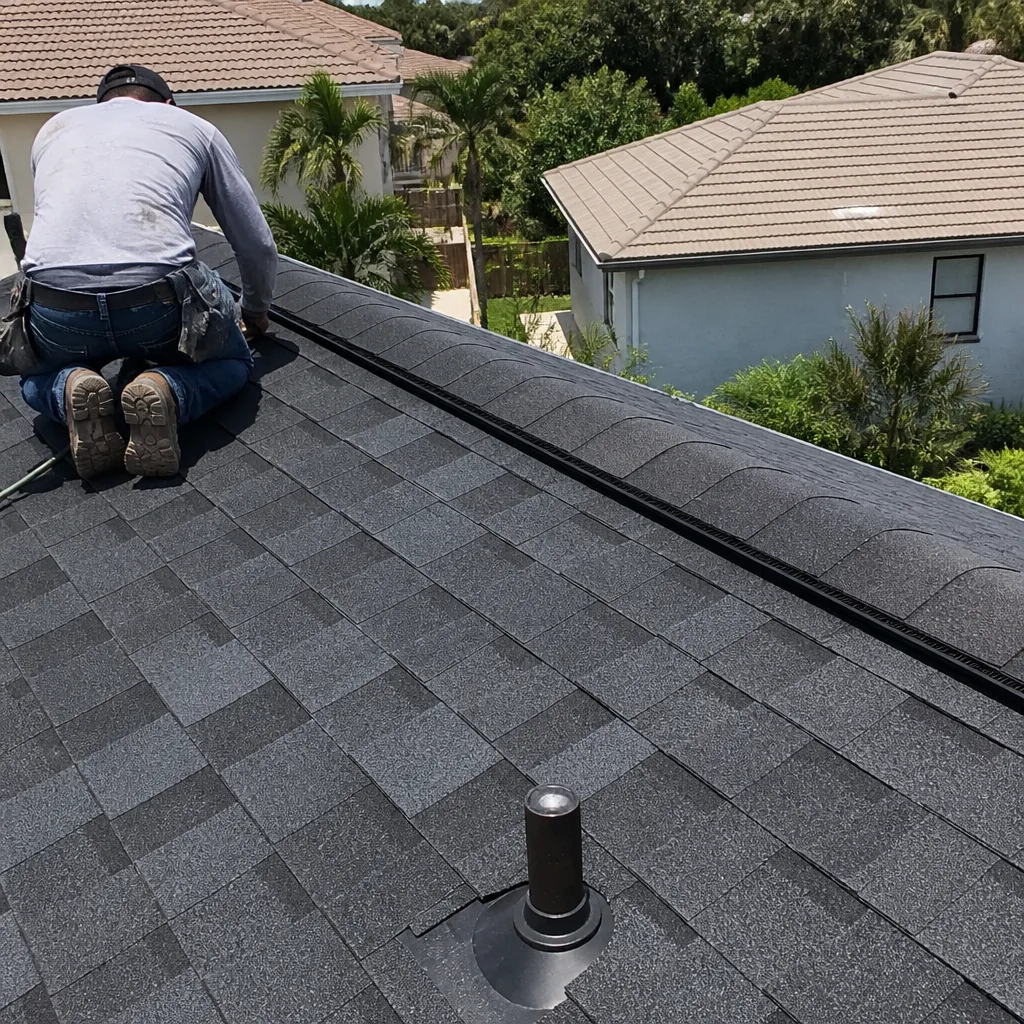 After
After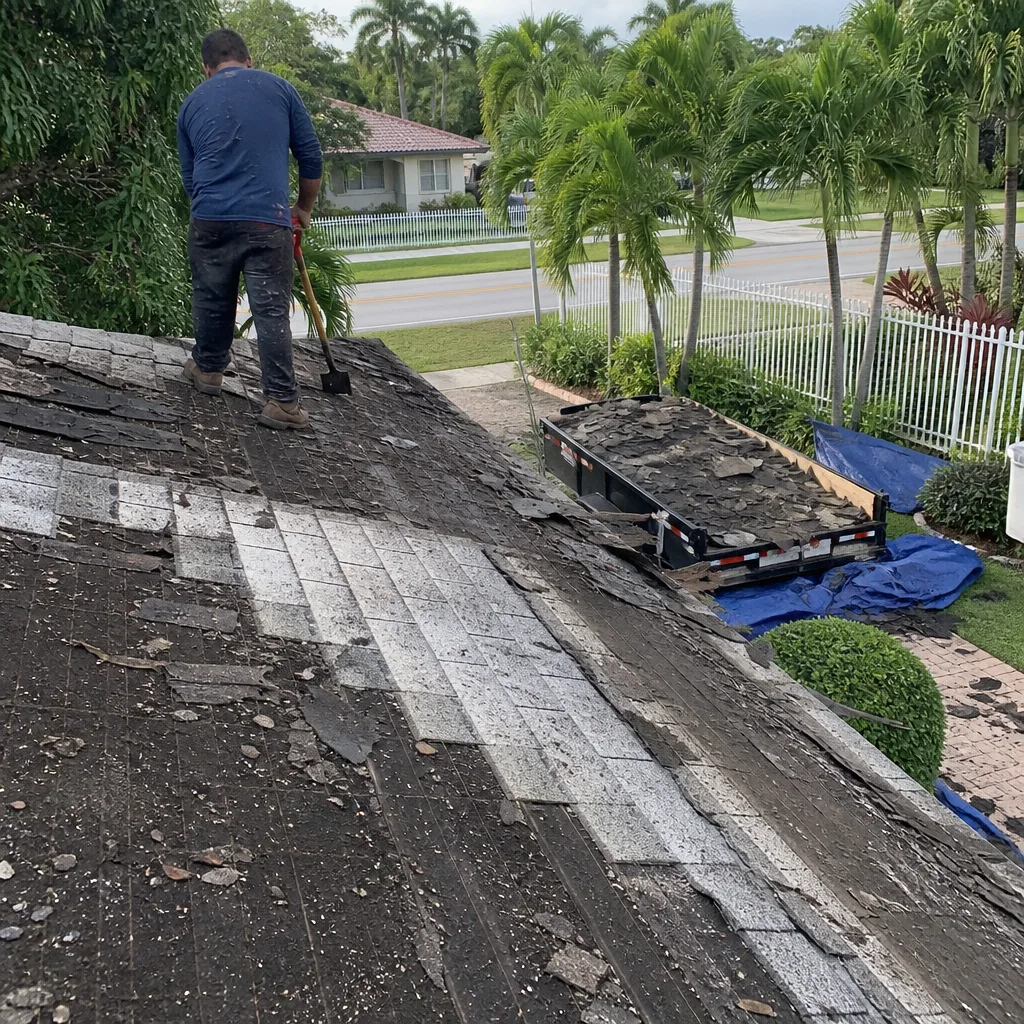 Before
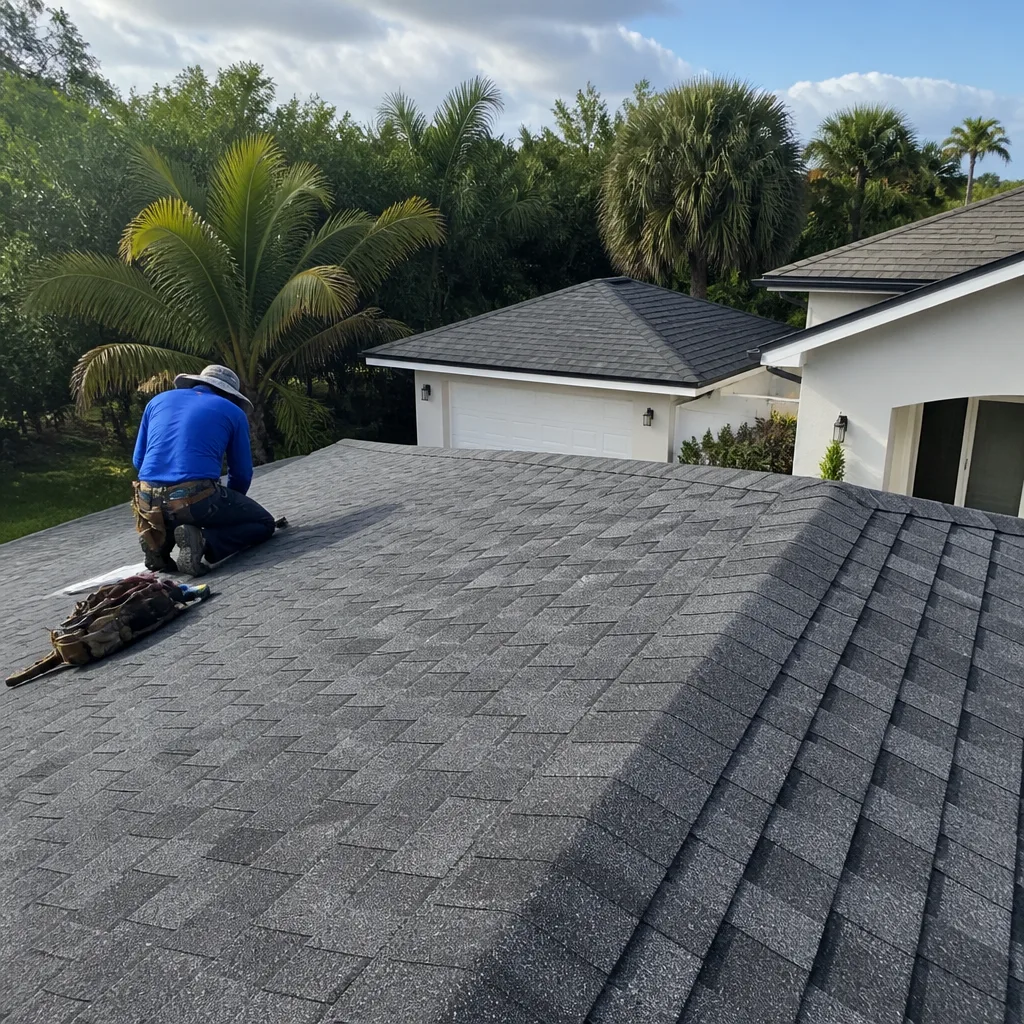 After
AfterWhen to Call a Professional
Call a roofer when you see water stains on the ceiling, missing or cracked shingles after a storm, granules collecting in gutters, or daylight coming through the attic boards. Those are signs the roof has already been compromised. Also call before you list your home in Miami, because a roof more than 15 years old will come up in the buyer’s inspection, and a pre-listing repair is cheaper than a closing-table credit. For flat roofs, call at the first sign of ponding water that sits for more than 48 hours after rain. Crestview Roofing Co Miami offers free estimates in Miami – call (850) 318-3769, and a live person answers, day or night.
Frequently Asked Questions
A new architectural shingle roof on a 1,500-square-foot Miami home typically costs $8,500 to $16,000, with concrete tile at $18,000 to $35,000 and standing seam metal at $16,000 to $30,000. The Miami-Dade HVHZ code drives materials and labor higher than state averages. Call (850) 318-3769 for an exact quote – estimates are free.
The Miami-Dade roofing code is the High-Velocity Hurricane Zone standard that requires all roofing materials to carry a Miami-Dade Notice of Acceptance and be installed according to approved fastener schedules and underlayment specifications. It applies to most of Miami-Dade County and is stricter than the Florida Building Code used elsewhere in the state.
Concrete tile and standing seam metal earn the highest wind-mitigation insurance credits and last longest in Miami’s UV environment, while architectural shingles from GAF or CertainTeed offer the best balance of upfront cost and code compliance. The best material is the one you can verify on the Miami-Dade product approval list and afford to keep insured for its full lifespan.
Yes, every roof replacement in Miami requires a permit from the city or county, plus in-progress inspections and a final sign-off. Installing without a permit can fail an insurance claim and create problems when you sell the house. Any roofer who suggests skipping the permit is not a roofer you should hire.
A standard shingle replacement on a Miami home takes three to five working days from tear-off to final inspection, depending on deck repair needs and inspection scheduling. Tile and metal roofs run longer. Weather delays are common in Miami’s rainy season, so a good roofer builds that into the schedule up front.
Look for two warranties: the manufacturer’s material warranty, which comes from the shingle maker and can run 20 to 50 years depending on the product, and the roofer’s workmanship warranty, which covers installation defects. Ask what happens if a repair fails and whether the second visit is free. At Crestview Roofing Co Miami, every repair is covered for 365 days, in writing, with a free second visit if it fails.
Often yes, but the amount depends on the roof shape, the deck attachment, and the covering material, all of which a wind-mitigation inspection measures. A hip roof with a Miami-Dade-approved secondary water barrier and tile or metal covering typically earns the largest credits. Confirm the expected premium change with your agent before choosing materials, not after installation.
The Bottom Line
Roofing in Miami is a code, insurance, and permitting decision before it’s an aesthetic one. The Miami-Dade HVHZ approval list controls what you can install, the wind-mitigation credits control what you should install, and the permit-to-inspection sequence controls how it gets installed. Read every bid line by line, verify every NOA number, and refuse any roofer who won’t give a written price before work starts. If you want a roofer who documents everything, answers the phone at 3 a.m., and backs every repair for a full year, start with a free estimate from Crestview Roofing Co Miami home.
Written by Dylan Pace, Owner at Crestview Roofing Co Miami, serving Miami since 2000.