
Last updated October 17, 2026
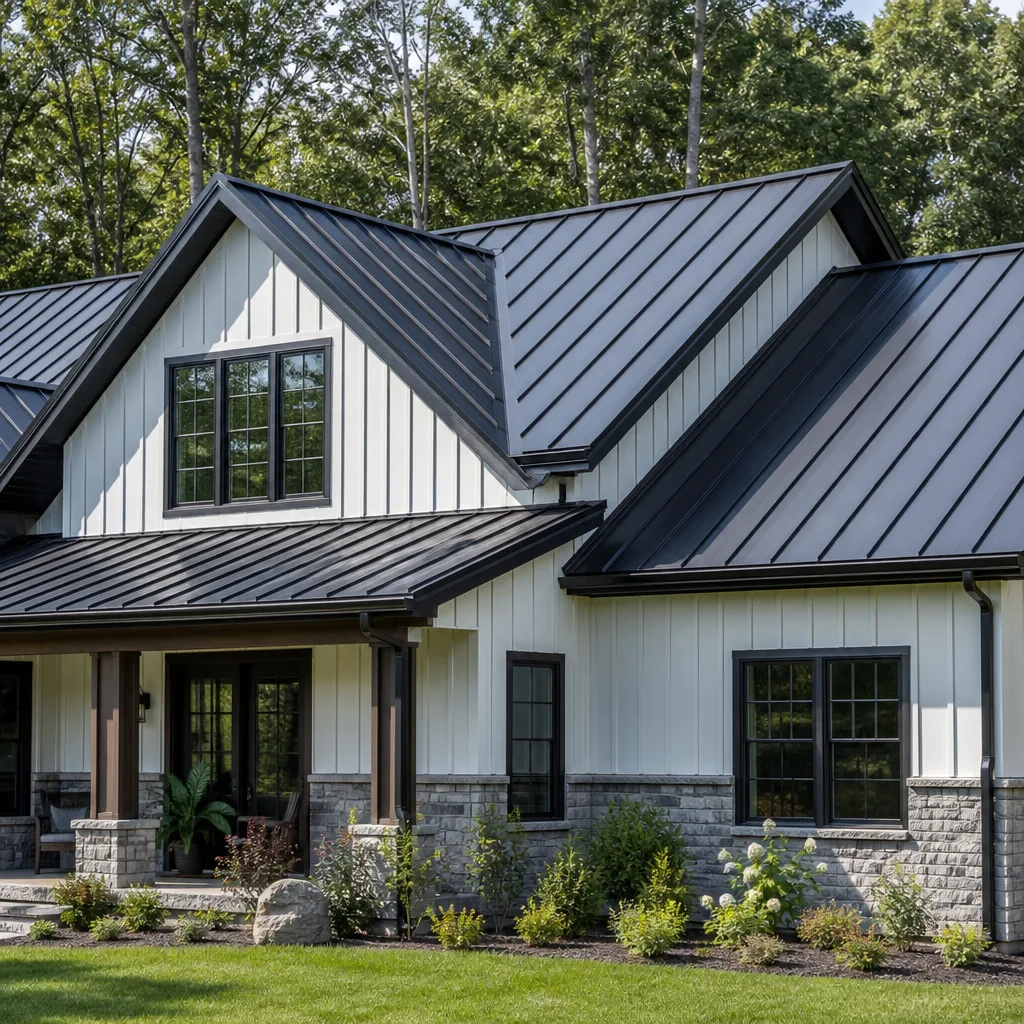 Metal roofing
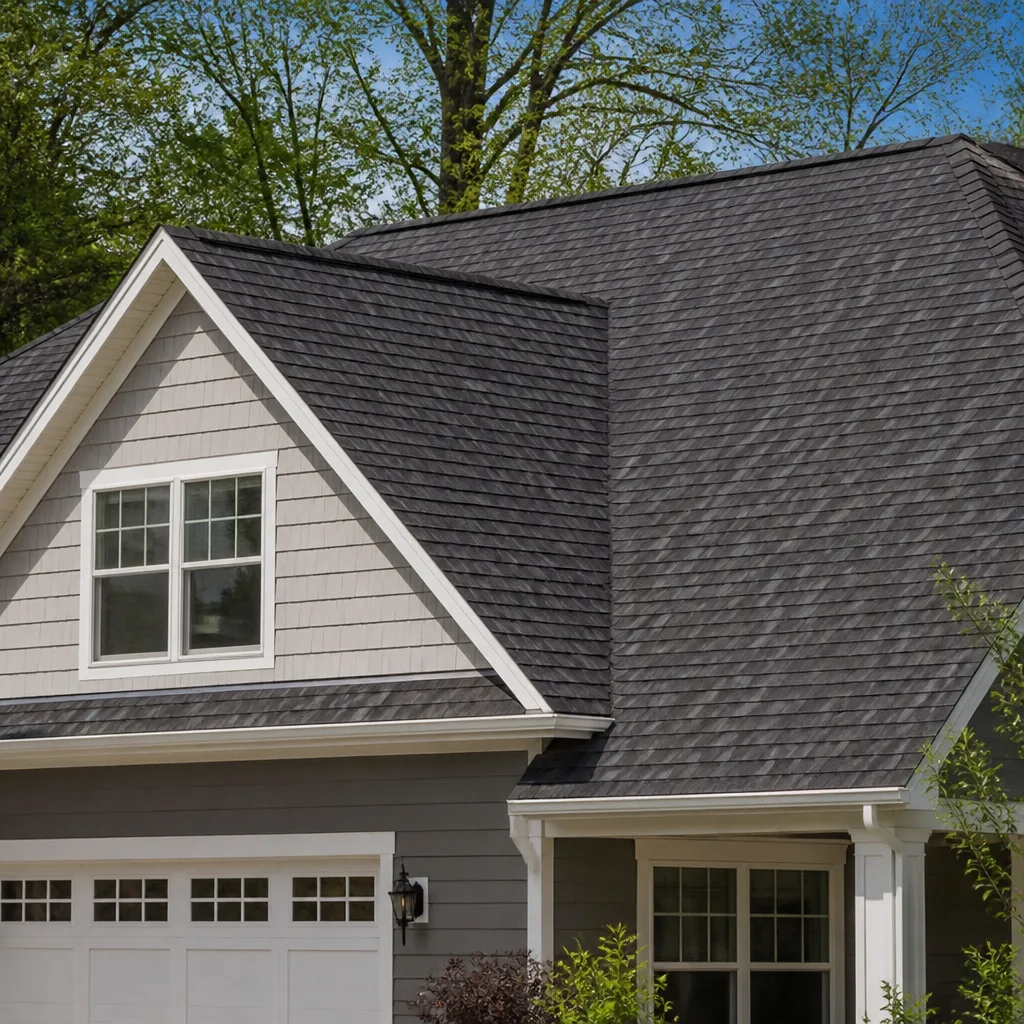 Architectural shingles
 Tile roofing
 GAF
GAF Owens Corning
 Flat & low-slope
Free roof inspection with deck photos before we talk money - GAF and Owens Corning certified installation
Roofing Permits, Codes & Inspections in FL: What You Need to Know
Florida issues more roofing permits per capita than any state in the country, and Miami-Dade County layers an additional approval process on top of the state requirements that exists almost nowhere else in America. A roof that was replaced without the right permit can quietly sit for years and then detonate a real estate closing, because title companies and insurers now routinely check permit history against aerial imagery of your roof. Our Complete Guide to Roofing in Miami walks through the full sequence: when a permit is actually required, what the Florida Building Code and Miami-Dade Product Control approvals each demand, how inspections work, what a wind mitigation report does to your insurance bill, and what to do if you discover an unpermitted roof on a house you already own.
Styles & brands we work with
Quick Answer
Any full roof replacement in Florida requires a building permit, and in Miami-Dade the roofing materials themselves must carry an additional county-level Product Control approval on top of the Florida Building Code. The permit triggers a sequence of inspections, and once the roof passes final inspection your contractor should deliver a wind mitigation report that can lower your windstorm insurance premium. Skipping the permit saves a few hundred dollars now and can make the house uninsurable or unsellable later-something we cover in our Roofing Warning Signs: A Miami Homeowner’s Reference Guide.
Table of Contents
- Miami-Dade’s Two-Layer Permit System
- Which Roofing Jobs Trigger a Permit in Miami
- The Permit Sequence, Step by Step
- The Wind Mitigation Inspection and Your Insurance
- Bought a House with an Unpermitted Roof? Here’s the Path
- How to Track Your Permit in Miami-Dade’s Portal
- Common Mistakes to Avoid
- When to Call a Professional
- Frequently Asked Questions
- The Bottom Line
Miami-Dade’s Two-Layer Permit System
Most Florida counties run on a single code: the Florida Building Code, now in its 8th edition (2023), with roof-specific provisions in Chapter 15. Miami-Dade is different. The county maintains its own product approval system, the Miami-Dade Product Control Approval, which is a separate testing and certification program for building materials and systems. A shingle or underlayment that passes the Florida Building Code does not automatically pass Miami-Dade Product Control. The county’s coastal wind speeds, driven by hurricane exposure, require materials to demonstrate performance at higher pressures than the state minimum.
We explain it to Miami homeowners this way: the Florida Building Code is the floor, and Miami-Dade Product Control is the ceiling. A contractor who quotes a product that only meets the state code is selling you a roof that the county inspector will flag, because Miami-Dade requires a Notice of Acceptance (NOA) number on the permit application for the specific roofing products being installed. If the product has no NOA, the permit gets rejected before the job even starts. This is the most common reason roof permits stall in Miami, and it’s one we see across the city, from Kendall to Cutler Bay to the Upper East Side.
Manufacturers know this and get their products approved accordingly. Brands like GAF, CertainTeed, and Owens Corning maintain current Miami-Dade NOAs for most of their Florida-focused product lines, because the Miami market is too large to ignore. When you’re comparing quotes in Miami, ask each contractor for the NOA number of the specific shingle and underlayment they plan to install. If they hesitate, that’s your signal to keep looking. A legitimate Miami roofer hands over NOA numbers without being asked twice.
The second layer applies to the permit itself. In Miami-Dade, roof permits are issued by the county’s Department of Regulatory and Economic Resources (RER), not by a city-level building department in most municipalities within the county. Some cities, including Miami Beach and Coral Gables, have their own building departments that review and issue permits using Miami-Dade’s standards, but the NOA requirement applies everywhere in the county. That means you’re always navigating at least two layers of review: the product approval and the permit review itself.
Which Roofing Jobs Trigger a Permit in Miami
Section 105.1 of the Florida Building Code says a building permit is required for “any work in any building involving the structural elements” of a roof. That sounds broad, and in practice it covers almost everything a homeowner thinks of as a real roofing project. But there are genuine carve-outs, and knowing the difference saves you from either over-paying for a permit you don’t need or, far worse, skipping one you do.
Work that REQUIRES a permit in Miami-Dade:
- Full roof replacement. Removing the old roof down to the deck and installing new roofing. This always requires a permit, no exceptions.
- Decking replacement or repair. If the plywood or OSB deck (the wood layer under the shingles) needs replacement, that is structural work and triggers a permit.
- Partial replacement beyond a minor repair. The practical threshold in Miami-Dade is roughly any area over 100 square feet or any repair that changes the roof’s structural load path.
- Changing the roof covering type. For example, switching from tile to shingle or from flat roof to pitched. This alters the structural load and always requires a permit.
- Installing or replacing roof insulation above the deck. This is part of the roofing assembly and is included in the permit scope.
Work that generally does NOT require a permit:
- Minor repairs under 100 square feet that do not involve structural work. Patching a few missing shingles after a wind event typically falls here.
- Replacing individual tiles or shingles on a like-for-like basis where the underlayment stays intact.
- Clearing debris from valleys, gutters, or drains. This is maintenance, not construction.
- Recaulking or resealing flashing around vents and pipes where no underlying material is removed.
One nuance that catches Miami homeowners: the size threshold is not in the Florida Building Code as a hard number. Building officials apply it as a judgment call, and Miami-Dade inspectors tend to interpret “minor repair” conservatively. If in doubt, call the county RER permit office or ask a licensed roofer to confirm before work starts. The cost of a permit is small compared to the cost of a stop-work order and reinspection fees.
The Permit Sequence, Step by Step
Here is the actual sequence a roofing permit follows in Miami-Dade, from signed contract to final approval. We’ve simplified the county’s internal milestones into plain English, because the portal uses terms like “Plan Review Complete” and “Ready to Issue” that don’t tell you what happens next.
- Contract and product selection. The contractor prepares a scope of work and selects the specific roofing products (shingle type, underlayment, fasteners, attachment method). Each product’s NOA number gets documented here.
- Permit application submission. The contractor or homeowner submits the application through Miami-Dade’s online portal, attaching the NOA product approvals, roof plan, and property information. The application fee is paid at submission.
- Plan review. A county reviewer checks the application against the Florida Building Code and Miami-Dade’s product approval database. This typically takes 5 – 15 business days for a standard roof replacement in Miami, longer during hurricane-season peaks.
- Permit issuance. The permit is issued and posted on the property. Work can begin only after this step. Starting before issuance is how you get a stop-work order.
- In-progress inspections. For most Miami roof replacements, there are two inspections: a dry-in inspection (underlayment and flashing installed, shingles not yet applied) and a final inspection (all work complete). The sequencing depends on the roof’s complexity.
- Final inspection and approval. The county inspector walks the roof and confirms the installed products match the permitted NOA numbers and the work meets code. Approval is recorded electronically in the permit system.
- Wind mitigation report. Once the roof passes final inspection, a licensed inspector or certified contractor completes a wind mitigation form (Form 1802 in Florida) documenting the roof’s construction details. This gets submitted to your insurance carrier.
The permit itself is attached to the property, not the contractor. That means if you sell the house, the new owner’s title search sees the permit history. It also means if you fire a contractor mid-job, the permit remains with you. Never let a contractor talk you into pulling a permit in your name if you’re not doing the work yourself; the person named on the permit is the one accountable if something goes wrong.
The Wind Mitigation Inspection and Your Insurance
A wind mitigation inspection is a separate process from the building permit, but in Miami the two run on parallel tracks and feed into each other, as explained in our Seasonal Roofing Care for Miami: Year-Round Homeowner’s Guide. The inspection documents seven specific construction features of your home: roof deck attachment, roof-to-wall connection, roof covering type, roof shape, secondary water resistance, opening protection, and the year the home was built. Each feature is scored, and the scores translate directly into premium credits on the windstorm portion of your insurance policy.
Timing matters. The whole point of the wind mitigation report is to prove to your insurer that your new roof resists wind better than the old one. If you wait six months to file the report, you’re paying six months of higher premiums for a roof that already qualifies for credits. The standard flow in Miami is: final inspection passes, the wind mitigation inspection is performed within days, and the report is submitted to the insurance carrier within 30 – 60 days of job completion. Some insurers require a fresh inspection conducted by someone on their approved list, so confirm with your agent before scheduling.
What gets documented matters more than the fact that a report exists. The inspector records the nail pattern on the roof deck (how far apart the nails are spaced), whether the roof-to-wall connection uses hurricane clips or straps, and whether a secondary water barrier (a peel-and-stick underlayment) was installed under the shingles. Homes with a secondary water barrier get a meaningful credit in Miami-Dade because it prevents water intrusion even when shingles blow off. If your roofer is replacing the roof, this is the moment to ensure that secondary barrier is in the scope of work; it’s far cheaper to install during a replacement than to retrofit later.
One point we make to every Miami homeowner: the wind mitigation inspection is not optional if you want insurance savings. Florida law requires insurers to offer discounts for qualifying features, but the insurer can’t apply discounts without a completed form. A new roof alone does not automatically trigger a premium reduction. The form is the trigger.
Bought a House with an Unpermitted Roof? Here’s the Path
This happens more often in Miami than anyone wants to admit. A previous owner replaced the roof years ago without pulling a permit, and the unpermitted roof surfaces during a closing, an insurance renewal, or a claim. The discovery is usually made two ways: a title company’s municipal lien search flags the property for an unpermitted improvement, or an insurer compares the roof’s apparent age from aerial imagery against the property’s permit history and refuses to bind coverage.
The fix is not as bad as the worst-case scenarios suggest, but it’s not free, and it can’t be done overnight. Here’s the path:
- Confirm the roof is actually unpermitted. Search the Miami-Dade permit portal by property address and look for any roofing permit in the property’s history. If a permit exists but was never closed, the problem is an open permit, not an unpermitted roof, and the path is simpler: get the inspections scheduled and close the permit.
- If truly unpermitted, stop and assess the roof’s condition. An unpermitted roof is not necessarily a failing roof, but it was installed outside the county’s inspection system, so its quality is unverified. Hire a licensed roofer to inspect it and document its condition in writing.
- File for a “Permit After the Fact” through Miami-Dade RER. The county processes after-the-fact permits for work that was completed without a permit. You’ll pay the standard permit fee plus a penalty, typically double the original fee. The roof must be brought into compliance with current code at the time of the application, not the code that was in effect when it was installed. This is the part that can get expensive.
- Pass the inspections. The county may require partial disassembly to verify underlayment, attachment methods, and deck condition. This is done selectively, not by tearing off the whole roof. Once verified, the roof gets a retroactive approval.
- Submit the wind mitigation report. After the permit closes, complete the wind mitigation inspection and file it with your insurer. This is also the moment to notify title companies or buyers if you’re in the middle of a sale.
Total cost on this path in Miami typically runs $1,500 – $4,000 depending on the roof’s size, condition, and how much verification the county requires. That’s more than the original permit would have cost, but far less than a full re-roof, and it resolves the title and insurance issues cleanly.
Our Roof Repair in Miami page walks through inspection and repair options if the after-the-fact path reveals actual damage.
How to Track Your Permit in Miami-Dade’s Portal
You don’t need to be the contractor to track a permit. Miami-Dade’s online permit system lets homeowners see exactly where a permit is in the process, and checking it costs you nothing but a few minutes. Go to the Miami-Dade County Building Permits page, search by property address or permit number, and you’ll see the current status.
Here’s what each major status means in plain English:
- Application Submitted. The county has received the application but has not assigned a reviewer yet. Nothing is wrong; it’s in the queue.
- Plan Review in Progress. A reviewer is actively checking the application, product approvals, and scope of work against code. This stage can take one to three weeks.
- Corrections Requested. The reviewer found an issue and sent it back to the applicant. The contractor must fix the submission and resubmit. This is the most common stall point in Miami, frequently caused by a missing or expired NOA number.
- Ready to Issue. The review passed and the permit is awaiting payment and issuance. Work cannot start yet.
- Issued. The permit is active and work may legally begin. This is the green light.
- Inspection Scheduled. An inspection is on the books with a date. The inspector will arrive within the scheduled window.
- Inspection Passed / Failed. The inspector recorded the result. A fail includes written notes explaining exactly what must be corrected.
- Final Inspection Approved. The roof passed final inspection and the permit is complete. The permit record will update to show a closed status, and this is what title companies and insurers see.
Tracking the permit yourself is not about distrusting your contractor. It’s about visibility. In Miami, where the process has multiple layers and hurricane-season backlogs are real, knowing the status prevents a botched timeline from becoming a botched sale.
Common Mistakes to Avoid
- Accepting a contractor’s word that “we don’t need a permit for this.” If the job involves a full replacement or structural work, you need one, period. A contractor who says otherwise is either misinformed or trying to avoid the inspection.
- Choosing materials without checking Miami-Dade NOA status. A shingle that’s approved in Orlando may not be approved in Miami. Confirm every product’s NOA number before signing the contract, or the permit application will stall.
- Letting the contractor start work before the permit is issued. Starting early is a code violation and can trigger a stop-work order, which adds costs, delays, and a public record of noncompliance to the property.
- Skipping the wind mitigation inspection after the roof passes final. No wind mitigation form means no insurance discount, no matter how good the roof is. This is the most common missed step in Miami and it costs homeowners real money every year.
- Not verifying the installed products match the permit. A contractor who lists one shingle on the permit and installs another is creating a mismatch that will fail inspection or leave you with an unpermitted roof even though a permit was pulled.
- Ignoring an open permit from a previous owner. Open permits show up at title searches and insurance underwriting and can stop a sale. Search the Miami-Dade portal when you list or buy, and close any open permits before they become a closing problem.
When to Call a Professional
You don’t need to become a permit expert to get a roof replaced. You need a roofer who is. The right contractor pulls the permit, manages the NOA product approvals, schedules the inspections, and hands you the closed permit and wind mitigation report at the end. If you’re comparing quotes in Miami, ask each company to walk through their permit process in writing before you sign.
At Crestview Roofing Co Miami home, we handle the full sequence from permit application through final inspection and wind mitigation filing. If you’re planning a Roof Installation in Miami or considering a Roof Replacement in Miami, call us at (850) 318-3769 for a free estimate. You’ll get a written price before any work starts, and we’ll map out the permit timeline specific to your property and scope.
Frequently Asked Questions
A standard roof replacement permit in Miami-Dade typically runs $400 – $800 depending on the roof’s square footage and project valuation, plus any plan review fees. The exact cost is calculated from the permit valuation, so a larger or more complex roof pushes the fee toward the higher end. Call (850) 318-3769 and we’ll give you a line-item permit cost as part of your estimate.
No, a minor shingle repair under roughly 100 square feet that doesn’t touch the underlayment or deck typically does not require a permit. If the repair grows into replacing the underlayment or decking, the scope changes and a permit is required.
In normal conditions, plan review takes 5 – 15 business days, and once the permit is issued, the roofing work and inspections for a standard replacement take 1 – 3 weeks. Hurricane-season backlogs and Correction Requests can extend the review phase by another week or two. The full timeline from application to final inspection is usually 4 – 8 weeks.
You can, but the title search will likely flag the unpermitted work and the buyer’s lender or insurer may refuse to close until it’s resolved. The fix is a permit after the fact through Miami-Dade RER, which involves an inspection and potentially bringing the roof up to current code. This typically costs $1,500 – $4,000.
An NOA is a Notice of Acceptance from Miami-Dade County certifying that a specific roofing product passed the county’s wind and water testing for use in the county. Miami-Dade requires an NOA number for every roofing product on the permit application, and products without one will be rejected during plan review.
No. The premium reduction comes from the wind mitigation inspection report, not from the roof replacement itself. After final inspection, a licensed inspector must complete Florida Form 1802 and submit it to your insurer to unlock the discounts your new roof qualifies for.
The Bottom Line
The Florida roofing permit process is layered, and Miami-Dade adds a second tier that doesn’t exist anywhere else in the state. The permit is not red tape; it’s the record that protects your home’s insurability and your ability to sell it. Handle the permit correctly and the roof is protected by an inspection trail, a wind mitigation report, and a clean title record. Skip it and you’re paying twice later: once for the after-the-fact permit and again in lost time. If you’re planning a roof project in Miami, get the permit sequence in writing, verify the NOA numbers, and track the status until the portal shows Final Inspection Approved. For more guides & resources, visit our blog.
Written by Dylan Pace, Owner at Crestview Roofing Co Miami, serving Miami since 2000.
See the difference
 Before
 After
After Before
 After
After Before
 After
After